
NASA
-

Shining Pismis 24
NASA’s James Webb Space Telescope captured this sparkling scene of star birth in an image released on Sept. 4, 2025. Called Pismis 24, this young star cluster resides in the core of the nearby Lobster Nebula, approximately 5,500 light-years from Earth in the constellation Scorpius. Home to a vibrant stellar nursery and one of the closest sites of massive star birth,…
Read More » -
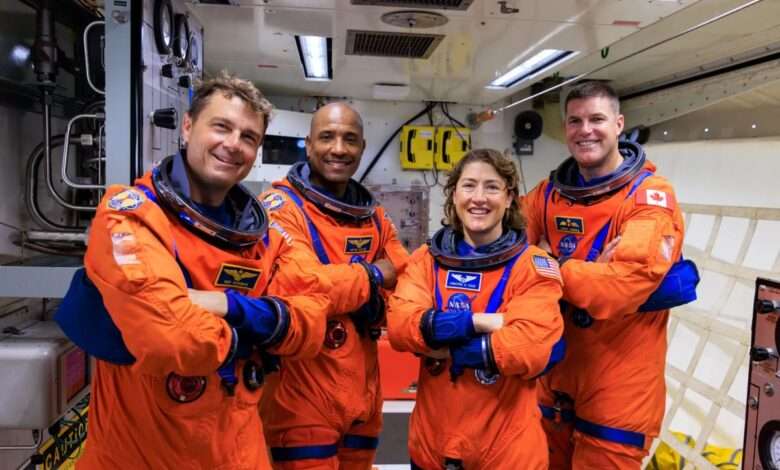
Artemis II Crew Both Subjects and Scientists in NASA Deep Space Research
With Artemis II, NASA is taking the science of living and working in space beyond low Earth orbit. While the test flight will help confirm the systems and hardware needed for human deep space exploration, the crew also will be serving as both scientists and volunteer research subjects, completing a suite of experiments that will allow NASA to better understand…
Read More » -
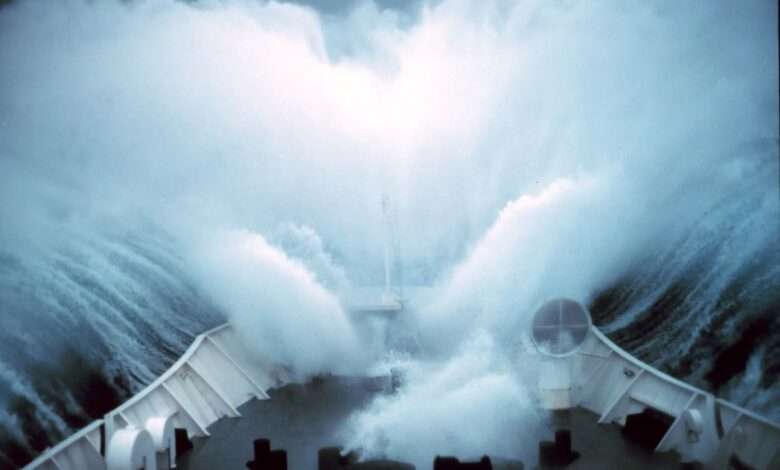
New U.S.-European Sea Level Satellite Will Help Safeguard Ships at Sea
Sea surface height data from the Sentinel-6B satellite, led by NASA and ESA, will help with the development of marine weather forecasts, alerting ships to possible dangers. Because most global trade travels by ship, accurate, timely ocean forecasts are essential. These forecasts provide crucial information about storms, high winds, and rough water, and they depend on measurements provided by instruments…
Read More » -
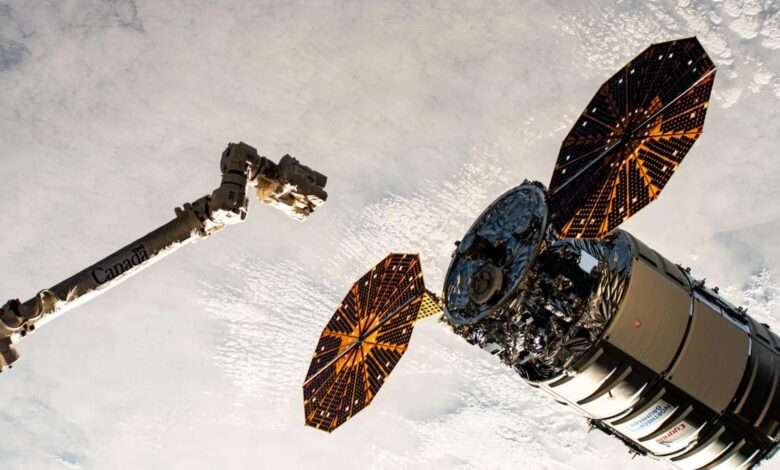
NASA’s Northrop Grumman CRS-23 Infographics & Hardware
NASA’s Northrop Grumman Commercial Resupply Services 23, or Northrop Grumman CRS-23, will deliver more than 11,000 pounds of science and supplies to the International Space Station. This mission will be the first flight of the Cygnus XL, the larger, more cargo-capable version of the company’s solar-powered spacecraft. The Cygnus XL will launch on a SpaceX Falcon 9 rocket from the…
Read More » -

Near-Earth Asteroids as of September 2025
Each month, NASA’s Planetary Defense Coordination Office releases a monthly update featuring the most recent figures on NASA’s planetary defense efforts, near-Earth object close approaches, and other timely facts about comets and asteroids that could pose an impact hazard with Earth. Here is what we’ve found so far. Updated: September 11, 2025
Read More » -

NASA Uses Colorado Mountains for Simulated Artemis Moon Landing Course
NASA has certified a new lander flight training course using helicopters, marking a key milestone in crew training for Artemis missions to the Moon. Through Artemis, NASA will explore the lunar South Pole, paving the way for human exploration farther into the solar system, including Mars. The mountains in northern Colorado offer similar visual illusions and flight environments to the…
Read More » -
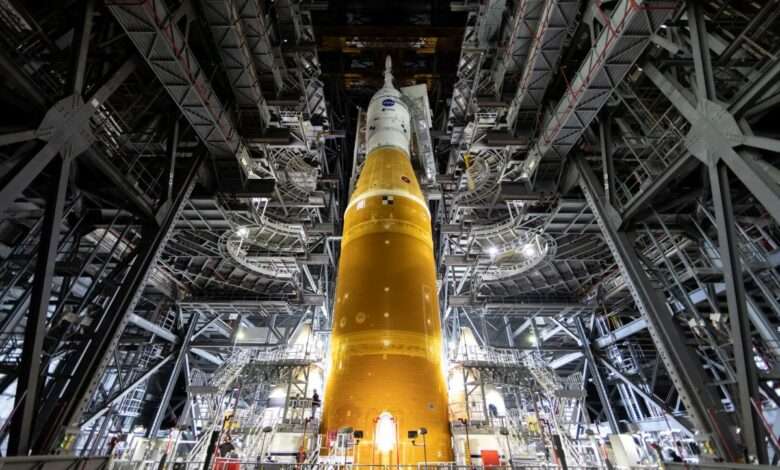
NASA Invites Media to View Artemis Moon Rocket, Spacecraft at Kennedy
Media are invited to see NASA’s fully assembled Artemis II SLS (Space Launch System) rocket and Orion spacecraft in mid-October before its crewed test flight around the Moon next year. The event at NASA’s Kennedy Space Center in Florida will showcase hardware for the Artemis II lunar mission, which will test capabilities needed for deep space exploration. NASA and industry subject…
Read More » -
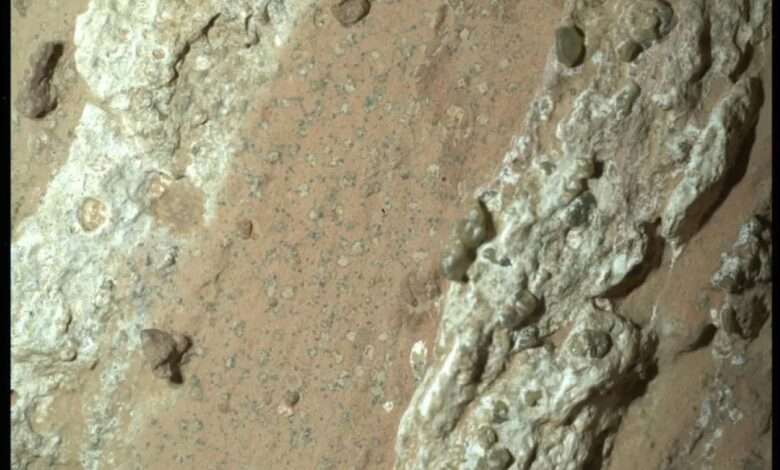
NASA Says Mars Rover Discovered Potential Biosignature Last Year
Lee este comunicado de prensa en español aquí. A sample collected by NASA’s Perseverance Mars rover from an ancient dry riverbed in Jezero Crater could preserve evidence of ancient microbial life. Taken from a rock named “Cheyava Falls” last year, the sample, called “Sapphire Canyon,” contains potential biosignatures, according to a paper published Wednesday in the journal Nature. A potential biosignature is a substance or…
Read More » -
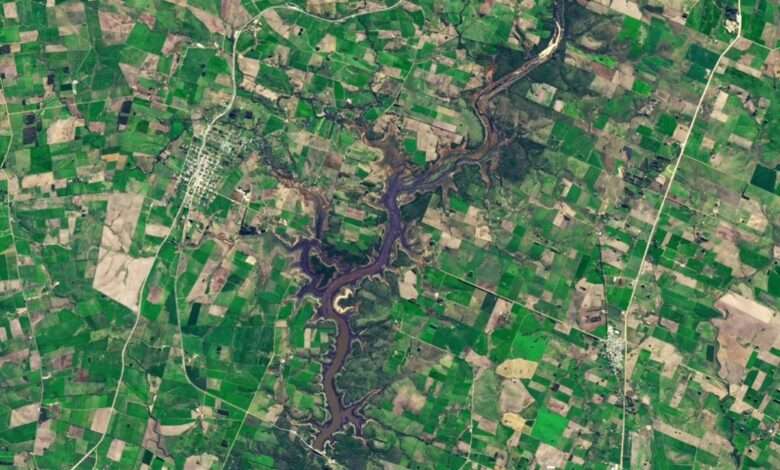
NASA Data, Trainings Help Uruguay Navigate Drought
Lee esta historia en español aquí. NASA satellite data and trainings helped Uruguay create a drought-response tool that its National Water Authority now uses to monitor reservoirs and guide emergency decisions. A similar approach could be applied in the United States and other countries around the world. From 2018 to 2023, Uruguay experienced its worst drought in nearly a century. The…
Read More » -
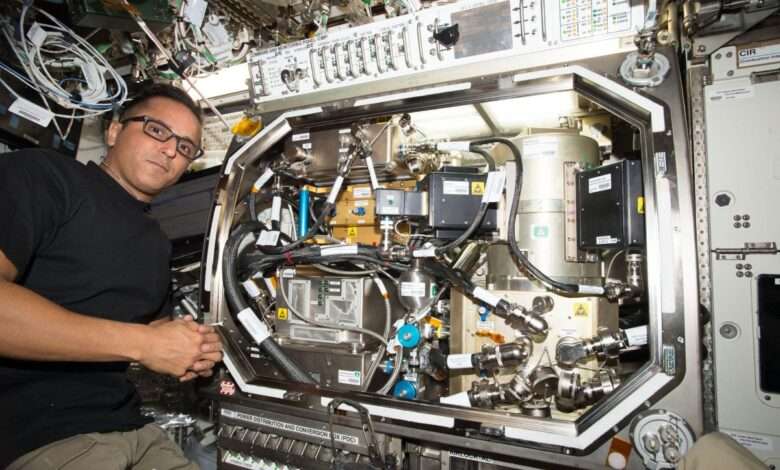
NASA Aims to Keep Fuel Cool Under Pressure with Zero Boil-Off Experiment On NG-23
Space missions rely on cryogenic fluids — extremely cold liquids like liquid hydrogen and oxygen — for both propulsion and life support systems. These fuels must be kept at ultra-low cryogenic temperatures to remain in liquid form; however, solar heating and other sources of heat increase the rate of evaporation of the liquid and cause the pressure in the storage…
Read More »