A new gadget can seem to appear out of nowhere. One day, nobody has heard of it. Soon after, it has a polished product page, sleek packaging, and enough promotional photos to make a charging cable look exciting.
The reality behind what happens before a new gadget hits the market looks considerably messier. A product must move from an interesting idea to something that works outside a design program. Engineers build prototypes, uncover problems, make changes, and figure out how a factory could produce thousands of matching units.
By launch day, consumers see the polished survivor of a much longer process.
A Cool Idea Still Has to Work
Product development begins with identifying a problem worth solving. The team must define the gadget’s purpose and target users before design progresses. These initial choices set limits: a portable gadget must fit its environment, a connected device needs space for electronics, and cost constraints influence ambition.
Feature decisions, like adding sensors or controls, are considered early but impact size and development effort.
Engineers translate requirements into a workable design, ensuring mechanical parts fit, electronics are properly placed, and the exterior is user-friendly. This balancing act means the first practical design often differs from the final customer version.
The First Version Probably Isn’t Pretty
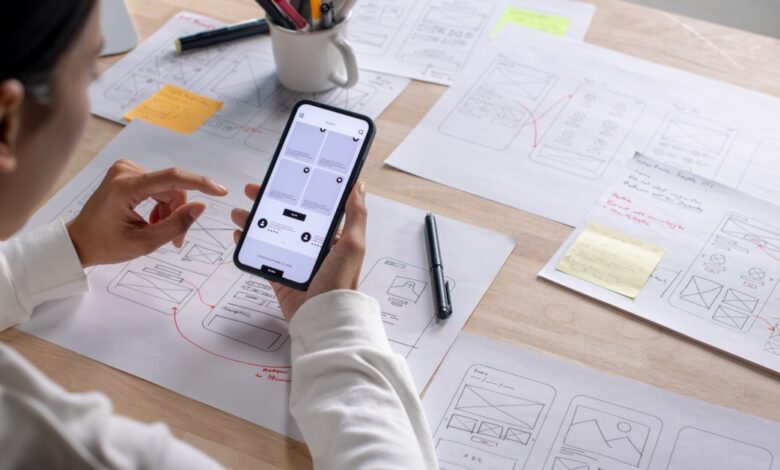
Product renderings often look futuristic, while early prototypes are less glamorous and serve specific purposes like testing size or movement. They reveal details that computer models hide, such as awkward button placement or clearance issues upon assembly. Teams use each prototype to improve subsequent versions as the design develops. Prototypes may become closer to the intended product in appearance and function.
This stage also gives engineers room to catch choices that could become expensive once manufacturing enters the picture. Paying attention to common mistakes engineers make in product design can help teams spot trouble while they still have flexibility to change the design.
An ugly prototype that exposes a problem has done its job. Nobody needs to frame it and hang it in the lobby.
Now Comes the Part Where People Try to Break It
Once the gadget works, the development team needs to find out how well it works.
Testing varies by product. A device with physical buttons may face repeated presses to see how the components hold up. Portable electronics may undergo tests that examine their performance under different environmental conditions. Engineers select tests based on the product’s intended use and applicable requirements.
Normal human behavior deserves attention too.
People drop devices. They press controls harder than designers expect. They misunderstand interfaces that seemed obvious during development. Testing gives teams a chance to see how the gadget responds before paying customers conduct their own unofficial experiments.
User feedback can uncover another category of problems. Engineers who have spent months working with a device already know how every control functions. Someone seeing it for the first time doesn’t have that advantage.
If several users hesitate at the same control or struggle with the same interaction, the team can investigate the design. A change to the interface or physical layout may make the gadget easier to use without altering its main purpose.
Testing and revisions can repeat several times. Version 12 may fix a problem from version 11 while introducing a new annoyance nobody saw coming.
Such is the glamorous life of new technology.
Building One Gadget Is Easier Than Building 10,000
A prototype may work well on an engineer’s desk but cause issues in manufacturing. Manufacturing scales up decisions: producing parts, assembling consistently, tooling for custom components, or fixtures for assembly.
Supply chain matters; a preferred component during development might not be available at the required volume. Production planning can force redesigns if a part is hard to produce or an assembly takes too long. Simplifying the design aids large-scale production.
Manufacturers often produce smaller batches for inspection before increasing volume. Consistency is crucial; one flawless prototype isn’t enough if a later unit has issues.
There’s Paperwork Behind the Shiny Tech Too
Some gadgets face regulatory requirements before they reach American consumers. The exact rules depend on what the product does.
Devices that use radio-frequency technology may fall under Federal Communications Commission requirements. Other product types face rules connected to their functions or components.
Development teams need to account for applicable requirements while the product still has room for changes. A problem uncovered near the end of development may require engineers to revisit the design.
Labels and documentation also come into play. A gadget may need specific information on the product or packaging depending on the rules that apply.
None of this makes for a thrilling product reveal. You probably won’t see a CEO walk across a stage while an audience applauds a compliance label. Still, those behind-the-scenes details form part of getting certain products ready for sale.
The Product Finally Starts Looking Launch-Ready
Once design is finalized and production begins, the gadget resembles the final product. Packaging teams need accurate dimensions and info, marketing needs final features, and retail depends on schedules and inventory. Software, including firmware or companion apps, must be ready, along with instructions.
All elements must align for launch. Manufacturing turns approved design into units, with quality checks catching inconsistencies. The early prototype becomes the sleek gadget in promotional photos, with most customers unaware of earlier awkward versions.
A Lot Happens Before You Open the Box
The polished device sitting on a retail shelf hides months or sometimes longer periods of development. Before a new gadget hits the market, there’s a process that includes design, creating prototypes, testing, preparing for manufacturing, and coordinating the final launch.
Each stage brings the original idea closer to being usable, with some concepts changing significantly and others dropping out of development entirely.
When you buy the gadget, it arrives without the visible history of these steps. You open the box, press the power button, and expect it to work. If it does, many people have likely spent a lot of time ensuring you never have to see the earlier, less polished versions.