
NASA
-
Astronomy Picture of the Day
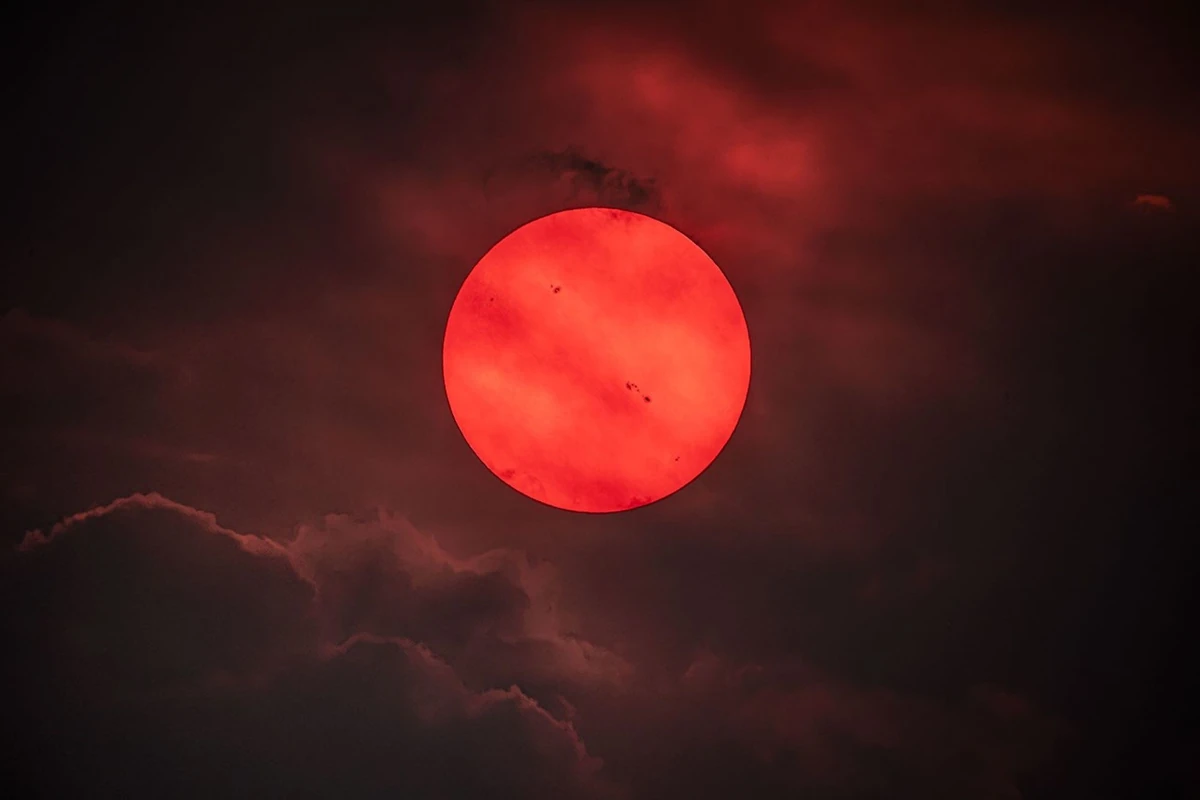
Red Sun through Wildfire Smoke Explanation: This could be the view from an exoplanet orbiting around a red dwarf star, but it is our own Sun. This image of was taken on July 22, 2026, in the Okanagan region in the Canadian province of British Columbia. Wildfire smoke from the Pacific Northwest acted as a solar filter, allowing the photographer to take this photo of the Sun directly. Several sunspots are also visible in this eerie image;…
Read More » -

New Zealand’s Southern Wilderness
Stewart Island/Rakiura is the third-largest island in New Zealand, diminutive in comparison to the country’s North Island and South Island. Yet it hosts a population of one of the largest of the kiwi: the Stewart Island tokoeka. This flightless bird, a subspecies of the Southern brown kiwi (Apteryx australis), numbers in the thousands on the island, dwarfing its human population of approximately 500. The avian national…
Read More » -
NASA Awards 2026 Innovative Technology Concepts
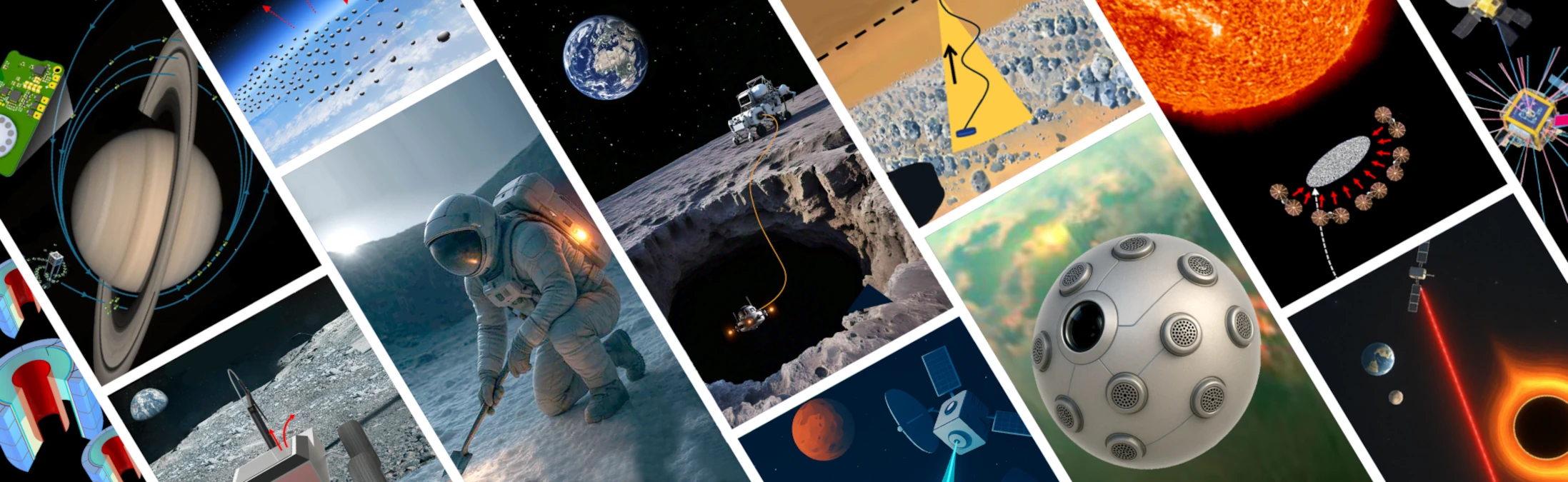
The NASA Innovative Advanced Concepts (NIAC) program has created 18 new awards to support visionary ideas to improve aerospace technologies in areas ranging from the exploration of the solar system to understanding the universe. The 18 NIAC Phase I awards total $3.2 million. Each award provides up to $175,000 for a nine-month initial investigation. The NIAC projects are about early-stage…
Read More » -
NASA’s Curiosity Views a Sand-Capped Butte
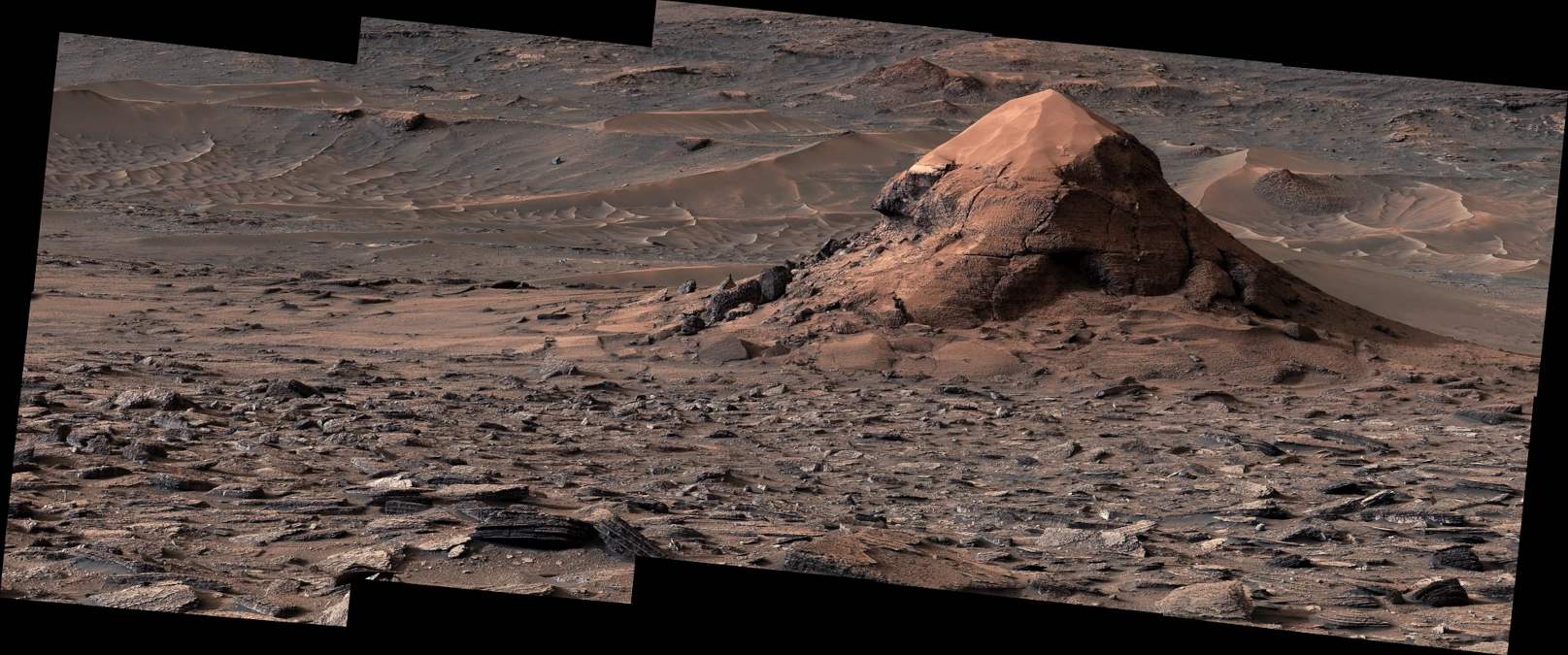
Description NASA’s Curiosity Mars rover captured this sand-capped butte, nicknamed “Miraflores,” estimated to be about 20 feet (6 meters) tall, with its Mast Camera, or Mastcam, on June 11, 2026, the 4,923rd Martian day, or sol, of the mission. The butte was left behind as surrounding rock eroded away over time, deepening the broad valley Curiosity is climbing through. The…
Read More » -
NASA Sets Coverage for August Northern Hemisphere Total Solar Eclipse
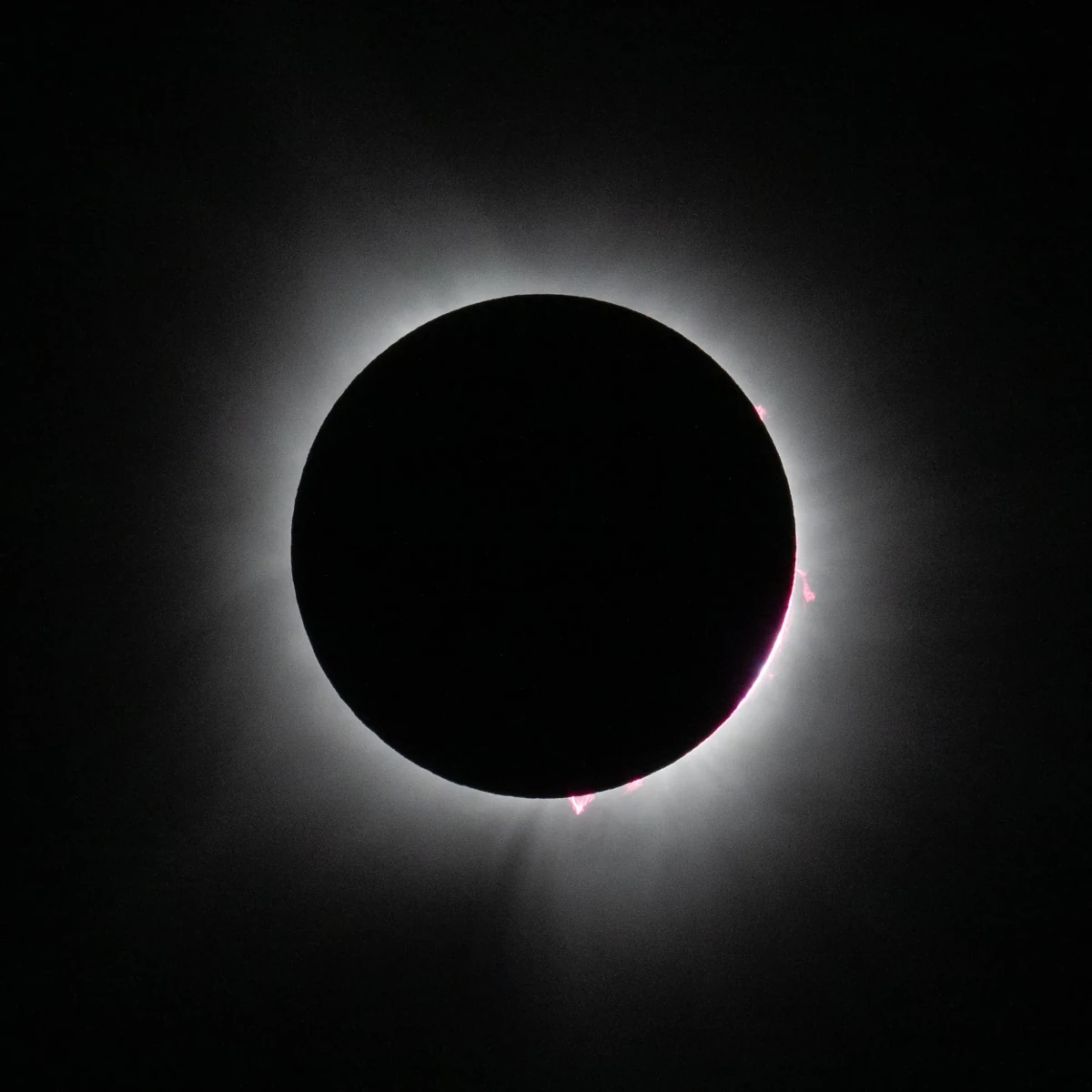
On Wednesday, Aug. 12, a total solar eclipse will be visible in parts of Greenland, Iceland, northern Russia, the Atlantic Ocean, Spain, and a small corner of Portugal. NASA will stream the eclipse live with views across the path and interviews with subject matter experts through a variety of platforms. Learn where to watch online: NASA Live Viewers in other…
Read More » -
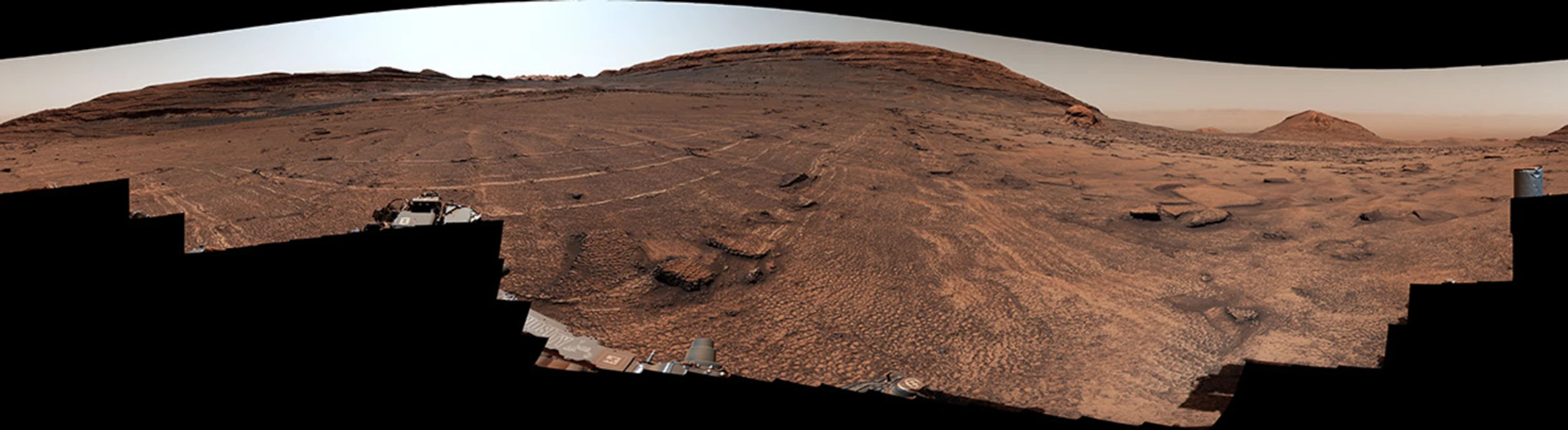
NASA’s Curiosity Discovers a Field of Martian Polygons
Description NASA’s Curiosity Mars rover captured this 360-degree view of an expanse of terrain covered in surface features called polygons on June 19 and 20, 2026, the 4,930th and 4,931st Martian days, or sols, of the mission. The rover has found polygons several times in the past, but never so many in one place. Across the center of this image,…
Read More » -
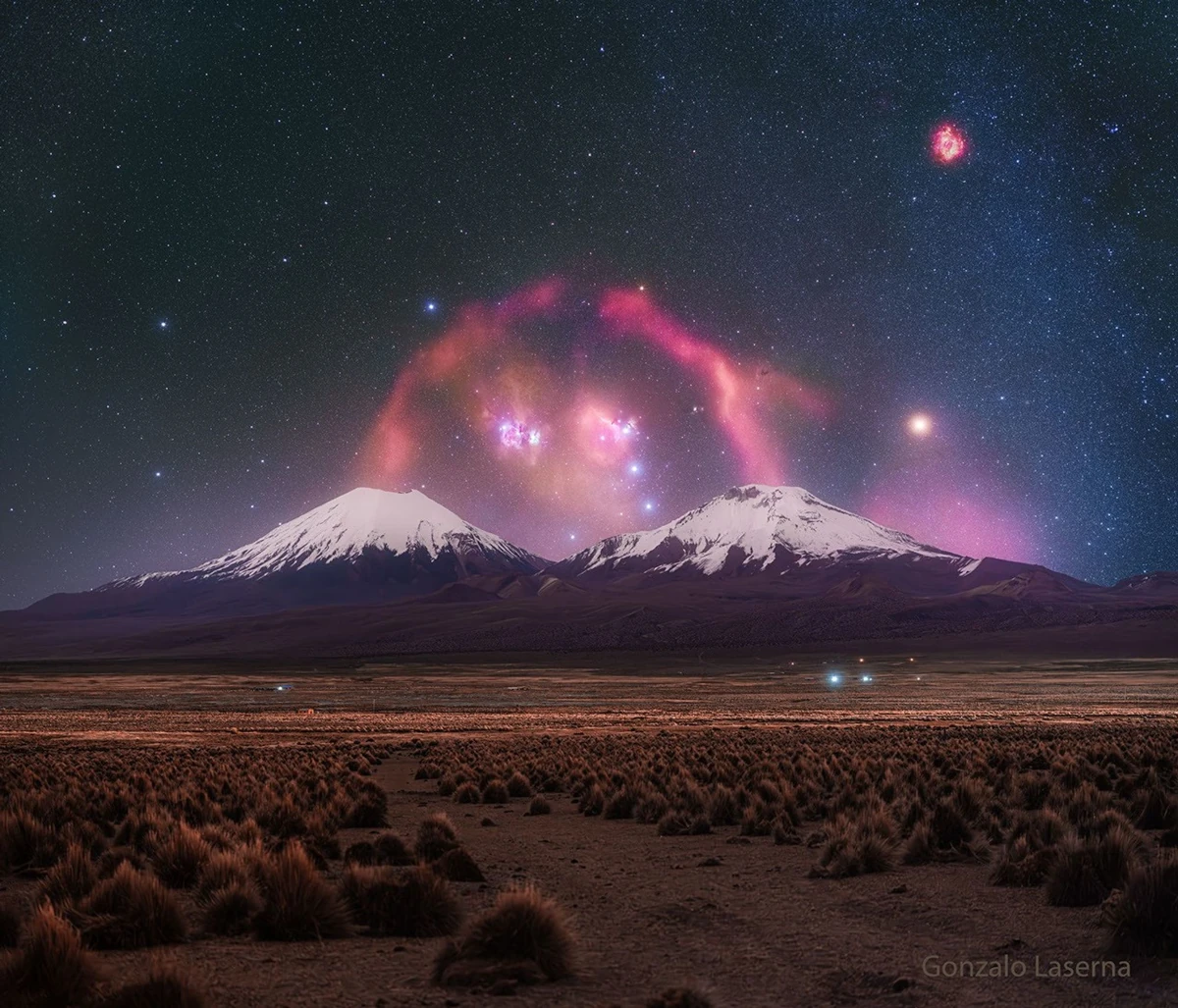
Astronomy Picture of the Day
Barnards Loop over Twin Volcanoes Explanation: What’s connecting these two volcanoes? In ancient folklore, the two volcanoes, Parinacota (left) and Pomerape (right), are connected by representing a mythical prince and princess who engaged in a forbidden romance. Beneath the ground, the two peaks are not known to be connected by a common pool of hot magma, and neither volcano has erupted in the past 1000 years. Above…
Read More » -
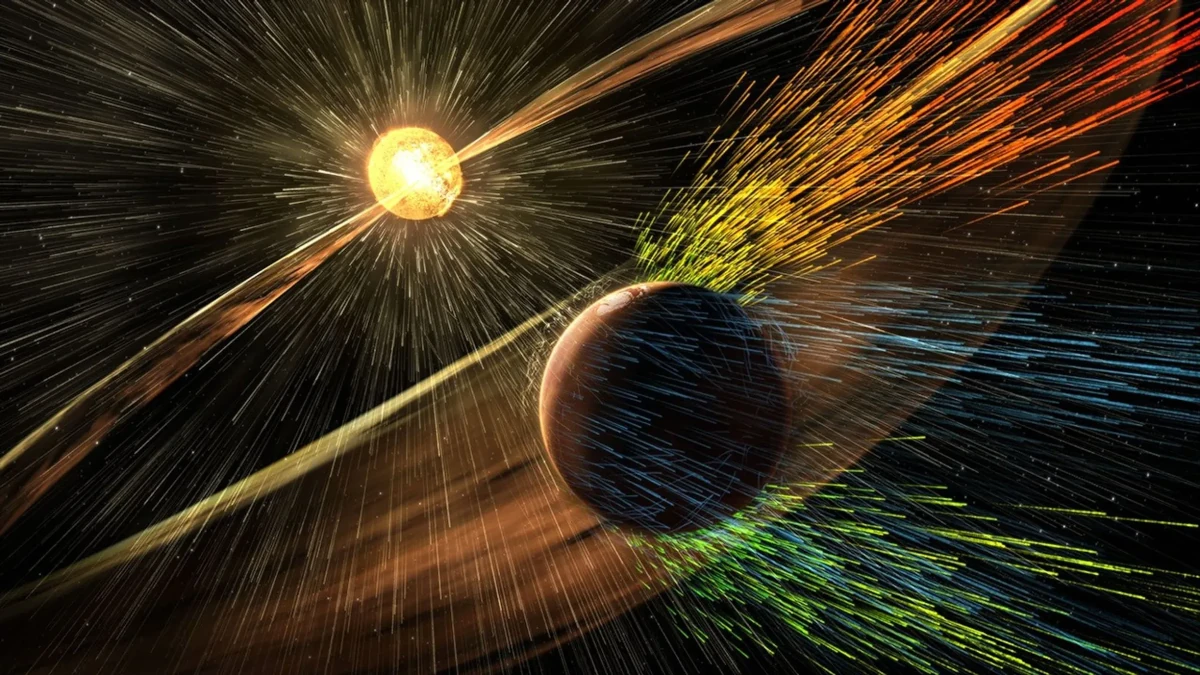
Understanding How Martian Auroras Are Made
This July 23, 2026, illustration depicts charged particles from a solar storm stripping away charged particles of Mars’ atmosphere, one of the processes of Martian atmosphere loss studied by NASA’s MAVEN (Mars Atmosphere and Volatile Evolution) mission. NASA MAVEN mission scientists have found that certain types of auroras on Mars form in a similar way to Earth-based auroras. Read more about this…
Read More » -
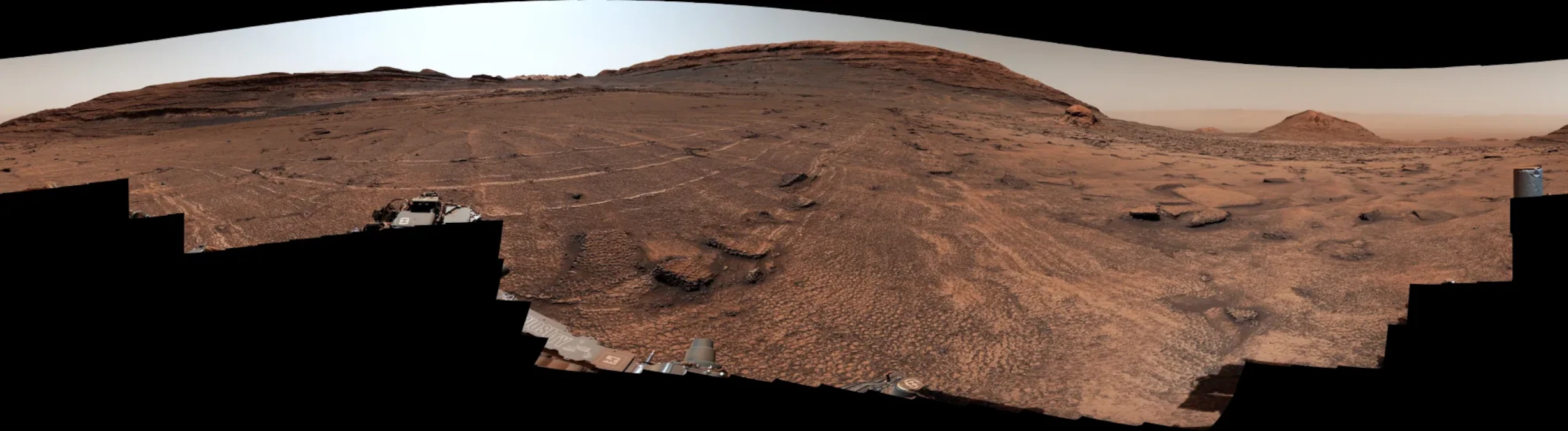
NASA’s Curiosity Mars Rover Discovers Field of Honeycomb Textures
As NASA’s Curiosity rover recently began climbing up a Martian valley nicknamed “Valle Grande,” it sent back images that were a familiar sight to mission scientists: honeycomb-like textures called polygonal fractures, each one about 1.5 to 3 inches (4 to 8 centimeters) across. The mission has spotted small patches of these geometric shapes several times before, but nothing at the…
Read More » -
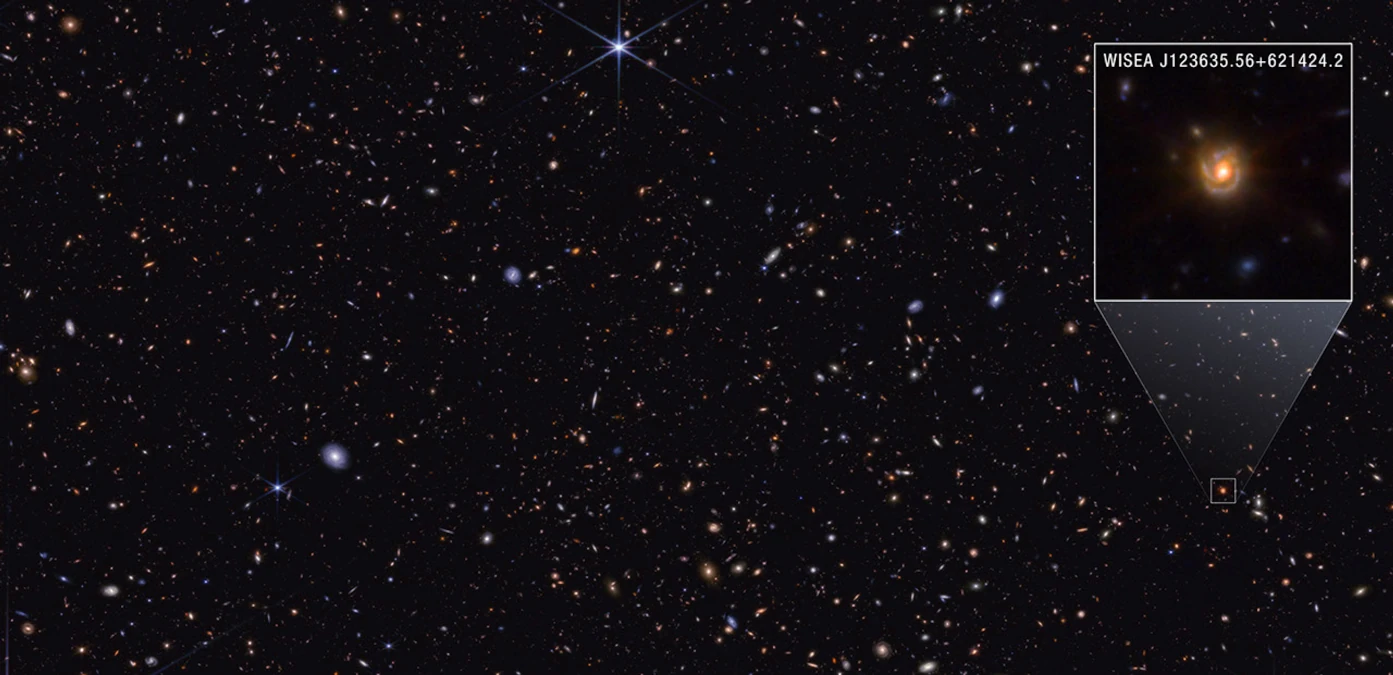
NASA Webb Explores Family Tree of Newly Discovered Distant Objects
Since their discovery by NASA’s James Webb Space Telescope in 2022, little red dots (LRDs) have been the subject of great interest to astronomers. Understanding the nature of these extremely distant, compact red sources has been a puzzling scientific endeavor. One popular theory is that little red dots are supermassive black holes known as active galactic nuclei, although they display characteristics…
Read More »