
NASA
-
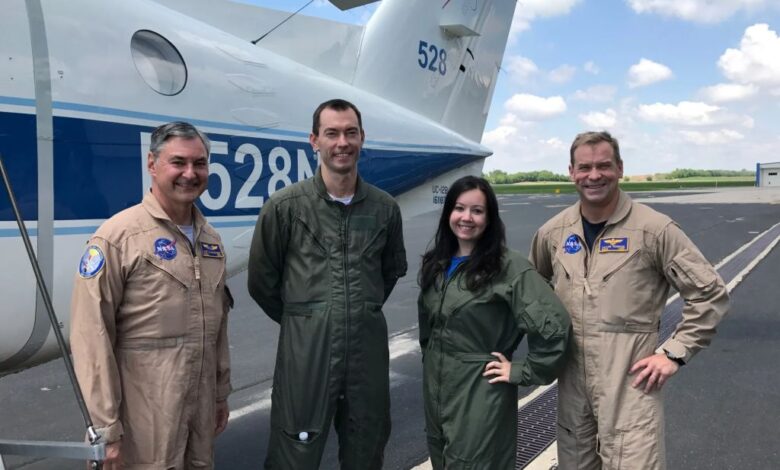
Matthew Kowalewski: Aerospace Engineer and Curious About Everything
Matthew Kowalewski describes himself as “curious about too many things,” but that curiosity comes in handy when engineering instrumentation scheduled to soar through the atmosphere of a moon of Saturn. Name: Matthew KowalewskiTitle: Dragonfly Mass Spectrometer (DraMS) Lead Instrument Systems EngineerFormal Job Classification: Aerospace EngineerOrganization: Instrument and Payload Systems Engineering Branch (Code 592) Matthew Kowalewski (second from left) is the…
Read More » -

Inia Soto Ramos, From the Mountains of Puerto Rico to Mountains of NASA Earth Data
Dr. Inia Soto Ramos became fascinated by the mysteries of the ocean while growing up in Puerto Rico’s mountains. Today, she works at NASA as an oceanographer and data manager, where she can uncover these enigmas from space. Name: Dr. Inia Soto RamosTitle and Formal Job Classification: Associate Research ScientistOrganization: Ocean Ecology Laboratory (Code 616) via Morgan State University and GESTAR…
Read More » -
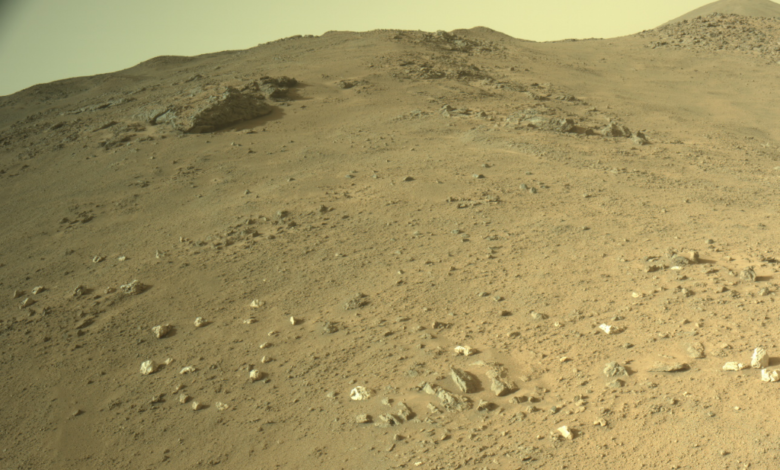
Peculiar Pale Pebbles
During its recent exploration of the crater rim, Perseverance diverted to explore a strange, scattered field of bright white rocks which sparked the interest of the team scientists. Perseverance has been climbing up the steep slopes of the Jezero crater rim for over two months now, and ever since approaching the edge of the crater has been spying increasingly diverse and strange-looking…
Read More » -
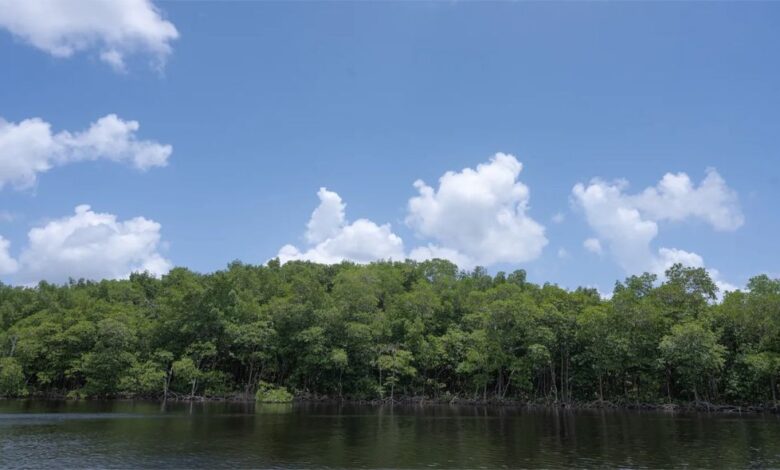
NASA’s BlueFlux Campaign Supports Blue Carbon Management in South Florida
Introduction Along the southernmost rim of the Florida Peninsula, the arching prop roots or “knees” of red mangroves (Rhizophora mangle) line the coast – see Photo 1. Where they dip below the water’s surface, fish lay their eggs, enjoying the protection from predators that the trees provide. Among their branches, wading birds, such as the great blue heron and the roseate spoonbill…
Read More » -
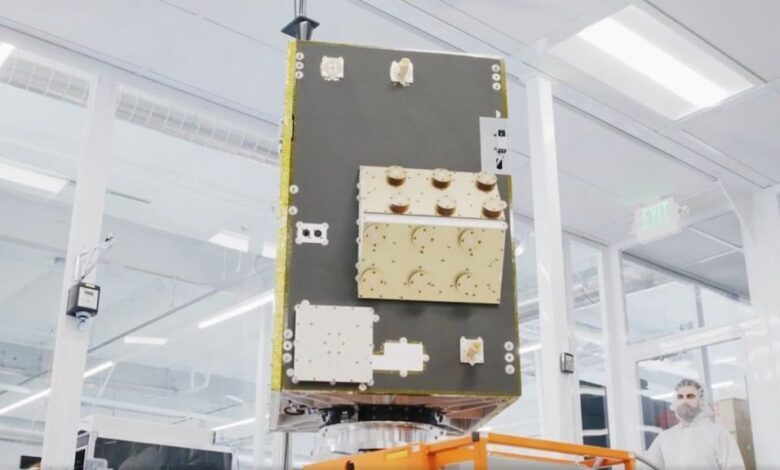
NASA-developed Technology Supports Ocean Wind Speed Measurements from Commercial Satellite
A science antenna developed with support from NASA’s Earth Science Technology Office (ESTO) is now in low-Earth orbit aboard MuSat2, a commercial remote-sensing satellite flown by the aerospace company Muon Space. The dual-frequency science antenna was originally developed as part of the Next Generation GNSS Bistatic Radar Instrument (NGRx). Aboard MuSat2, it will help measure ocean surface wind speed—an essential…
Read More » -
Artemis II Orion Spacecraft Undergoes Testing
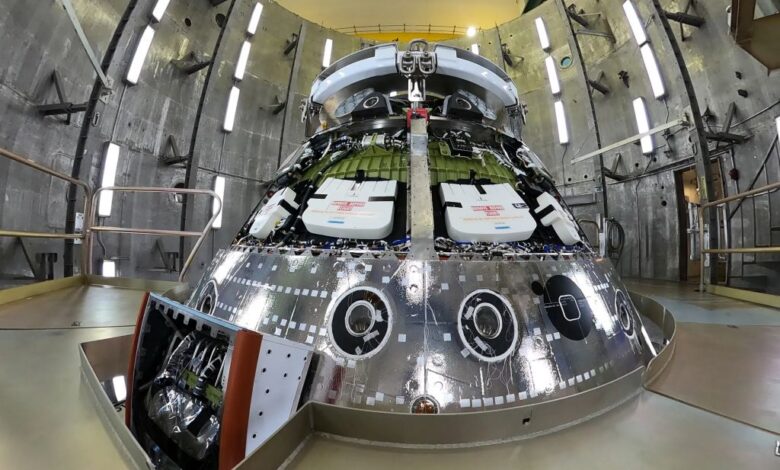
Teams lifted NASA’s Orion spacecraft for the Artemis II test flight out of the Final Assembly and System Testing cell and moved it to the altitude chamber to complete further testing on Nov. 6 inside the Neil A. Armstrong Operations and Checkout building at NASA’s Kennedy Space Center in Florida. Engineers returned the spacecraft to the altitude chamber, which simulates…
Read More » -
Station Science Top News: Nov. 8, 2024
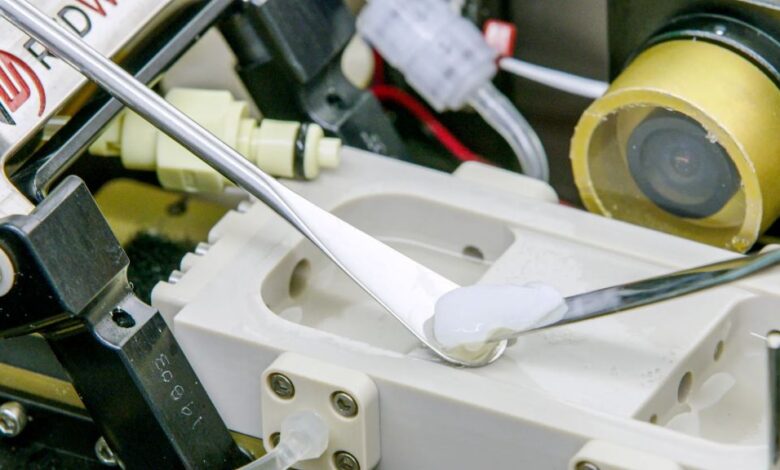
Researchers demonstrated the feasibility of 3D bioprinting a meniscus or knee cartilage tissue in microgravity. This successful result advances technology for bioprinting tissue to treat musculoskeletal injuries on long-term spaceflight or in extraterrestrial settings where resources and supply capacities are limited. BFF Meniscus-2 evaluated using the BioFabrication Facility to 3D print knee cartilage tissue using bioinks and cells. The meniscus is the first…
Read More » -
Commitment to Service Continues at Johnson for Military Retirees
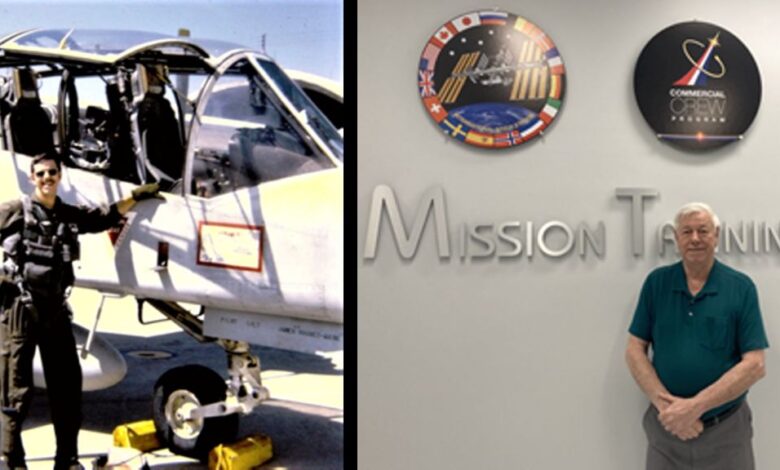
NASA and the military have shared strong connections since the agency’s early days. From the nation’s earliest aeronautic research and the recruitment of test pilot astronauts to modern-day technology development, satellite management, and planetary defense, NASA has built a longstanding partnership with the military. This legacy of collaboration has created natural opportunities for former service members to join NASA’s ranks…
Read More » -

Sols 4359-4361: The Perfect Road Trip Destination For Any Rover!
Earth planning date: Friday, Nov. 8, 2024 After the excitement of Wednesday’s plan, it was a relief to come in today to hear that the drive toward our exit from Gediz Vallis completed successfully and that we weren’t perched on any rocks or in any other precarious position. This made for a very smooth planning morning, which is always nice on…
Read More » -
Mining Old Data From NASA’s Voyager 2 Solves Several Uranus Mysteries
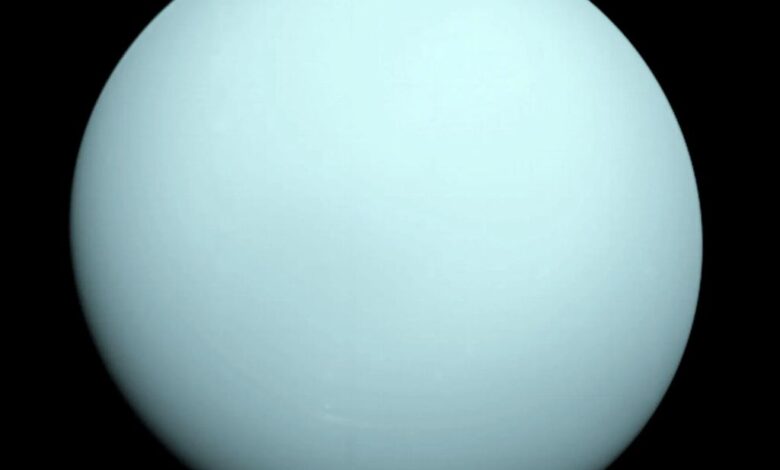
NASA’s Voyager 2 flyby of Uranus decades ago shaped scientists’ understanding of the planet but also introduced unexplained oddities. A recent data dive has offered answers. When NASA’s Voyager 2 spacecraft flew by Uranus in 1986, it provided scientists’ first — and, so far, only — close glimpse of this strange, sideways-rotating outer planet. Alongside the discovery of new moons…
Read More »