
NASA
-
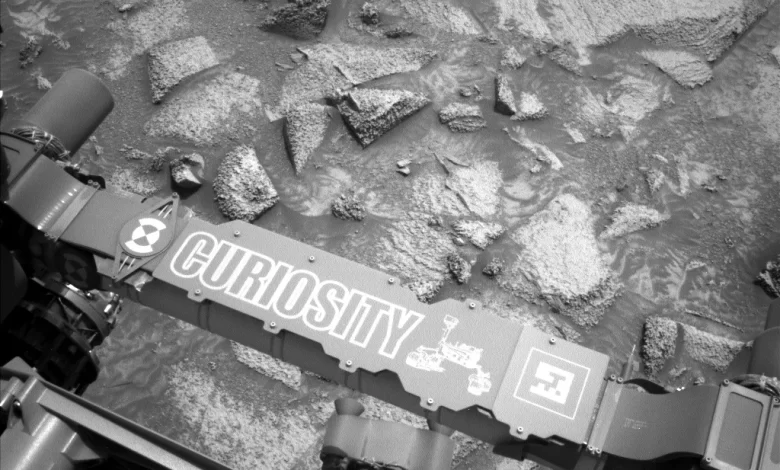
Sols 4325-4326: (Not Quite) Dipping Our Toes in the Sand
Earth planning date: Friday, Oct. 4, 2024 If you read this blog very often, you know that nearly every time the rover stops for science, MAHLI and APXS focus on interesting (and accessible!) rocks as targets. The rover science team is, after all, built with a lot of geologists. But geology is not all rocks, all the time — sand…
Read More » -
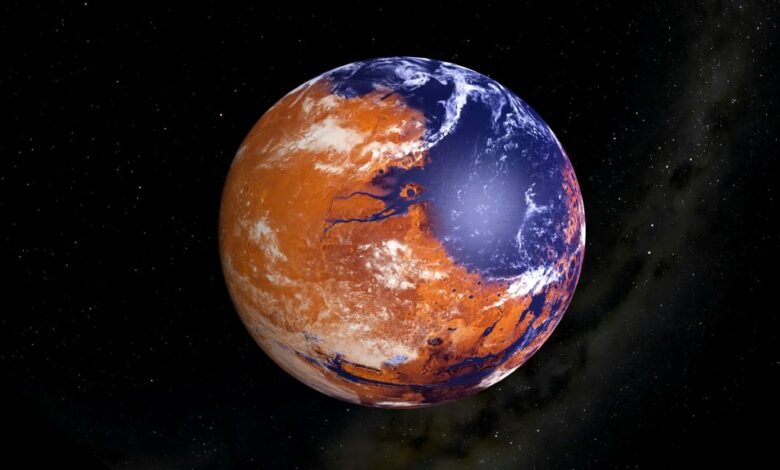
NASA: New Insights into How Mars Became Uninhabitable
NASA’s Curiosity rover, currently exploring Gale crater on Mars, is providing new details about how the ancient Martian climate went from potentially suitable for life – with evidence for widespread liquid water on the surface – to a surface that is inhospitable to terrestrial life as we know it. This is an artist’s concept of an early Mars with liquid…
Read More » -
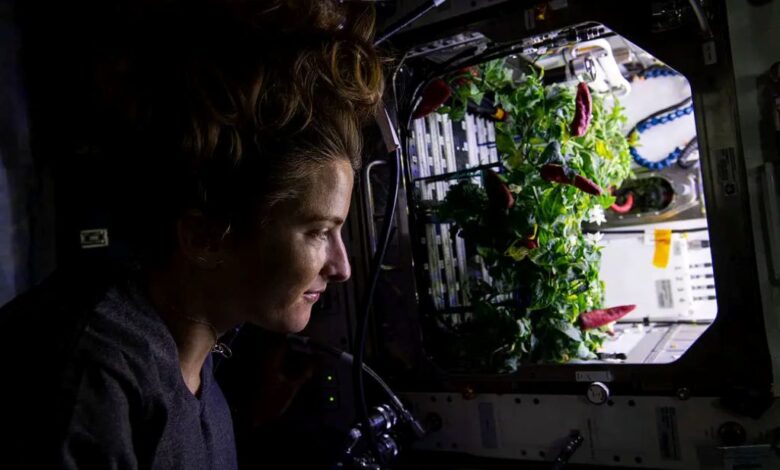
Tech Today: Spraying for Food Safety
Whether protecting crops from diseases and pests or sanitizing contaminated surfaces, the ability to spray protective chemicals over important resources is key to several industries. Electrostatic Spraying Systems Inc. (ESS) of Watkinsville, Georgia, manufactures electrostatic sprayers and equipment that make this possible. By licensing NASA electrostatic technology, originally made to water plants in space, ESS’s improved spray nozzles efficiently use…
Read More » -
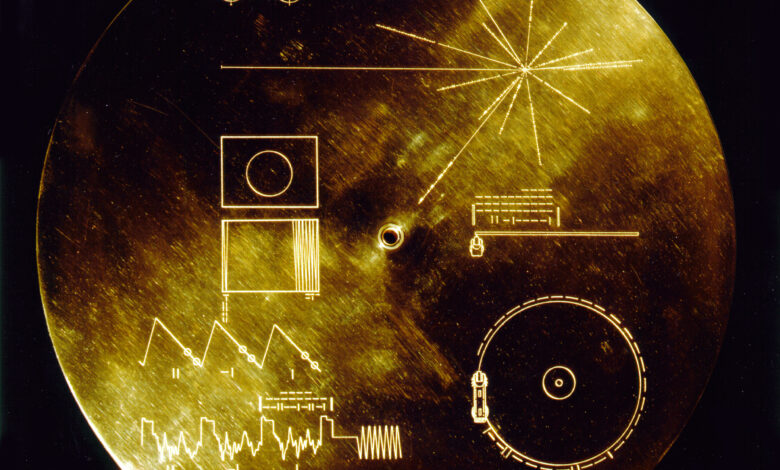
Instructions for Aliens
The golden records placed aboard Voyager 1 and 2 each have a cover with special etchings, seen here in this photo from Sept. 4, 1977. These drawings show how the record should be used to receive a message from Earth. For example, the drawing in the bottom right corner is of the phonograph record and the stylus carried with it;…
Read More » -
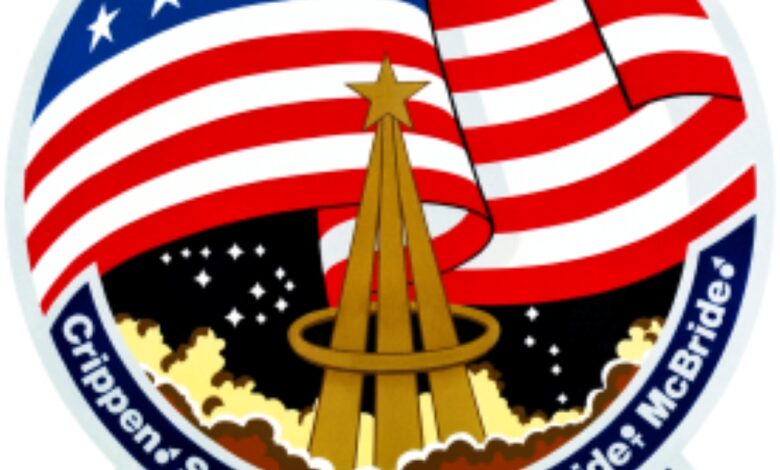
40 Years Ago: STS-41G – A Flight of Many Firsts and Records
The 13th flight of the space shuttle program and the sixth of Challenger, STS-41G holds many distinctions. As the first mission focused almost entirely on studying the Earth, it deployed a satellite, employed multiple instruments, cameras, and crew observations to accomplish those goals. The STS-41G crew set several firsts, most notably as the first seven-member space crew. Other milestones included the…
Read More » -
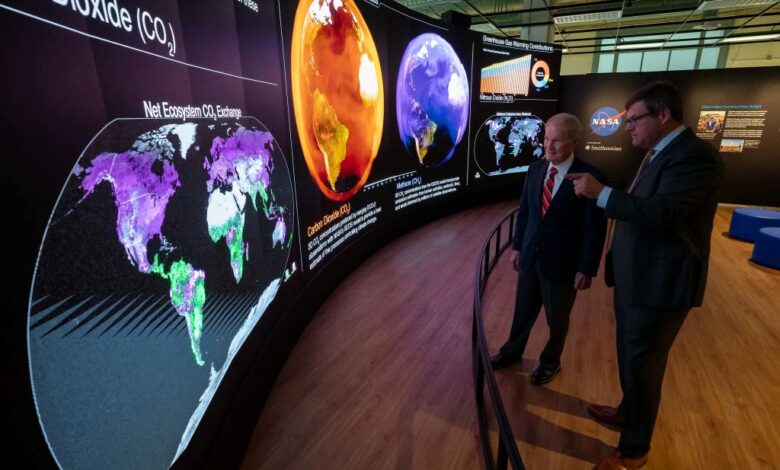
NASA, Smithsonian Open New Exhibit to Showcase Our Dynamic Earth
NASA Administrator Bill Nelson joined the director of the Smithsonian’s National Museum of Natural History in Washington and agency leadership to unveil the new Earth Information Center exhibit during an early preview on Monday. “NASA has studied Earth and our changing climate for more than 60 years. The Earth Information Center at the Smithsonian Museum of Natural History will expand…
Read More » -
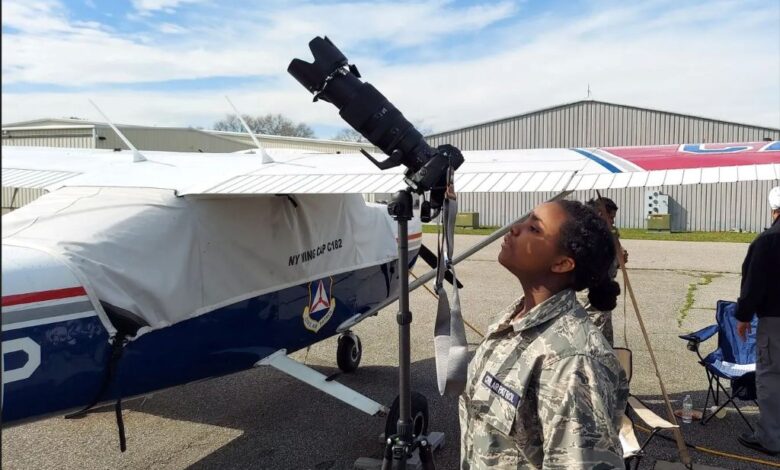
GLOBE Eclipse and Civil Air Patrol: An Astronomical Collaboration
The Civil Air Patrol (CAP) is a volunteer organization that serves as the official civilian auxiliary of the United States Air Force. The organization has an award-winning aerospace education program that promotes Science, Technology Engineering, & Mathematics (STEM)-related careers and activities. The total solar eclipse on 8 April 2024 was a unique opportunity to design a mission for cadets, senior…
Read More » -
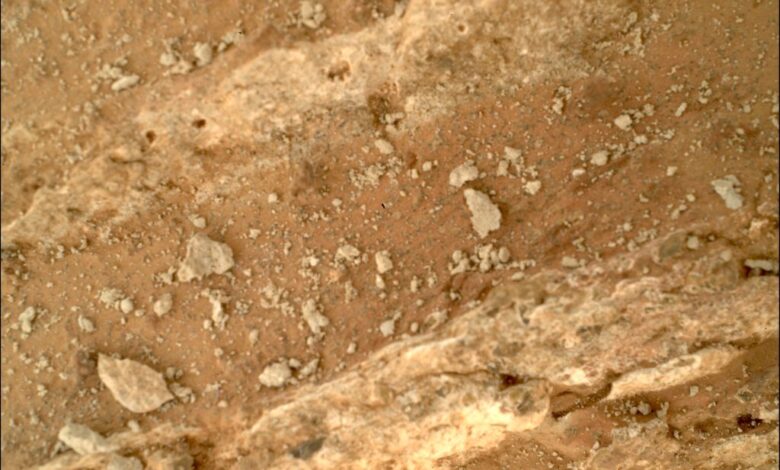
Perseverance Matters
In January 2024, the SHERLOC instrument aboard NASA’s Mars 2020 Perseverance rover encountered a significant issue. A fault in the instrument’s motor caused the dust cover and autofocus mechanism to become inoperative, putting the rover’s SHERLOC Raman spectroscopy capability at risk. Although Mars had posed an unexpected challenge, members of the SHERLOC operations team working together with the rover engineers refused to give up. Fortunately,…
Read More » -
Mark Sonoda: Leading NASA’s Path to the Commercialization of Space
With over 34 years of experience in human spaceflight, Mark Sonoda has witnessed some of NASA’s most pivotal moments, from the startup of the International Space Station to the retirement of the space shuttle. As the acting associate program manager for the Commercial Low Earth Orbit Development Program (CLDP), he is set to help guide NASA through another monumental period:…
Read More » -
Science Activation’s PLACES Team Facilitates Third Professional Learning Institute
The NASA Science Activation program’s Place-Based Learning to Advance Connections, Education, and Stewardship (PLACES) project supports middle and high school educators to engage students in data-rich Earth science learning through the integration of NASA data sets, images, classroom lessons, and other assets. This project draws on a place-based approach as a means to increase “data fluency” — the ability and confidence to…
Read More »