
NASA
-
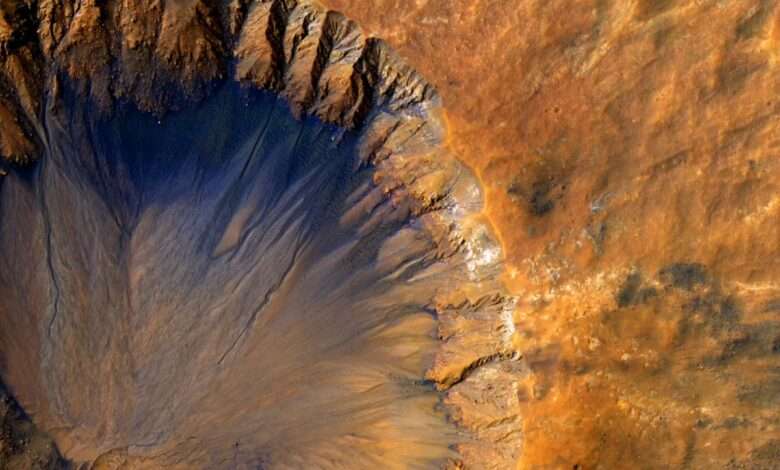
Celebrating NASA’s Mars Reconnaissance Orbiter’s 20th Anniversary: Crater Near Sirenum Fossae
NASA’s Mars Reconnaissance Orbiter (MRO) captures a detailed view of a relatively fresh crater in this image released on June 3, 2015. The crater has a sharp rim and well-preserved ejecta. The steep inner slopes are carved by gullies and include possible recurring slope lineae on the equator-facing slopes. This crater is monitored for changes over time. For 20 years, MRO has sought out…
Read More » -
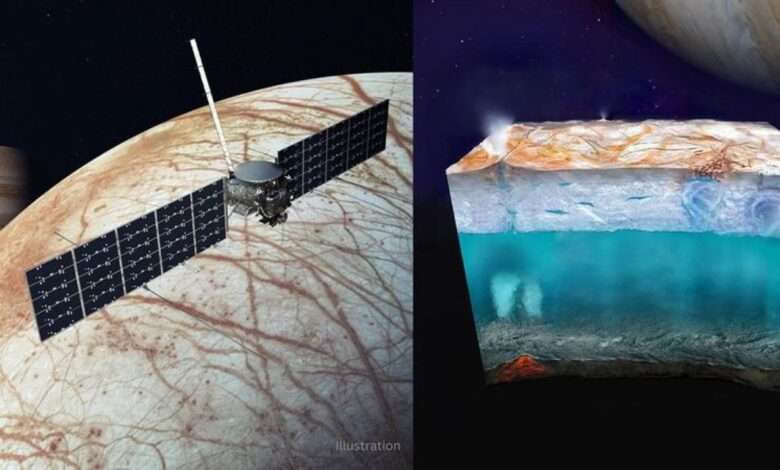
Developing Robust Electronics That Can Withstand Harsh Conditions on Cold Planetary Bodies
A NASA-sponsored team has developed electronics that can operate reliably in the harsh radiation and temperature conditions found on distant planetary bodies like Europa, an ocean world orbiting Jupiter. Not only could this new technology enable autonomous sensors and robotic exploration of distant ocean worlds, it could also support NASA’s goal to establish human outposts on the Moon and Mars…
Read More » -
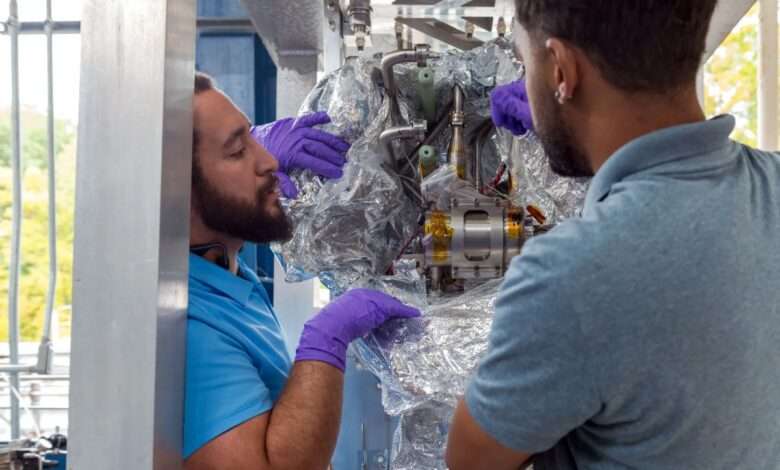
Ice to Fuel: NASA Tests Technology for Refueling Landers
The farther the destination, the more fuel a rocket needs. The more fuel the rocket carries, the heavier the spacecraft. The heavier the spacecraft, the more fuel it requires to launch. Experts at NASA’s Glenn Research Center in Cleveland are testing technology that could solve this problem. The CryoFILL (Cryogenic Fluid In-Situ Liquefaction for Landers) project could transform the way NASA fuels future space exploration missions, reducing costs and extending the duration of planetary surface operations. “If you think about how much…
Read More » -
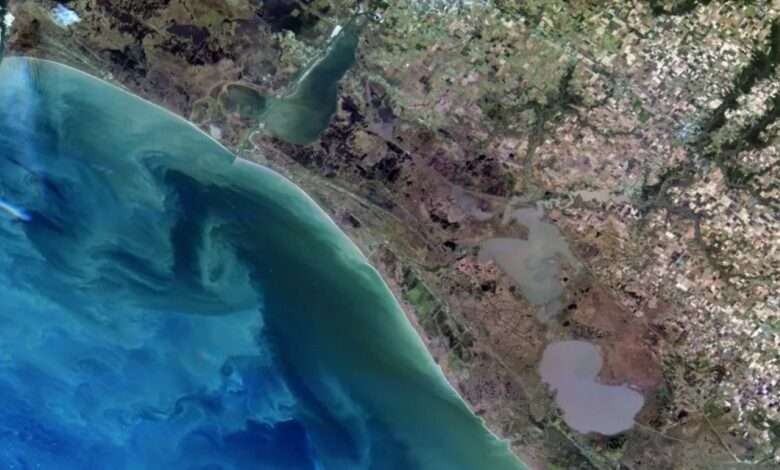
Webinar 3/25: NASA CSDA Vendor Focus – Satellogic
Join us March 25 at 2:00 p.m. EDT to learn more about the data offered by CSDA program vendor Satellogic. Satellogic satellite imagery of coastal Louisiana shows sediment plumes entering the Gulf of Mexico, illustrating how Earth observation data can monitor coastal and environmental dynamics. Image courtesy of Satellogic Join us on Wednesday, March 25 at 2:00 p.m. EDT (-04:00…
Read More » -
Expanding the Human Factors Toolbox: An Approach to Balancing Crew and Mission Design Parameters
This article is from the 2025 Technical Update. The human factors TDT looks for and creates opportunities to influence design to leverage human strengths and to protect people and missions. The human factors team has experts with knowledge of human performance in all aspects of NASA missions as well as from other safety-critical industries. The goal is to ensure that…
Read More » -
NASA Discovers Crash of Extreme Stars in Unexpected Site
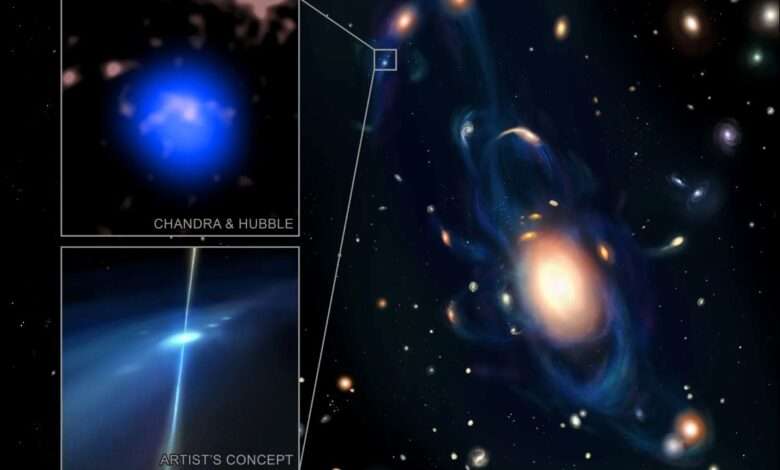
A fleet of NASA missions has likely uncovered a collision between two ultradense stars in a tiny galaxy buried in a huge stream of gas. Astronomers have never seen this type of explosive event in an environment like this before — and it may help solve two outstanding cosmic mysteries. A paper describing these results was published today in The Astrophysical…
Read More » -
Shades of a Lunar Eclipse
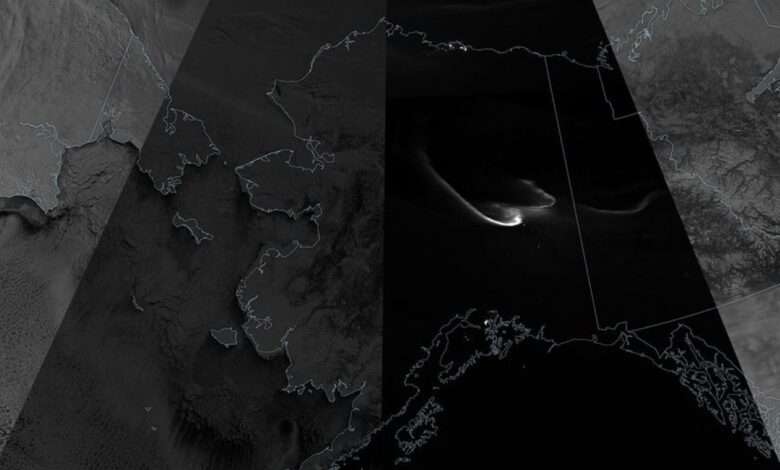
On March 3, 2026, Earth lined up directly between the Moon and the Sun, casting its shadow on the full Moon. The total lunar eclipse was visible throughout the Americas, East Asia, Australia, and the Pacific. Skygazers in those parts of the world may have witnessed a “Blood Moon,” when the dimmed lunar surface temporarily turned an orange-red color. Meanwhile, satellites observed…
Read More » -
About Subsonic Flight Demonstrator (SFD) Project
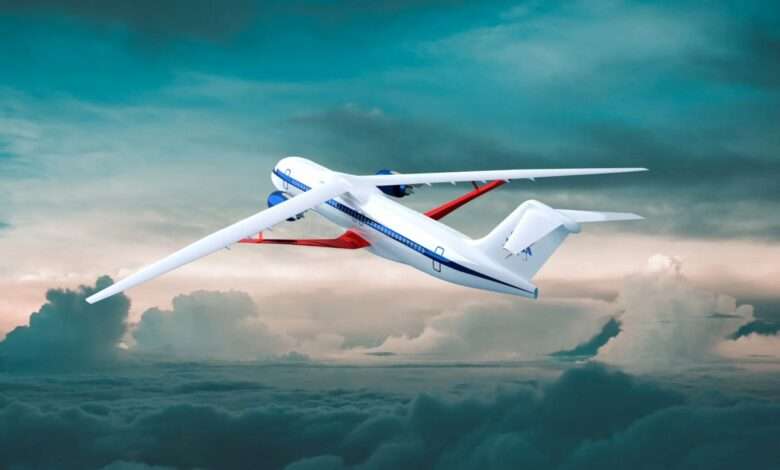
The purpose of the Subsonic Flight Demonstrator (SFD) project is to engage with industry and other government organizations to identify, select, and mature key airframe technologies, such as new wing designs, that have a high probability of transition to the next generation single-aisle seat class airliner. Moving technologies from a research environment to a production environment can be a real challenge for industry…
Read More » -

NASA’s Van Allen Probe A to Re-Enter Atmosphere
NASA’s Van Allen Probe A is expected to re-enter Earth’s atmosphere almost 14 years after launch. From 2012 to 2019, the spacecraft and its twin, Van Allen Probe B, flew through the Van Allen belts, rings of charged particles trapped by Earth’s magnetic field, to understand how particles were gained and lost. The belts shield Earth from cosmic radiation, solar storms, and the constantly streaming solar wind that are harmful…
Read More » -
About Flight Demonstrations and Capabilities (FDC) Project
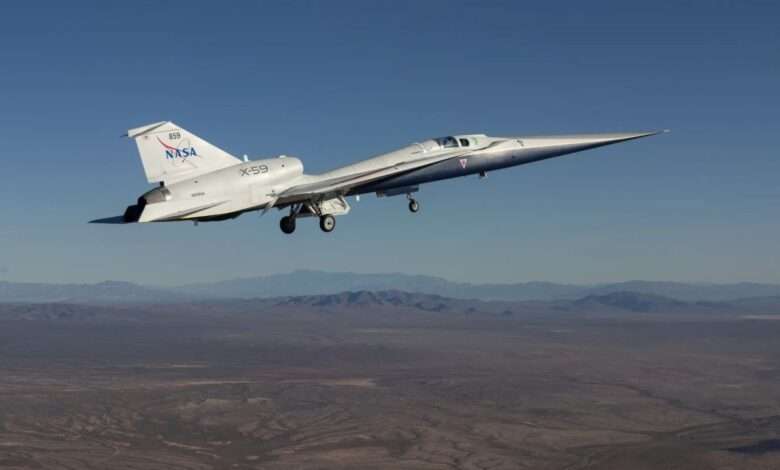
The FDC project conducts complex integrated small-scale flight research to validate the benefits of new technologies. By modifying aircraft from FDC’s support fleet, the project enables aggressive, success-oriented flight campaign schedules. While many technologies are at mid-levels of technology readiness, the FDC project supports all phases of technology maturation. FDC’s support aircraft fleet enables safety chase and in-flight experimental measurements for a variety of NASA missions. The project collaborates…
Read More »