
NASA
-

NASA Releases Report on Starliner Crewed Flight Test Investigation
At a news conference on Thursday, NASA released a report of findings from the Program Investigation Team examining the Boeing CST-100 Starliner Crewed Flight Test as part of the agency’s Commercial Crew Program. “The Boeing Starliner spacecraft has faced challenges throughout its uncrewed and most recent crewed missions. While Boeing built Starliner, NASA accepted it and launched two astronauts to space. The technical difficulties encountered during docking with…
Read More » -
Award-Winning NASA Camera Revolutionizes How We See the Invisible
Imagine trying to photograph wind. That’s similar to what NASA engineers dealt with during a recent effort to study how air moves around planes, rockets, and other kinds of aerospace vehicles. Air is invisible, but our understanding of how it flows is crucial for building better, safer aircraft. For 80 years, researchers used a technique called “focused schlieren imaging.” Think…
Read More » -
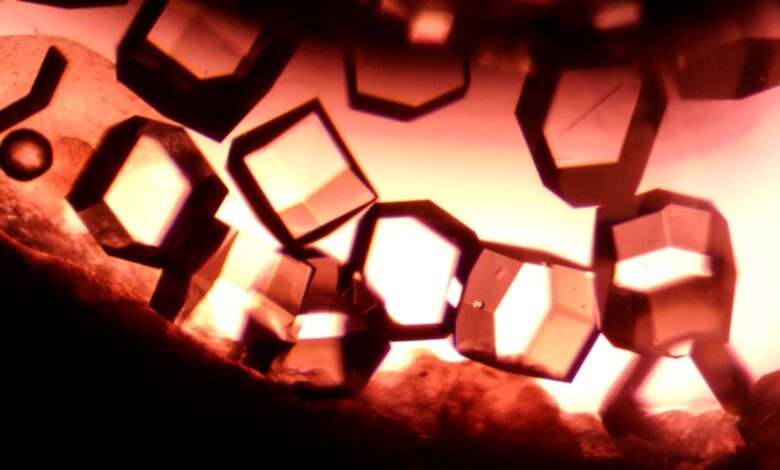
Crystals Grown in Space
This June 5, 2024, image shows lysozyme crystals aboard the International Space Station. Lysozyme is a protein found in bodily fluids like tears, saliva, and milk, and is used as a control compound to demonstrate well-formed crystals. Lysozyme plays a vital role in innate immunity, protecting against bacteria, viruses, and fungi. The crystals were grown with Redwire’s PIL-BOX in a study of the…
Read More » -
Map the Earth’s Magnetic Shield with the Space Umbrella Project
A stream of charged particles known as the solar wind flows from the Sun toward Earth. Here, it meets the Earth’s magnetic fields, which shield our planet like a giant umbrella. The Space Umbrella project needs your help investigating this dynamic region, where NASA’s Magnetosphere Multiscale (MMS) mission has been collecting data since 2015. The MMS mission investigates how the Sun and…
Read More » -
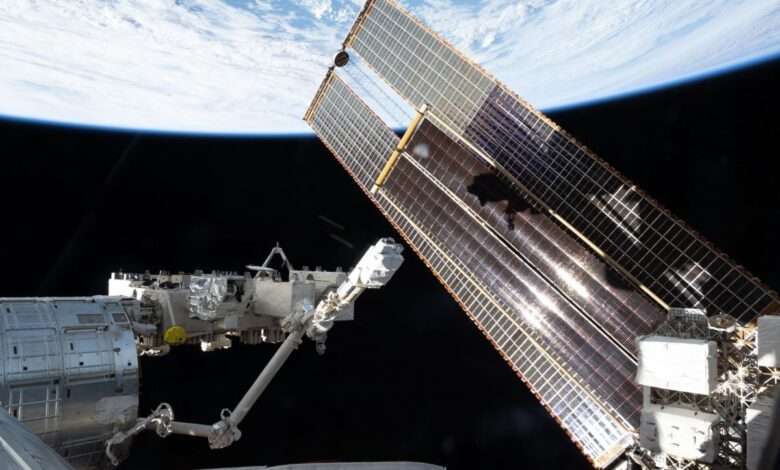
Small But Mighty Lab Device Could Transform NASA Research
A small but mighty piece of lab equipment, about the size of a cellphone, has arrived at the International Space Station after launching with NASA’s SpaceX Crew-12 mission. NASA aims to use the off-the-shelf device, called a microplate reader, to conduct vital biological research in space and get real-time access to data. Demonstrations like this are part of NASA’s Commercially Enabled Rapid…
Read More » -
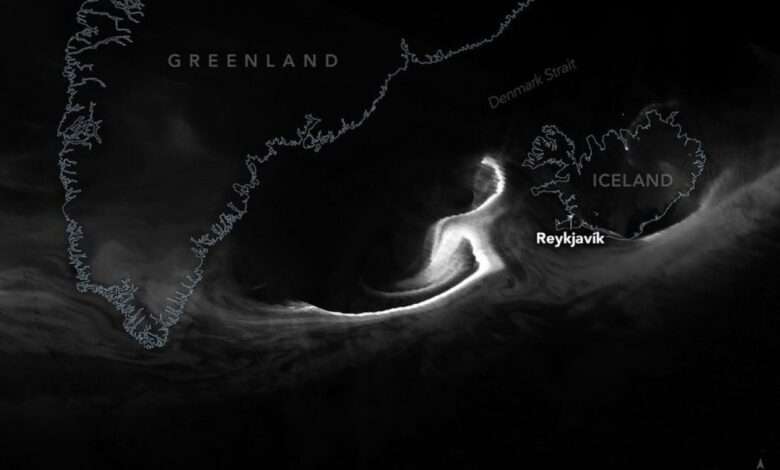
Northern Glow Spans Iceland and Canada
Although the aurora borealis, or northern lights, is most often observed in March and September, it can appear at other times of the year if conditions are right. For instance, in February 2026, a minor geomagnetic storm produced a striking display of light swirling across northern skies. The VIIRS (Visible Infrared Imaging Radiometer Suite) on the Suomi NPP satellite acquired these images in the early morning hours of…
Read More » -
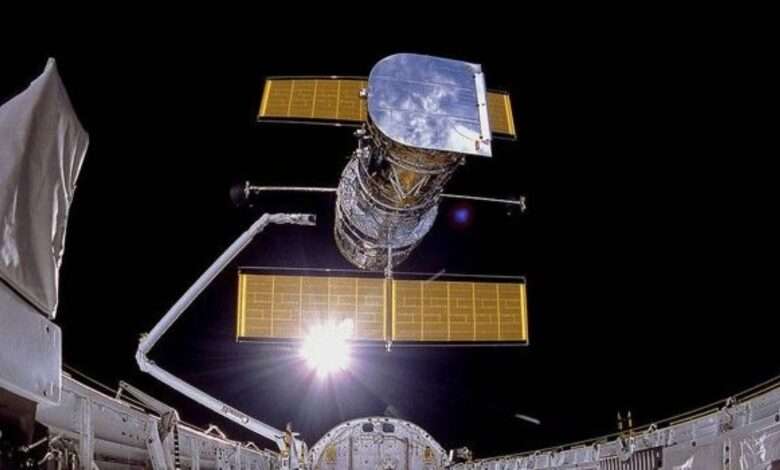
The Gestation of the Hubble
Looking through the atmosphere is like looking through a piece of old stained glass. The glass has defects that distort the image. The atmosphere also has defects that distort the image, but the defects in the atmosphere move, thus blurring the image as well. The glass is colored, so only some colors get through. Until the mid-20th century, that did…
Read More » -
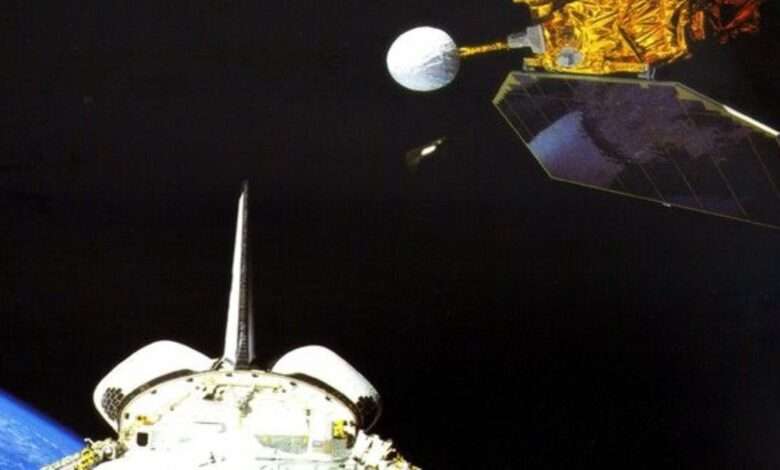
42 Years of Measuring the Sun, the Earth and the Energy in Between
On Jan. 31, 1958, Explorer 1 became the first satellite launched by the United States. Its primary science instrument, a cosmic ray detector, was designed to measure the radiation environment in Earth orbit. Though its final transmission was in May 1958, it continued to revolve around Earth more than 58,000 times. As those looping orbits continued, NASA was busy building…
Read More » -
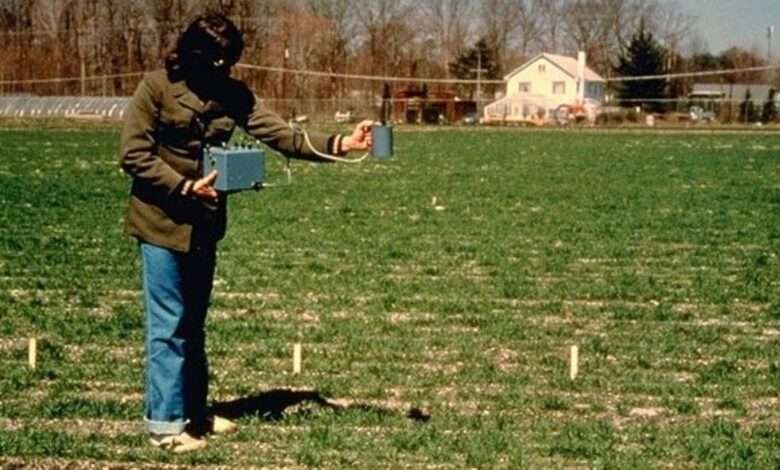
Notes from the Field
NASA scientists are able to study plants from space, but this wasn’t always the case. “I love using satellite data to study the Earth,” says Dr. Compton “Jim” Tucker. When Tucker was a graduate student, he and some friends discovered a new way to study photosynthesis. “We realized that there was a really strong connection with the plant pigment, chlorophyll,…
Read More » -
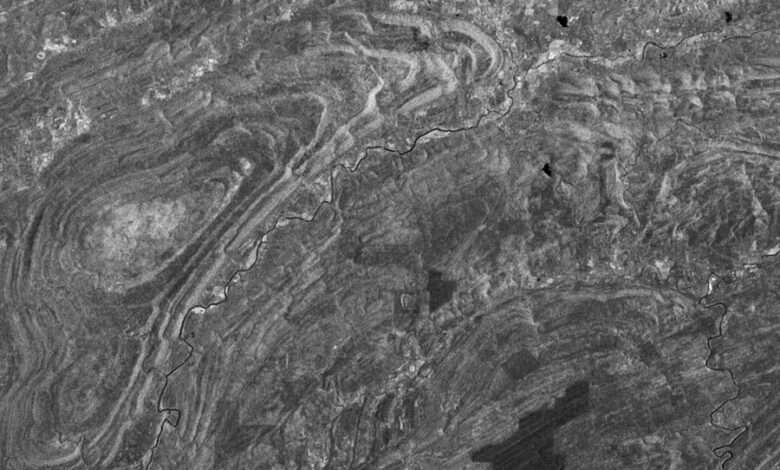
Peering Homeward, 1972
On July 23, 1972 the first civilian satellite designed to image Earth’s land surfaces was launched from Vandenberg Air Force Base in California. On board the satellite, originally named the Earth Resources Technology Satellite (ERTS), but later known as Landsat 1, were two sensors. The primary sensor, called the Return Beam Vidicon (RBV), used three shuttered cameras to take photographs;…
Read More »