
NASA
-
My NASA Experience
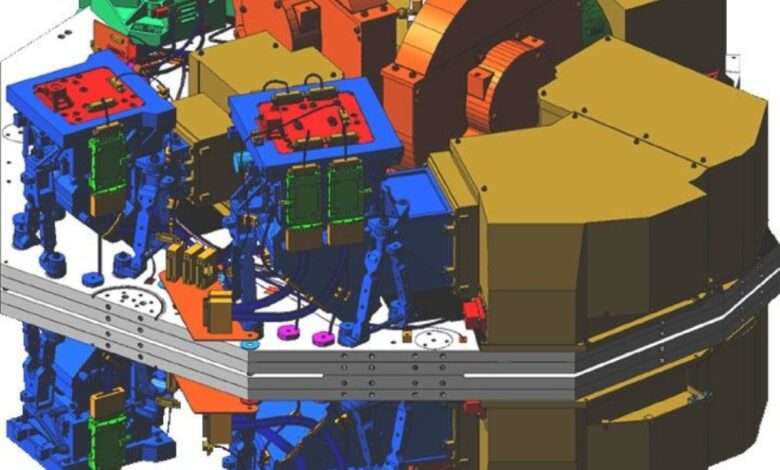
The development of infrared detector arrays is intertwined with my experiences working on NASA projects. As an astronomer at a university, my interactions with NASA all start with a proposal in response to an opportunity. In 1983, near-infrared detector arrays were beginning to attract the attention of astronomers. At the suggestion of Nancy Boggess at NASA Headquarters, we wrote a…
Read More » -
Measuring the Big Bang with the COBE satellite
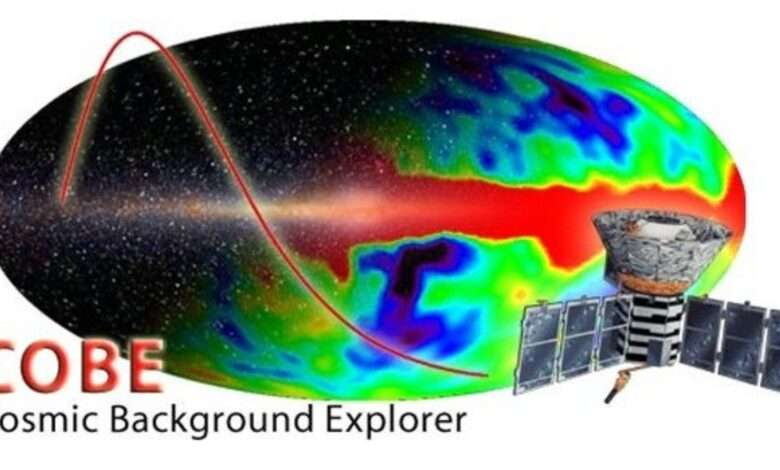
The Cosmic Background Explorer satellite (COBE) went up on a Delta rocket on Nov. 18, 1989, into a polar sun-synchronous orbit 900 km up. Our team at NASA Goddard Space Flight Center (GSFC), Ball Aerospace, the Jet Propulsion Laboratory (JPL) and universities built it to look at the cosmic microwave and infrared background light that comes to us from the…
Read More » -
Perseverance Pinpoints Its Location at ‘Mala Mala’
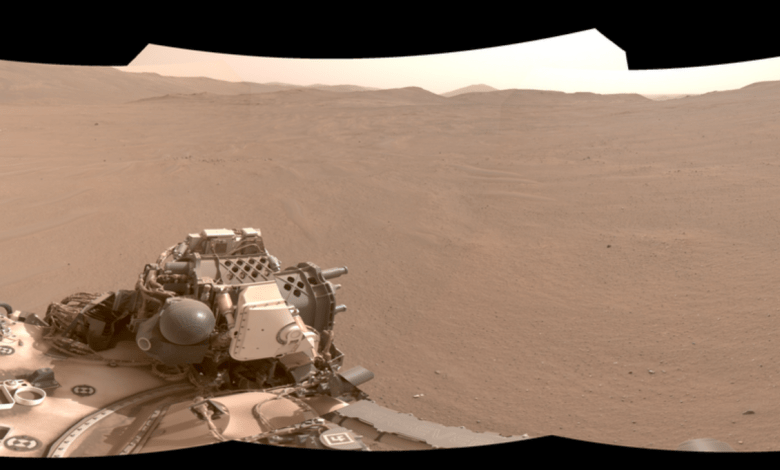
Description Using its navigation cameras, NASA’s Perseverance Mars rover captured the five stereo pairs of images that make up this panorama on Feb. 2, 2026, the 1,762nd day, or sol, of the mission. A new technology called Mars Global Localization matched this 360-degree view to onboard orbital imagery from the agency’s Mars Reconnaissance Orbiter (MRO), enabling the rover to pinpoint…
Read More » -
The Sky Belongs to All of Us
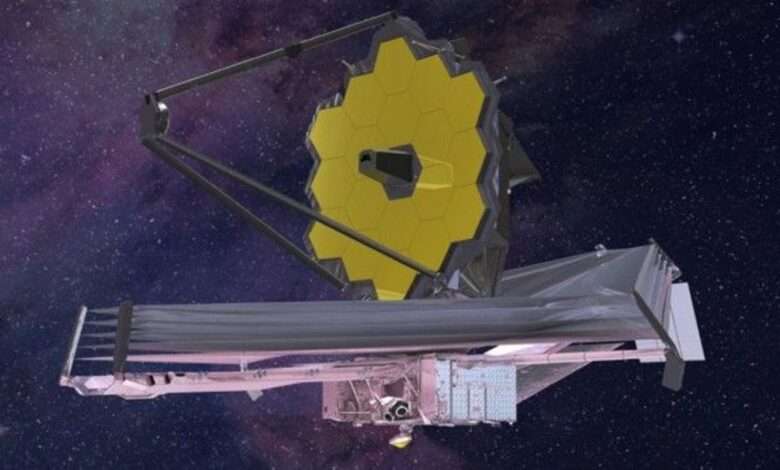
How did a little girl born in India soon after its independence from the British Empire, become a program scientist for NASA’s Hubble Space Telescope, and the first female program scientist for the James Webb Space Telescope, Stratospheric Observatory for Infrared Astronomy (SOFIA), Gravity Probe B, and other astrophysics flight missions? The story starts in October 1957, when I was…
Read More » -

Mars Global Localization Pinpoints Perseverance’s Location
Downloads Mars Global Localization Pinpoints Perseverance’s Location PNG (566.29 KB) PIA26705 animation MP4 (2.77 MB) Description These images were part of the first successful use of a new technology called Mars Global Localization, developed at NASA’s Jet Propulsion Laboratory. Using its navigation cameras, NASA’s Perseverance captured a 360-degree view of the surrounding terrain that was matched to orbital imagery, enabling the…
Read More » -

NASA’s Perseverance Now Autonomously Pinpoints Its Location on Mars
There is no GPS at the Red Planet, but a new technology called Mars Global Localization lets Perseverance determine precisely where it is — without human help. Imagine you’re all alone, driving along in a rocky, unforgiving desert with no roads, no map, no GPS, and no more than one phone call a day for someone to inform you exactly…
Read More » -
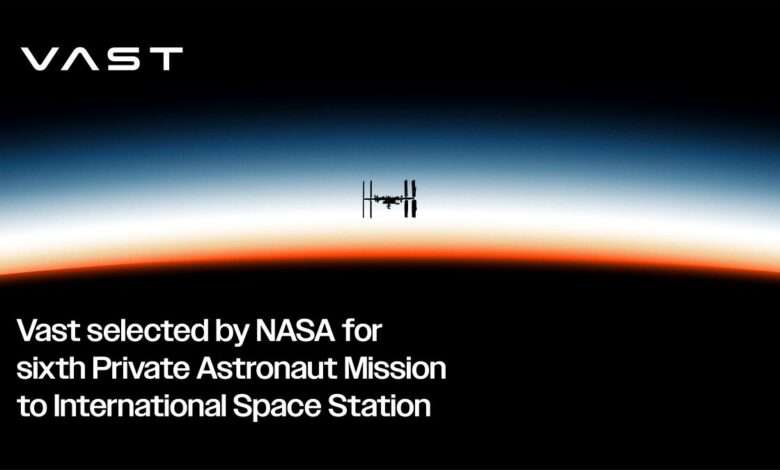
Vast Selected by NASA for Sixth Private Astronaut Mission to International Space Station
Vast, the company developing next-generation space stations, has signed an order with NASA for the sixth private astronaut mission to the International Space Station, targeted to launch no earlier than summer 2027 from Florida. It is Vast’s first private astronaut mission to the space station in partnership with NASA. “Leveraging the remaining life of the International Space Station with science…
Read More » -

Fishing Boats and City Lights
Fishing boats illuminate the Arabian Sea along India’s west coast with green lights designed to attract squid, shrimp, sardines, and mackerel in this nighttime photograph from the International Space Station, orbiting 259 miles above Earth on Dec. 25, 2025. Studying nighttime light offers a unique perspective for investigations into human behaviors, such as tracking the expansion of urban areas or…
Read More » -

I Am Artemis: Katie Oriti
Growing up in rural America, Katie Oriti could only dream of working for NASA. Not because she wasn’t inspired by the dark, star-filled skies of her hometown Shelby, Ohio, but because it felt out of reach. “I think NASA was always in the back of my mind because I had an interest in space,” said Oriti, manager for the Orion…
Read More » -
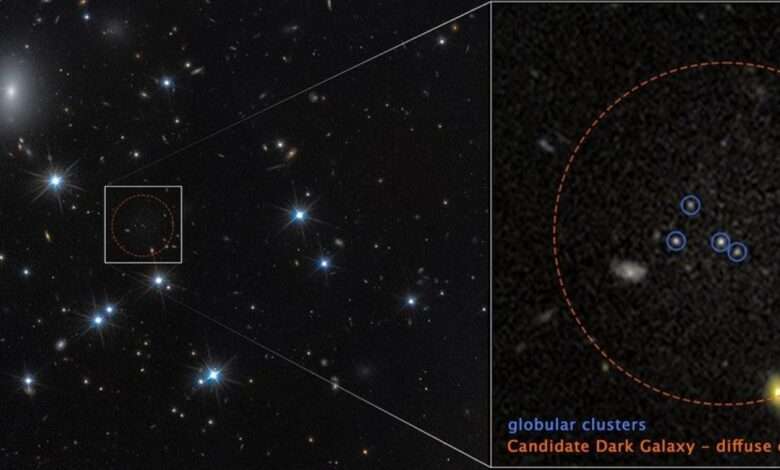
NASA’s Hubble Identifies One of Darkest Known Galaxies
In the vast tapestry of the universe, most galaxies shine brightly across cosmic time and space. Yet a rare class of galaxies remains nearly invisible — low-surface-brightness galaxies dominated by dark matter and containing only a sparse scattering of faint stars. One such elusive object, dubbed CDG-2, may be among the most heavily dark matter-dominated galaxies ever discovered. (Dark matter…
Read More »