
Astronomy Picture of the Day
-
NASA
Astronomy Picture of the Day
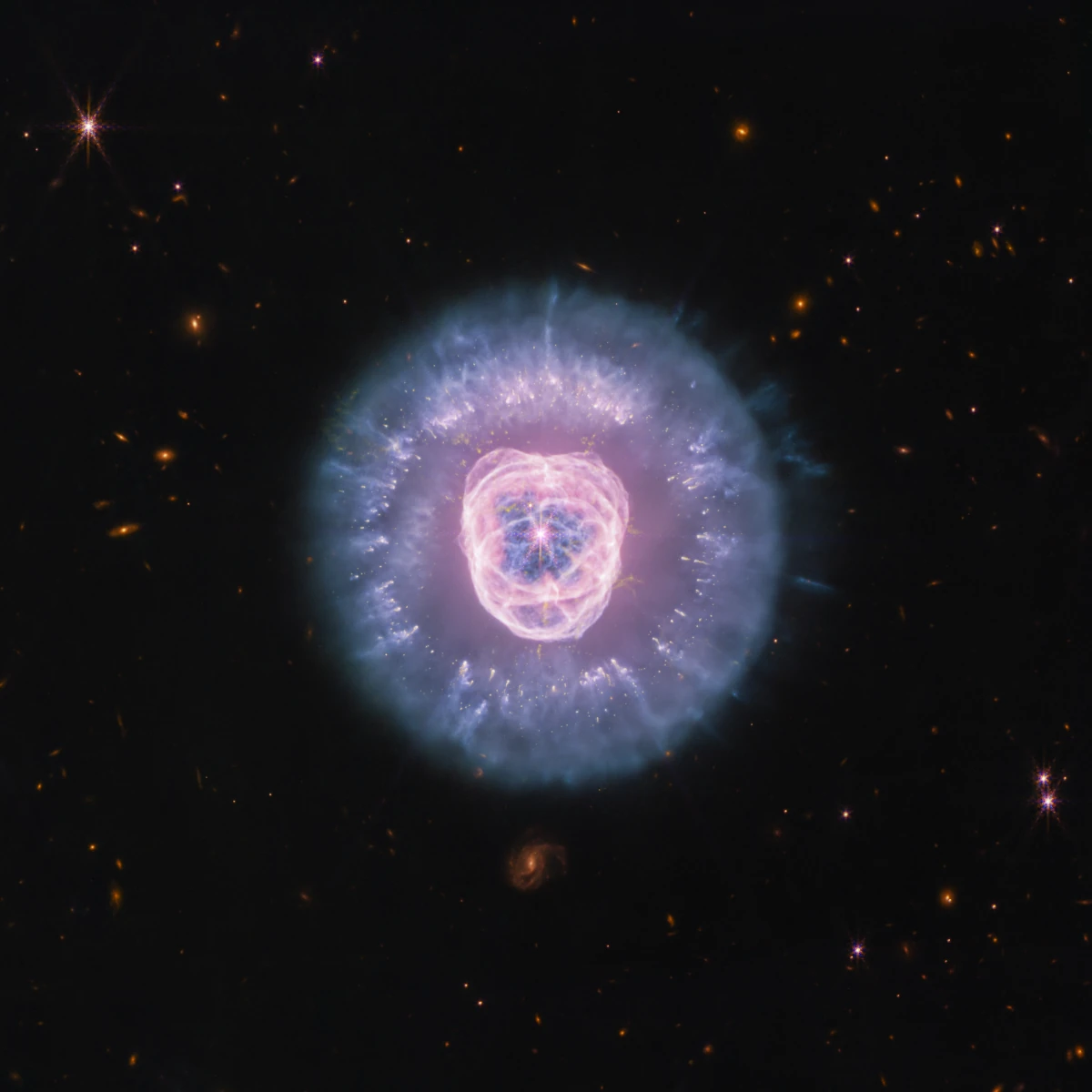
JWST Images The Lion’s Head Nebula Explanation: Are we looking at the future of our Sun? The James Webb Space Telescope captured today’s composite image of the Lion’s Head Nebula (NGC 2392) with its NIRCam and MIRI instruments. The Lion’s Head Nebula is the remnant of a Sun-like star. This star was unable to sustain the nuclear fusion in its core needed to remain stable. It began to shed layers of gas and…
Read More » -
NASA
Astronomy Picture of the Day
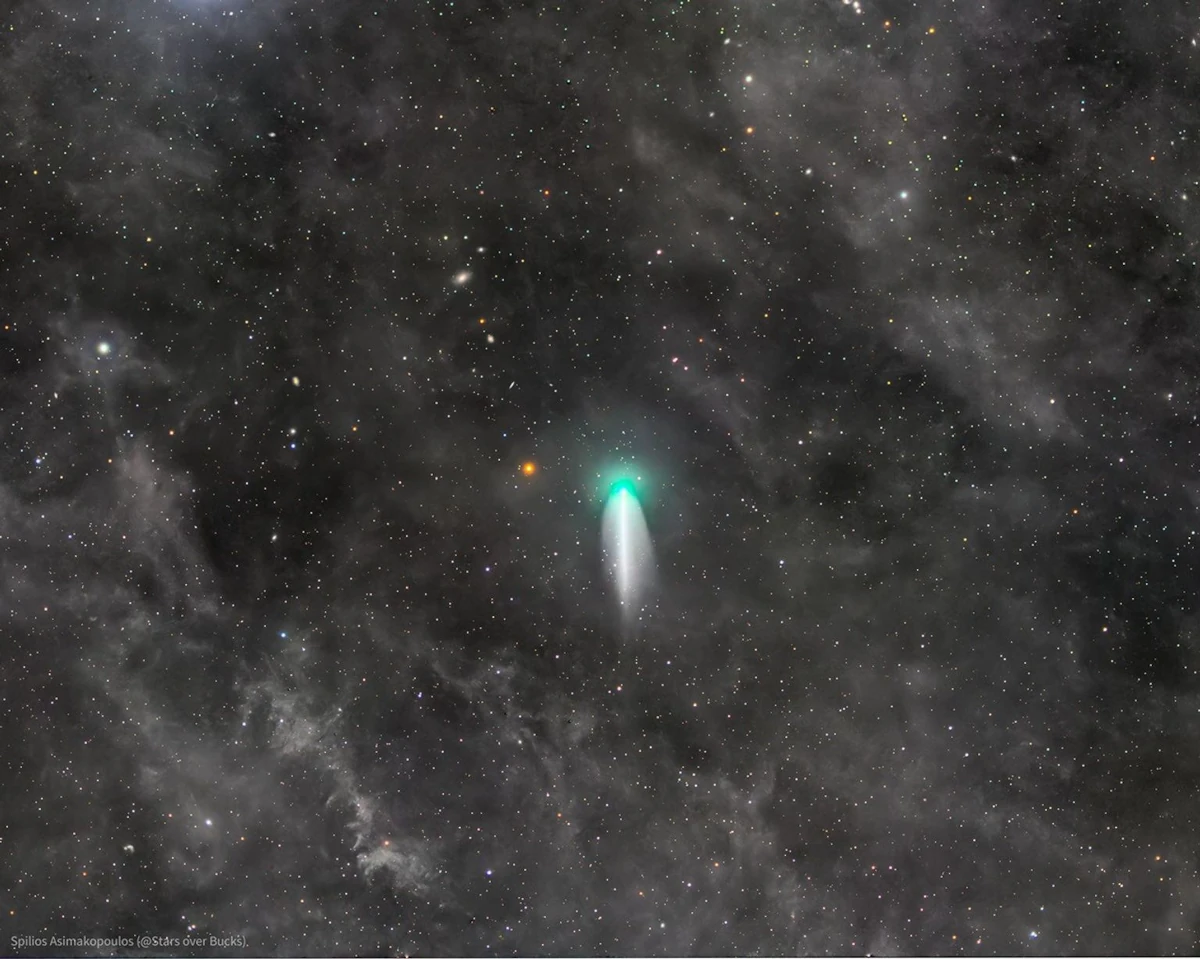
Comet 220P in Outburst Explanation: Comet 220P is unexpectedly bright. Normally, periodic Comet 220P/McNaught is so dim that to see it requires a telescope. Two surprising outbursts this year, however, have made it about 20,000 times brighter than usual, so that it is now visible with binoculars and long-duration camera exposures. As expected, Comet 220P continues to orbit the Sun between Mars and Jupiter with a period of over 5…
Read More » -
NASA
Astronomy Picture of the Day
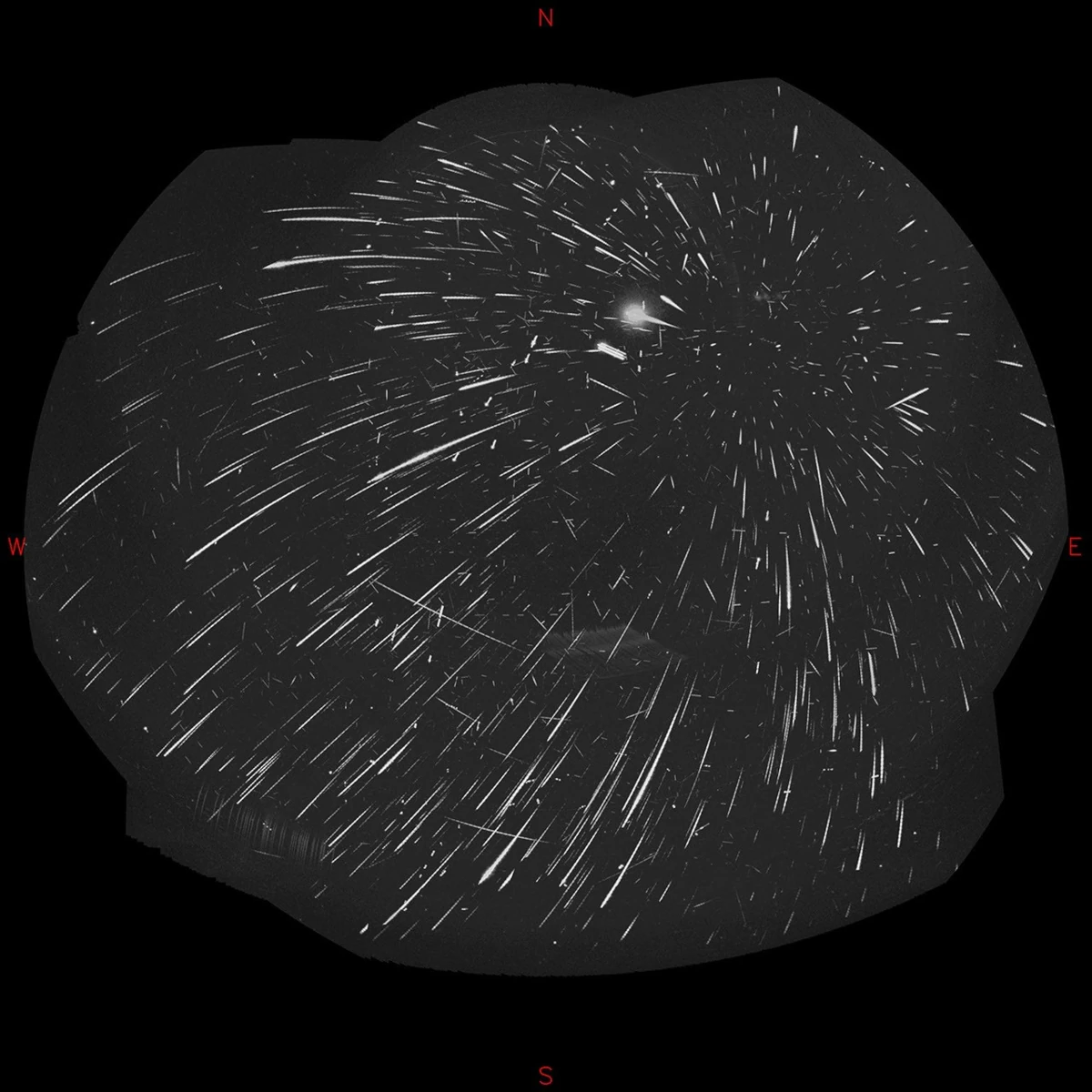
Mostly Perseids Explanation: Recorded the night of August 12-13, images from four dedicated meteor-monitoring cameras at an astronomical observatory in Czechia were aligned and combined to create this all-night, all-sky view. On that night, the total count came to 1,706 meteors. And since that coincided with the peak activity of the 2026 Perseid Meteor Shower, most are perseids. Their overwhelming numbers make them easy to…
Read More » -
Press Releases
Astronomy Picture of the Day
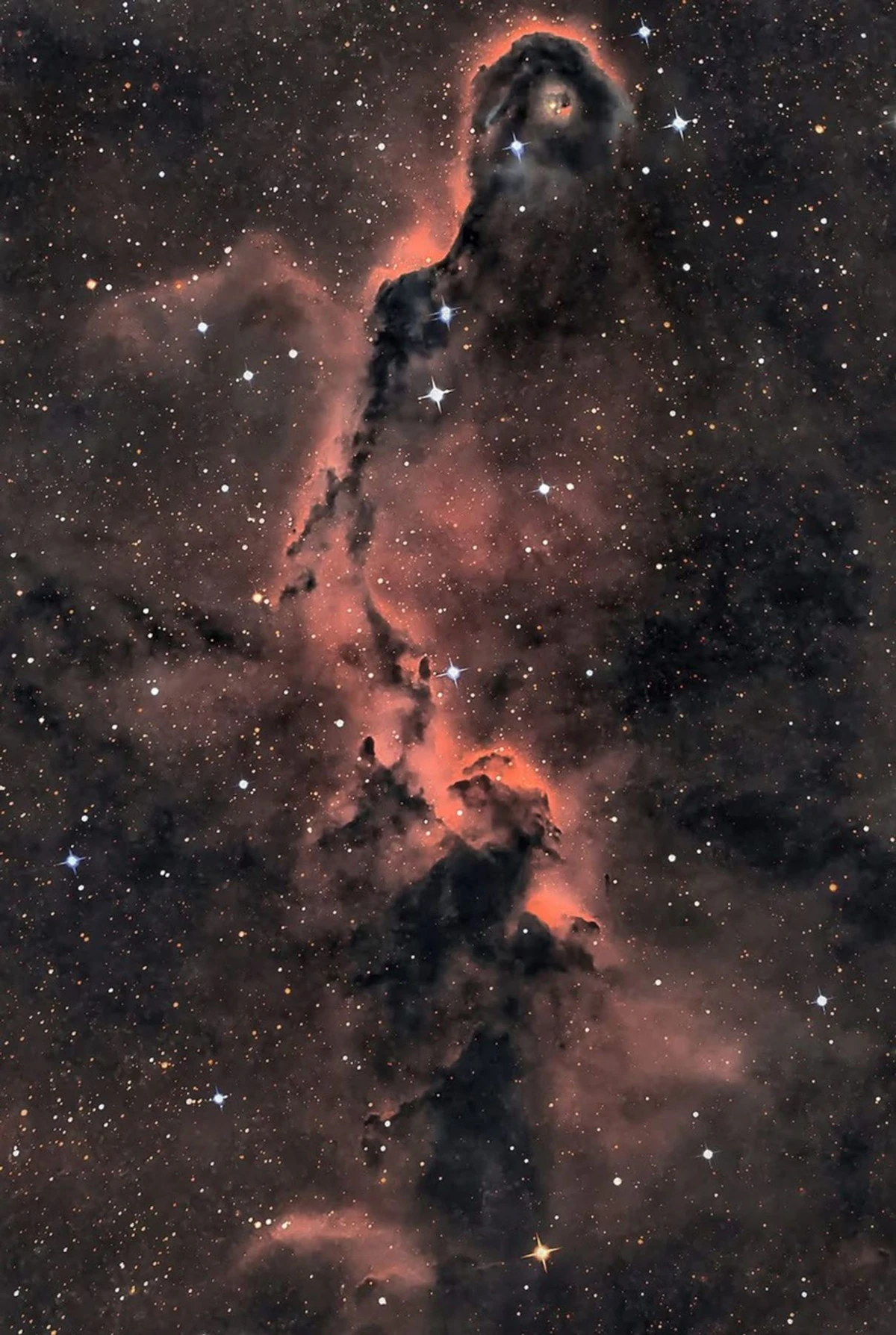
The Elephant’s Trunk in Cepheus Explanation: Like an illustration in a galactic Just So Story, the Elephant’s Trunk Nebula winds through the emission region and young star cluster complex IC 1396, in the high and far off constellation of Cepheus. Also known as vdB 142, this cosmic elephant’s trunk is over 20 light-years long. The detailed telescopic view features the bright swept-back ridges and pockets…
Read More » -
NASA

Astronomy Picture of the Day
The Case of the Mysterious Maybe Meteor Explanation: Whatdunit? What disappeared while crossing a partially eclipsed Sun? Let’s present the evidence. The 24 frames-per-second video was taken in Spain (40°34’30.3″N 1°12’28.8″W) at 20:28 local time on August 12, 2026. The Perseids meteor shower was at its peak during this time. Is this a meteor? Meteor showers trace back to a region of the sky called a radiant…
Read More » -
NASA
Astronomy Picture of the Day
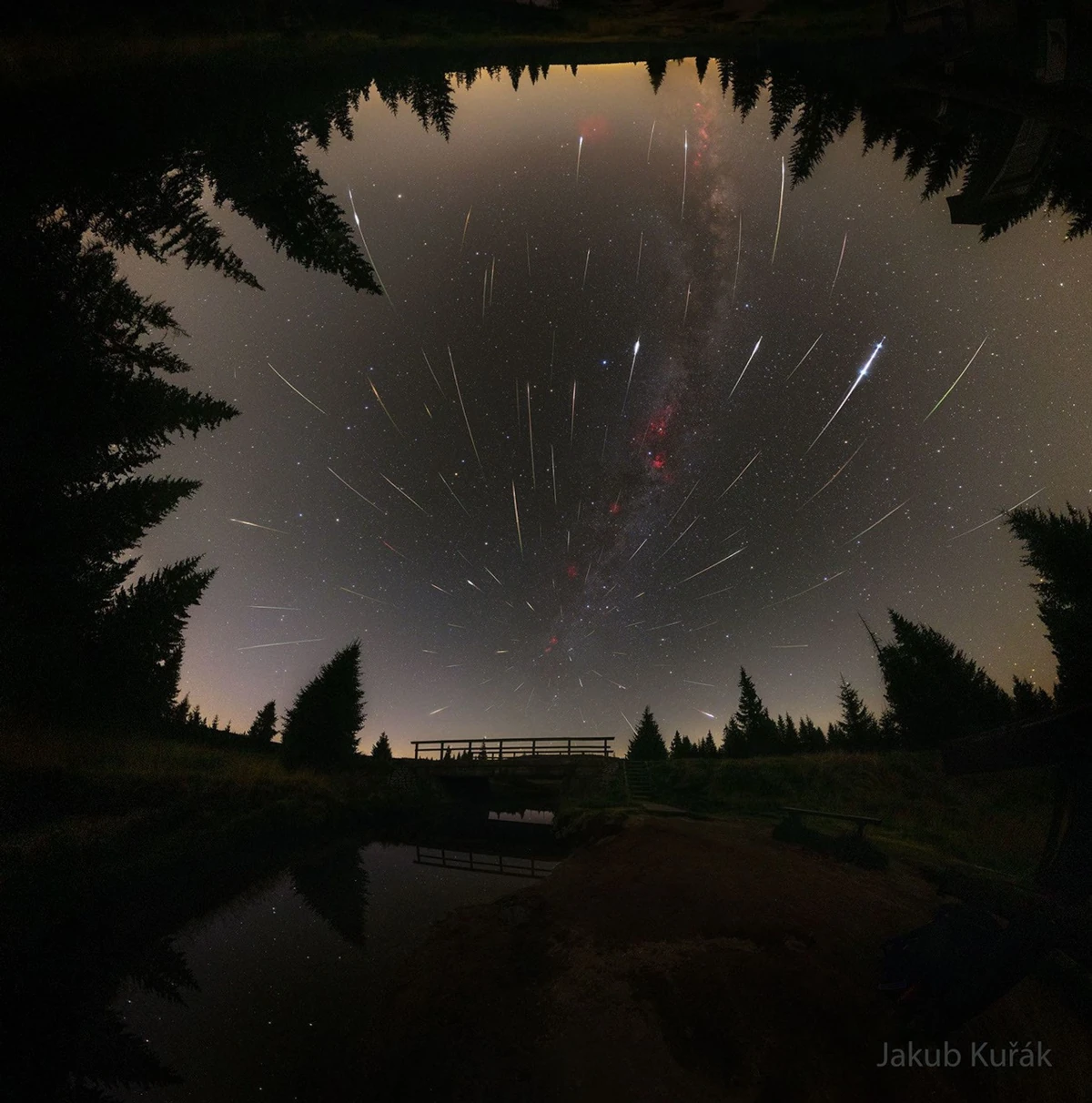
Perseids from Perseus Explanation: This was a good year for the Perseids meteor shower. A key reason was the Moon was absent from lighting up Earth’s night sky so that more meteors were visible than usual. Where was the Moon? It was busy visiting the Sun. Near the Perseids peak, the Moon moved directly in front of the Sun and created a total solar eclipse visible from Greenland and Spain. The Perseids occur when the Earth…
Read More » -
NASA
Astronomy Picture of the Day
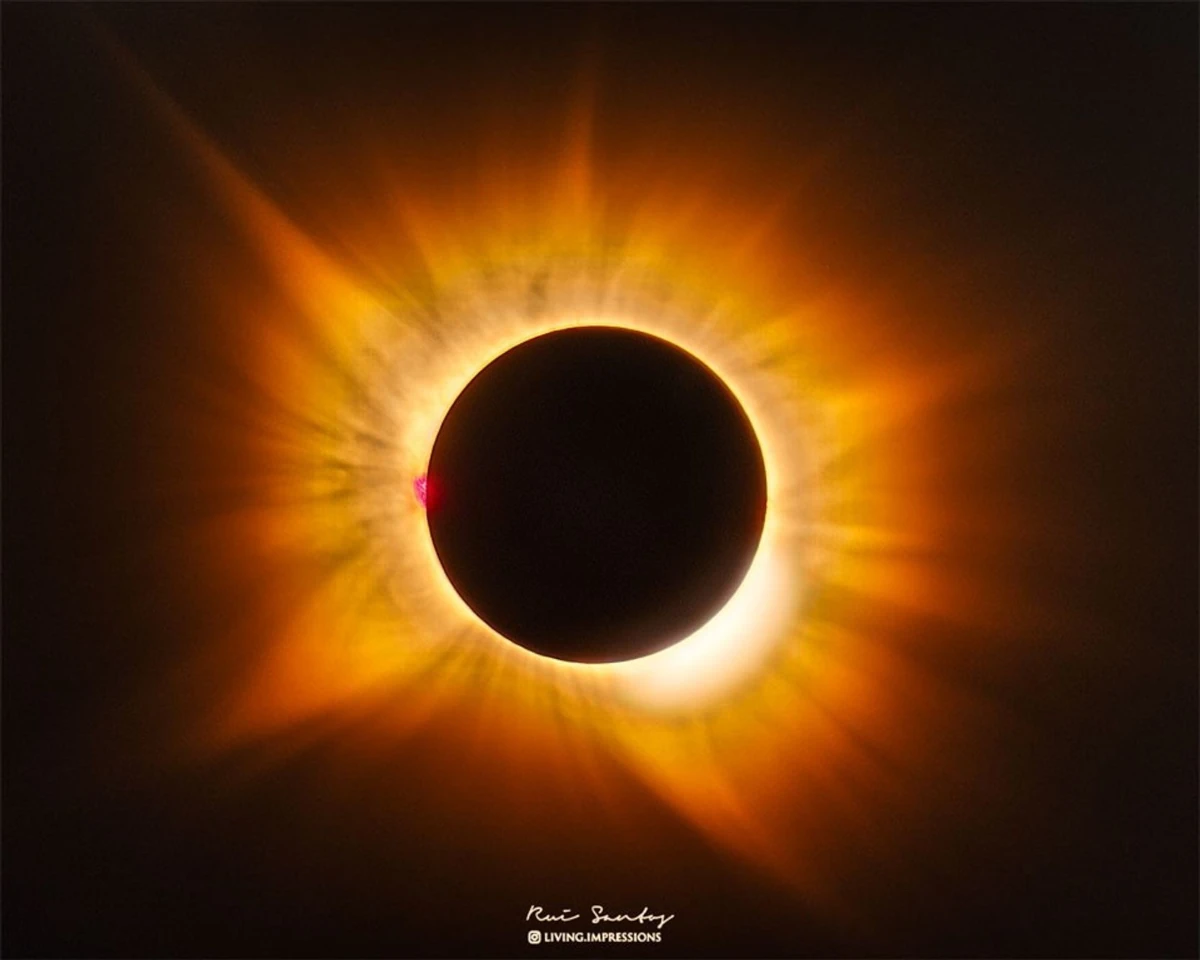
A Golden Corona Eclipse Explanation: This total solar eclipse appeared not only poetically beautiful but scientifically interesting. Usually the solar corona appears white, and to some observers the corona of last week’s total solar eclipse did appear this pearly color. But this time, totality observers in Spain saw a corona that appeared unusually golden. For one reason, from Spain, the totality occurred when the setting…
Read More » -
NASA
Astronomy Picture of the Day
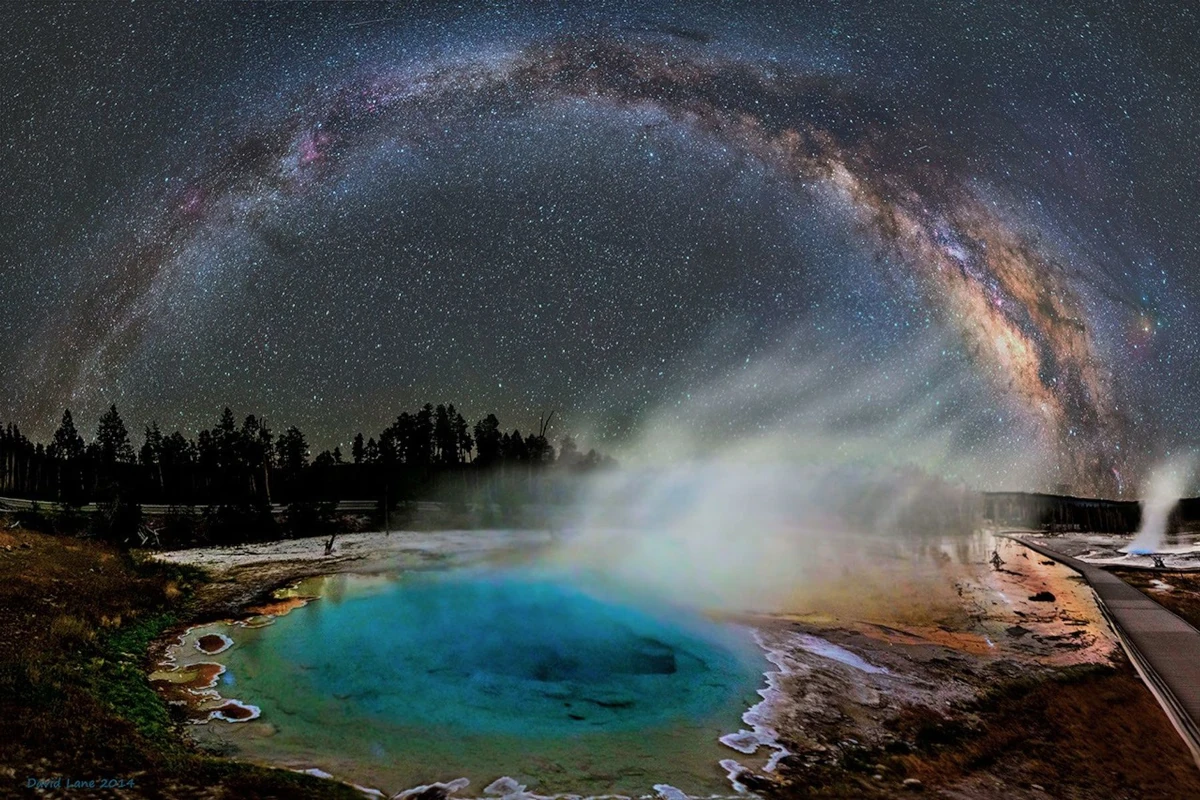
Milky Way over Yellowstone Explanation: The Milky Way was not created by an evaporating lake. The colorful pool of water, about 10 meters across, is known as Silex Spring and is located in Yellowstone National Park in Wyoming, USA. Illuminated artificially, the colors are caused by layers of bacteria that grow in the hot spring. Steam rises off the spring, heated by underground magma associated with the Yellowstone Hotspot. Unrelated and far in the…
Read More » -
NASA
Astronomy Picture of the Day
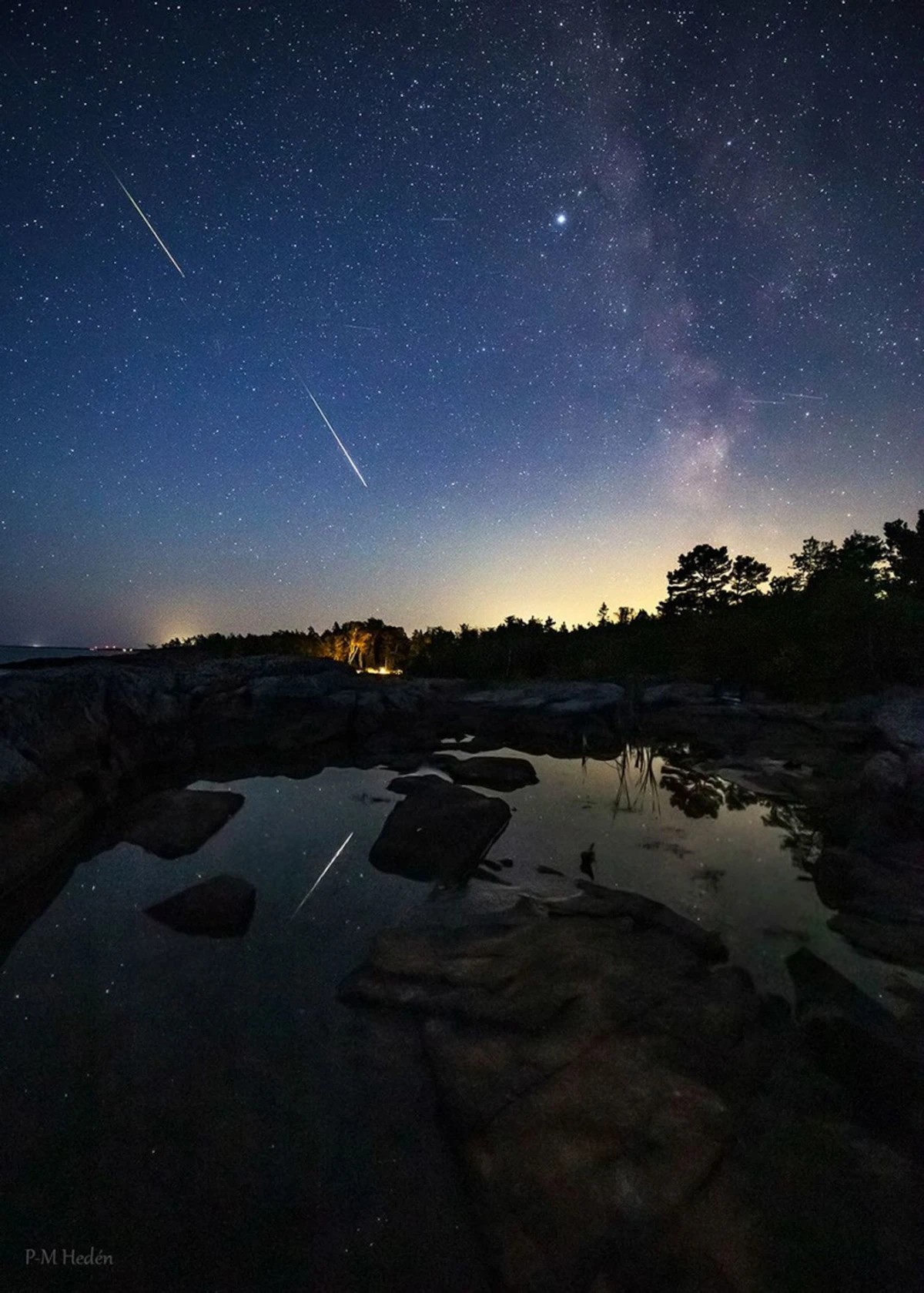
Bright Perseids from Sweden Explanation: Known for its bright and fast meteors, the annual Perseid Meteor Shower comes to planet Earth’s skies from a radiant in the heroic constellation Perseus. The popular northern summer celestial spectacle is created as grains of dust cast off along the orbit of periodic comet 109P/Swift-Tuttle vaporize in Earth’s dense atmosphere, tracing brief, but beautiful streaks through the night. Taken near the shower’s peak of…
Read More » -
NASA
Astronomy Picture of the Day
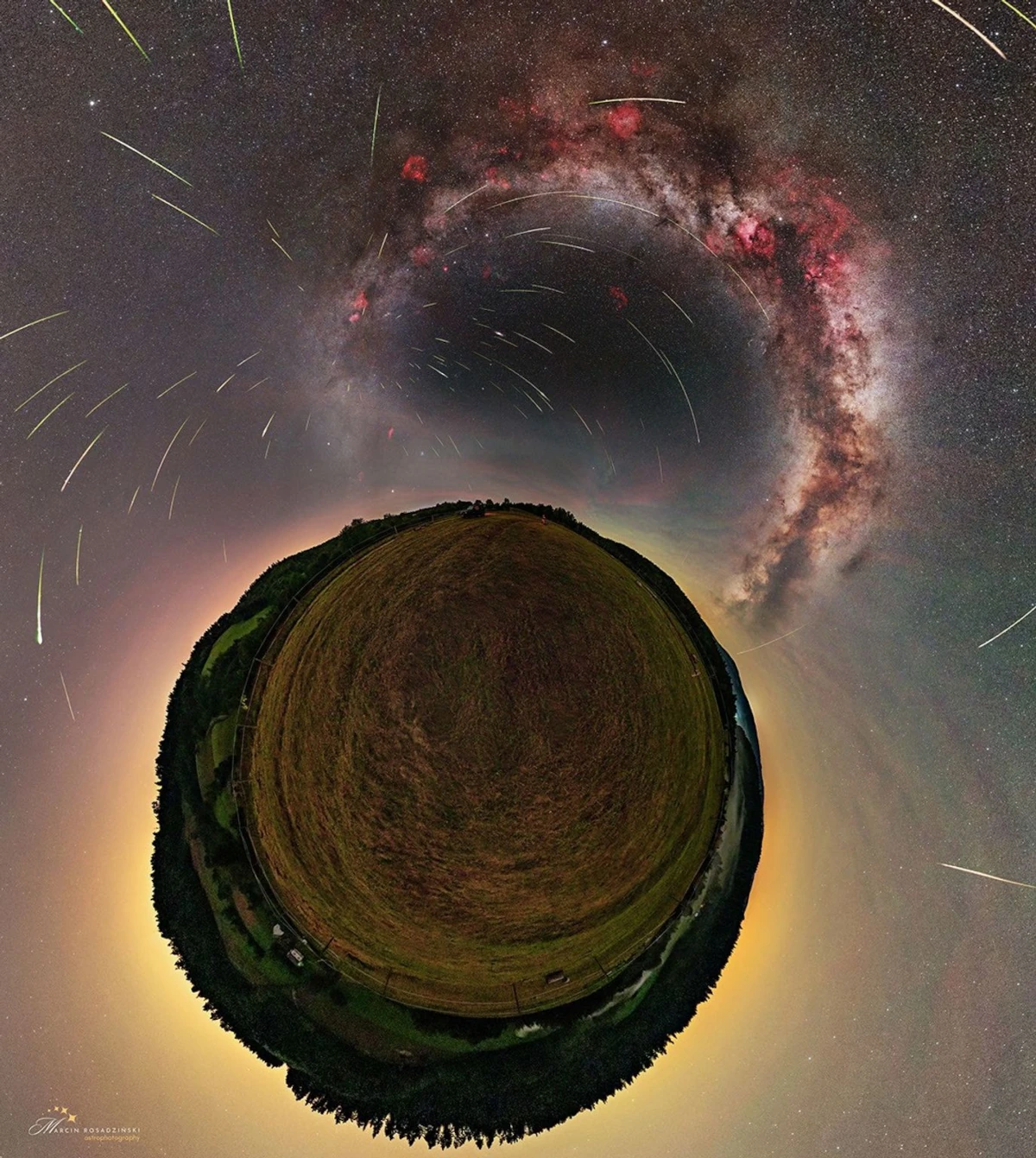
Perseids over a Little Planet Explanation: It looks like a view from the Little Prince‘s planet. The featured image is a throwback to the 2024 Perseid meteor shower, surrounded in this projection by the Bieszczady Mountains in Poland. Visible in the sky is the arch of the Milky Way, along with several nebulas in red and over a hundred meteors pointing to the radiant. The Perseids are easily visible and quite popular in the Northern Hemisphere…
Read More »