
NASA
-
NASA
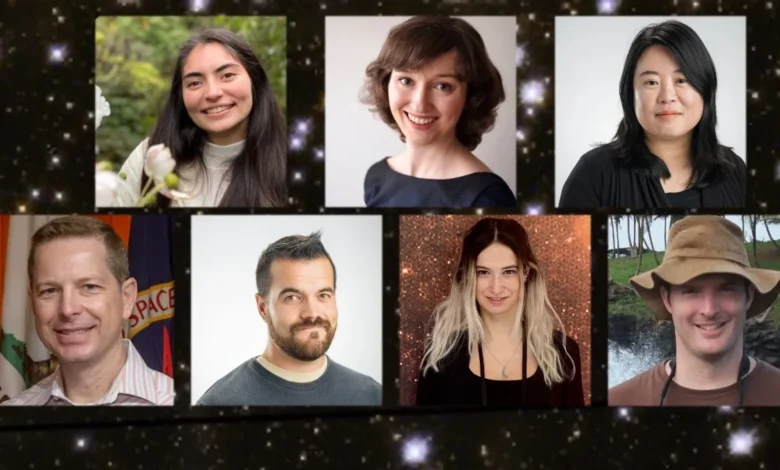
NASA Ames Stars of the Month: September 2026
The NASA Ames Science Directorate recognizes the outstanding contributions of (pictured left to right) Steve Ormsby, Aphrodite Kostakis, Alejando Borlaff, Sarah Nickerson, Martina Caussi, Keiko Nomura, and Stephen Broccardo. Their commitment to the NASA mission represents the entrepreneurial spirit, technical expertise, and collaborative disposition needed to explore this world and beyond. Space Biosciences Star: Steve Ormsby Steve Ormsby is a…
Read More » -
NASA
NASA Invites Media to International Observe the Moon Night
NASA will host an International Observe the Moon Night celebration from 5:30 to 8 p.m. CST on Saturday, Sept. 19, at the U.S. Space & Rocket Center, the official visitor center for NASA’s Marshall Space Flight Center in Huntsville, Alabama. International Observe the Moon Night celebrates the Moon, the science behind it, and its connection to space exploration and human…
Read More » -
NASA
Celebrate International Observe the Moon Night with NASA
In April, the world watched as four humans circled the Moon for the first time in over 50 years with NASA’s Artemis II mission. On Saturday, Sept. 19, the public is invited to look up again with NASA events across the country, including the International Observe the Moon Night celebration held at NASA’s Goddard Space Flight Center Visitor Center in…
Read More » -
NASA
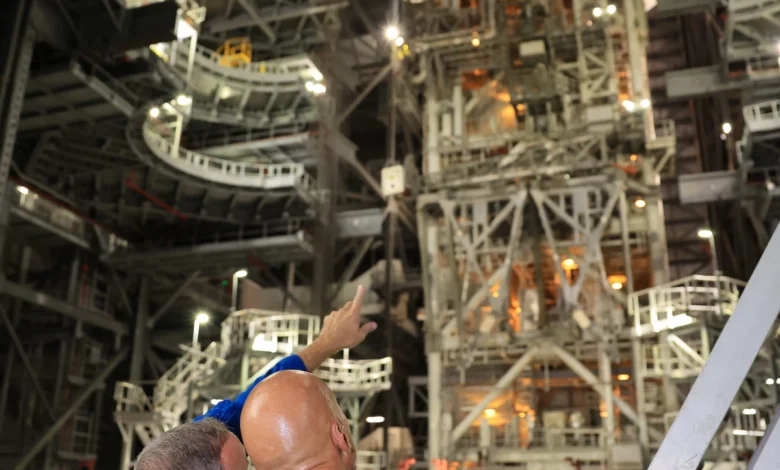
Artemis III Crew Visits NASA Kennedy’s Vehicle Assembly Building
NASA astronaut Randy Bresnik (left) and ESA (European Space Agency) astronaut Luca Parmitano view progress on the solid rocket booster integration in High Bay 3 inside the Vehicle Assembly Building at NASA’s Kennedy Space Center in Florida on Wednesday, Sept. 2, 2026. Bresnik, Parmitano, and NASA astronauts Andre Douglas, Frank Rubio, and Bob Hines made the first visit to Kennedy…
Read More » -
NASA
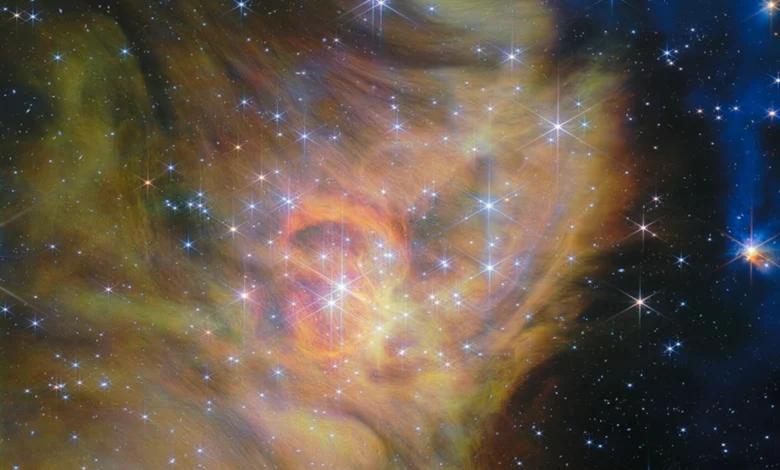
NASA’s Webb Reveals Dynamic Panorama of Star Formation
This starry view of the nearby star-forming region IC 348 is one of the largest images released to date from NASA’s James Webb Space Telescope. Using Webb, astronomers searched IC 348 for brown dwarfs, which are less massive than the smallest stars. The researchers discovered brown dwarfs just twice the mass of Jupiter, bringing the study of these curious objects…
Read More » -
NASA
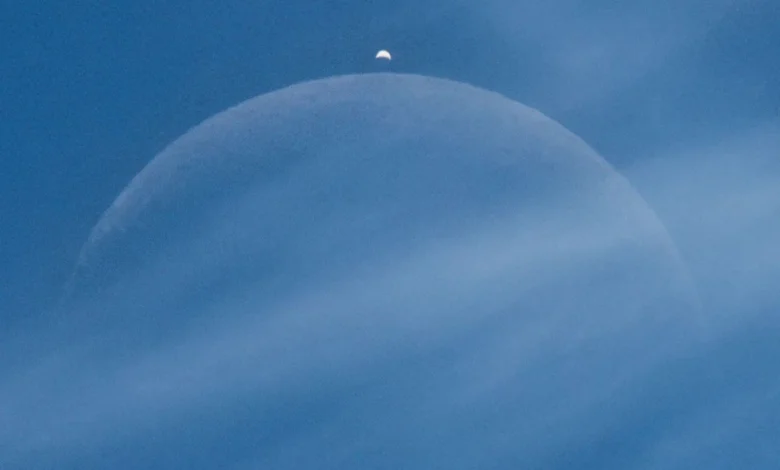
Astronomy Picture of the Day
A Daytime Eclipse: Moon Occults Venus There was something behind the clouds. Upon close inspection, it was the Moon, which was hard to see yesterday around noon above the small village of Cessy, France. But soon, it was not only the Moon. As expected, a bright dot suddenly appeared from behind the Moon — the planet Venus far in the…
Read More » -
NASA
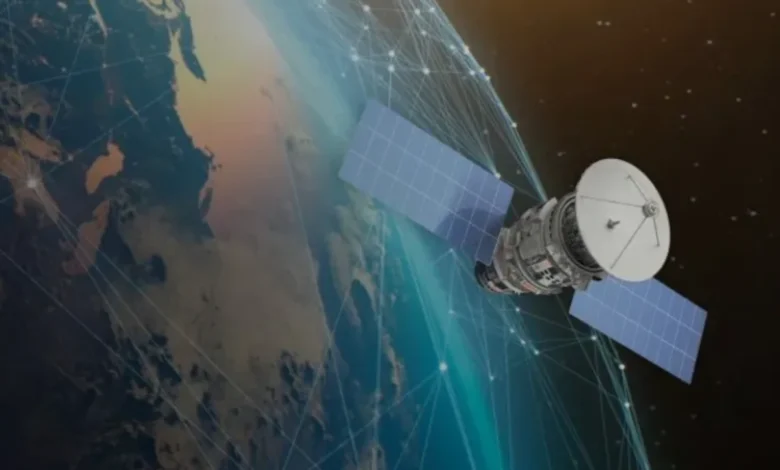
Webinar 9/23: NASA CSDA Program Update 2026
NASA’s Commercial Satellite Data Acquisition Program is a science‑enabling program that provides licensed access to high‑quality commercial Earth observation data, strengthens data quality through calibration/validation (cal/val) partnerships and transparent evaluations, and funds the development of science and application use cases to help turn commercial data into actionable research and applied solutions. The program augments NASA’s gold standard fleet of freely…
Read More » -
NASA
New Crops, Health Research Proposals to Help NASA Advance Exploration
NASA has selected 12 new investigations to help support human explorers in space. Six will help advance the ability to produce food off-planet, while another six advance the understanding of how unique conditions associated with space exploration can impact the health and physiology of astronauts. The six food-focused investigations, supported by the agency’s Space Crops grants, advance NASA’s goal…
Read More » -
NASA
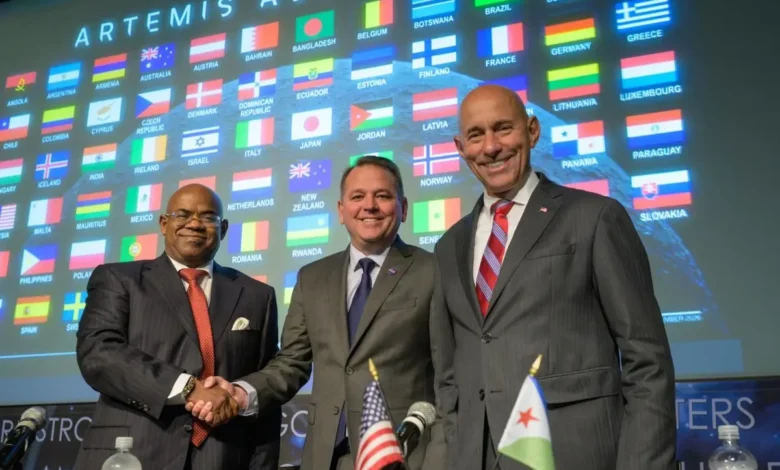
NASA Welcomes Djibouti as Newest Artemis Accords Signatory
The Republic of Djibouti became the 72nd nation and eighth African country to sign the Artemis Accords during a ceremony Monday at NASA Headquarters in Washington. The Artemis Accords are the first set of practical principles aimed at enhancing transparency, safety, and coordination among nations as they explore the Moon, Mars, and beyond. “Djibouti joins this coalition of like-minded nations…
Read More » -
NASA

NASA Kicks Off Inspiration Tour with Steelers vs. Falcons Game
Fans pose for a photo with an astronaut in the NASA Experience Zone at an NFL game between the Pittsburgh Steelers and the Atlanta Falcons at Acrisure Stadium, Sunday, Sept. 13, 2026, in Pittsburgh, Pennsylvania. NASA’s engagement at NFL games is part of the agency’s Inspiration Tour, aimed at strengthening connections between NASA and its partners and showcasing innovation in…
Read More »