
Supersonic
-
NASA
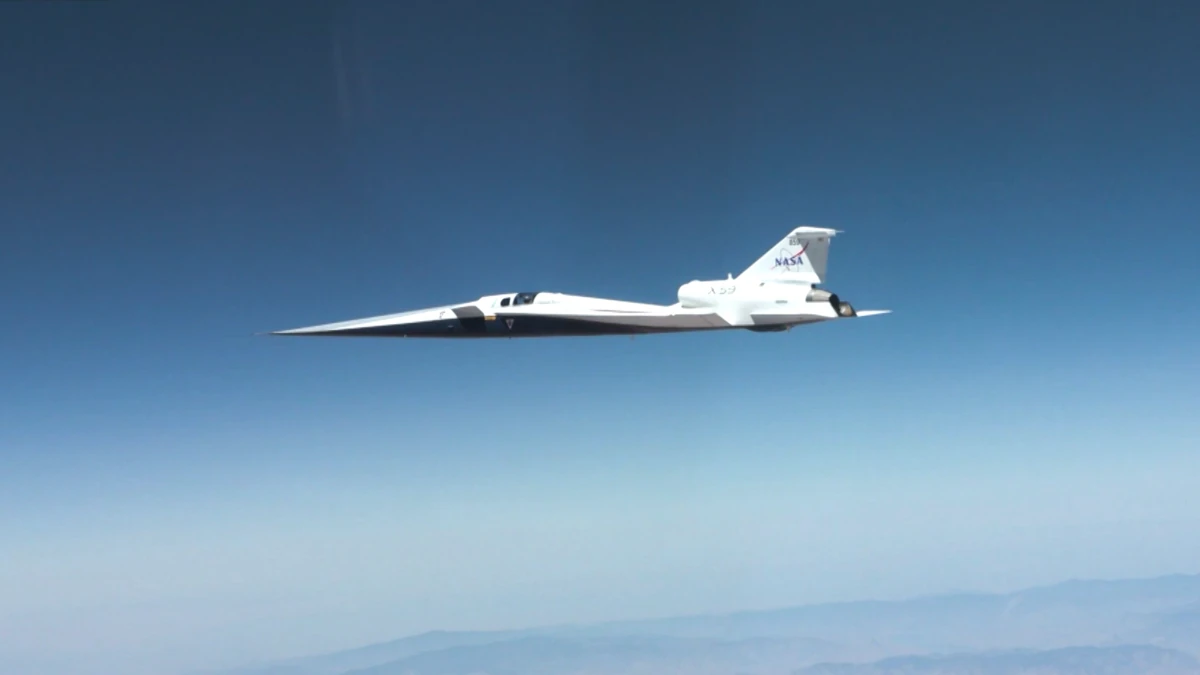
Supersonic!
On June 5, 2026, NASA’s experimental X-59 aircraft flew faster than the speed of sound for the first time, setting the stage for demonstrating its quiet supersonic capabilities later this year. NASA test pilot Jim “Clue” Less took off and landed at Edwards Air Force Base in California, reaching a top speed of approximately Mach 1.1 (713 mph). The flight lasted 81 minutes, with the team focusing on flying qualities at both subsonic and then supersonic speeds.…
Read More » -
NASA
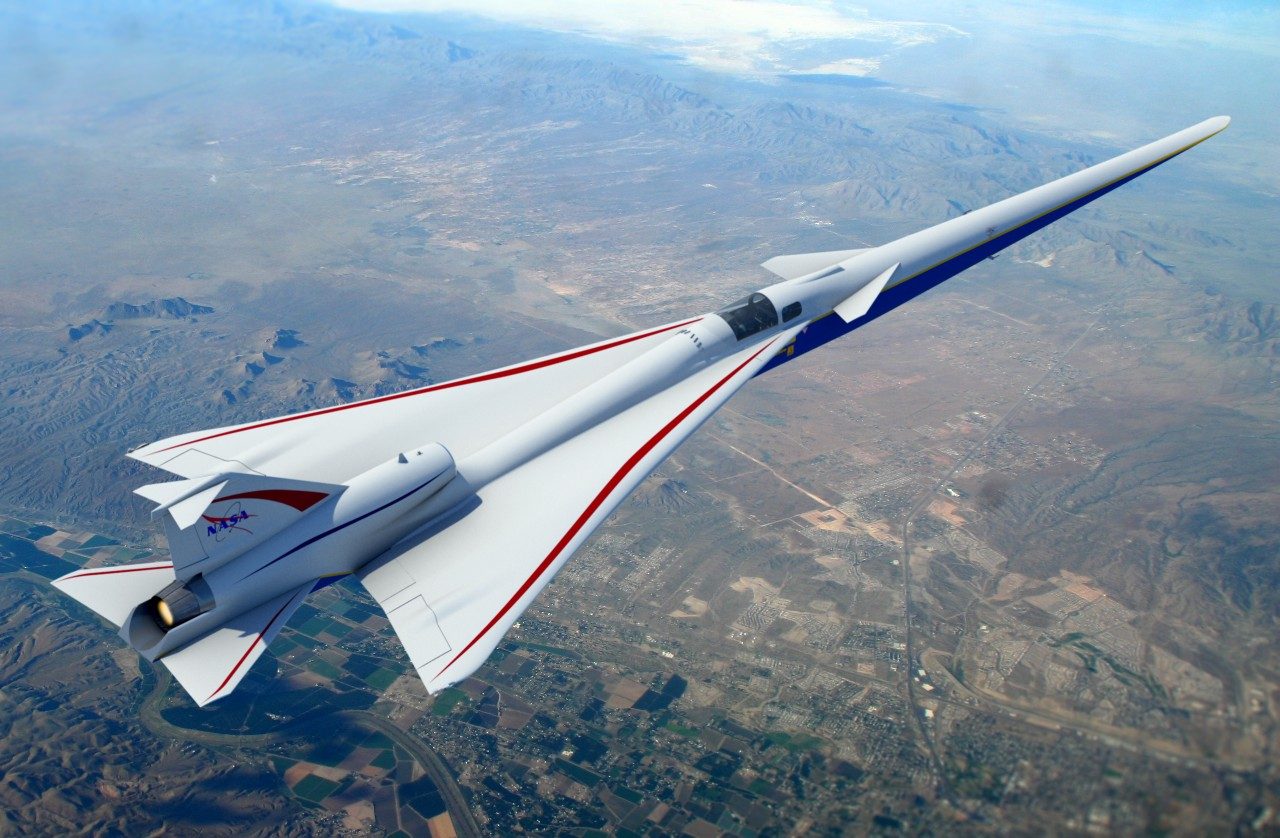
NASA’s X-59 Prepares for First Supersonic Flight
NASA’s X-59 quiet supersonic research aircraft is preparing for some of its most significant flights yet. The X-plane is about to begin a new block of test flights that will include its first time flying faster than the speed of sound and other mission-critical objectives. “What comes next is the first time this one-of-a-kind aircraft will fly supersonic,” said Cathy…
Read More » -
NASA

NASA’s X-59 Completes ‘Cruise Control’ Engine Speed Hold Test
Lee esta historia en español aquí. The team behind NASA’s X-59 completed another critical ground test in March, ensuring the quiet supersonic aircraft will be able to maintain a specific speed during operation. The test, known as engine speed hold, is the latest marker of progress as the X-59 nears first flight this year. “Engine speed hold is essentially the aircraft’s…
Read More » -
NASA
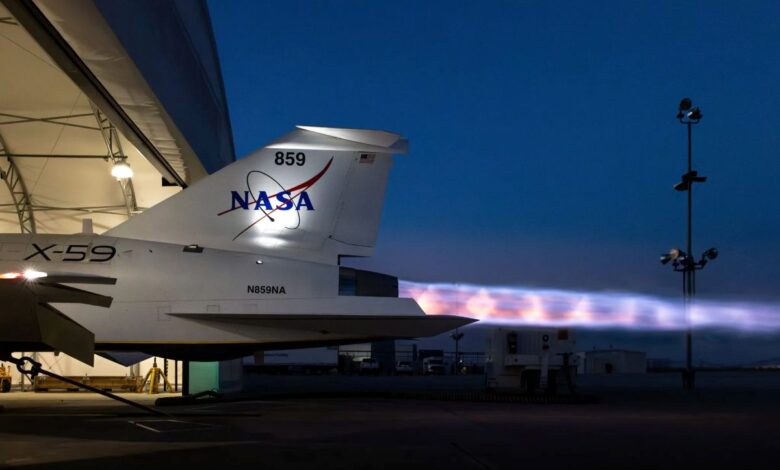
NASA’s X-59 Turns Up Power, Throttles Through Engine Tests
NASA’s X-59 quiet supersonic research aircraft took another successful step toward flight with the conclusion of a series of engine performance tests. In preparation for the X-59’s planned first flight this year, NASA and Lockheed Martin successfully completed the aircraft’s engine run tests in January. The engine, a modified F414-GE-100 that powers the aircraft’s flight and integrated subsystems, performed to…
Read More » -
NASA
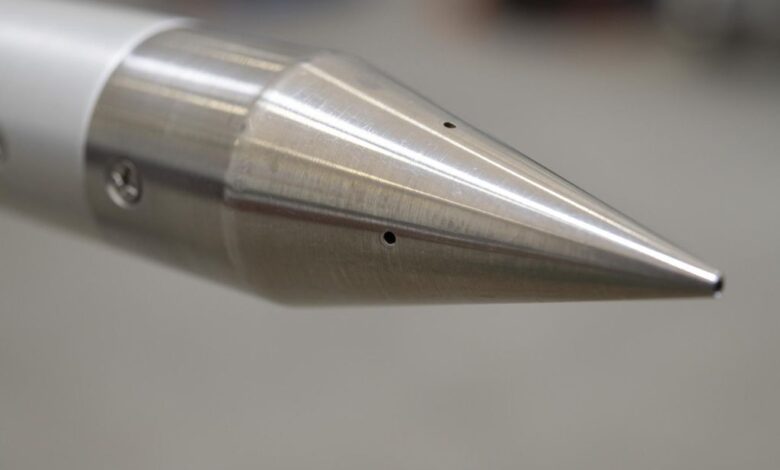
NASA to Test Technology for X-59’s Unique Shock Wave Measurements
NASA will soon test advancements made on a key tool for measuring the unique “sonic thumps” that its quiet supersonic X-59 research aircraft will make while flying. A shock-sensing probe is a cone-shaped air data probe developed with specific features to capture the unique shock waves the X-59 will produce. Researchers at NASA’s Armstrong Flight Research Center in Edwards, California,…
Read More » -
NASA
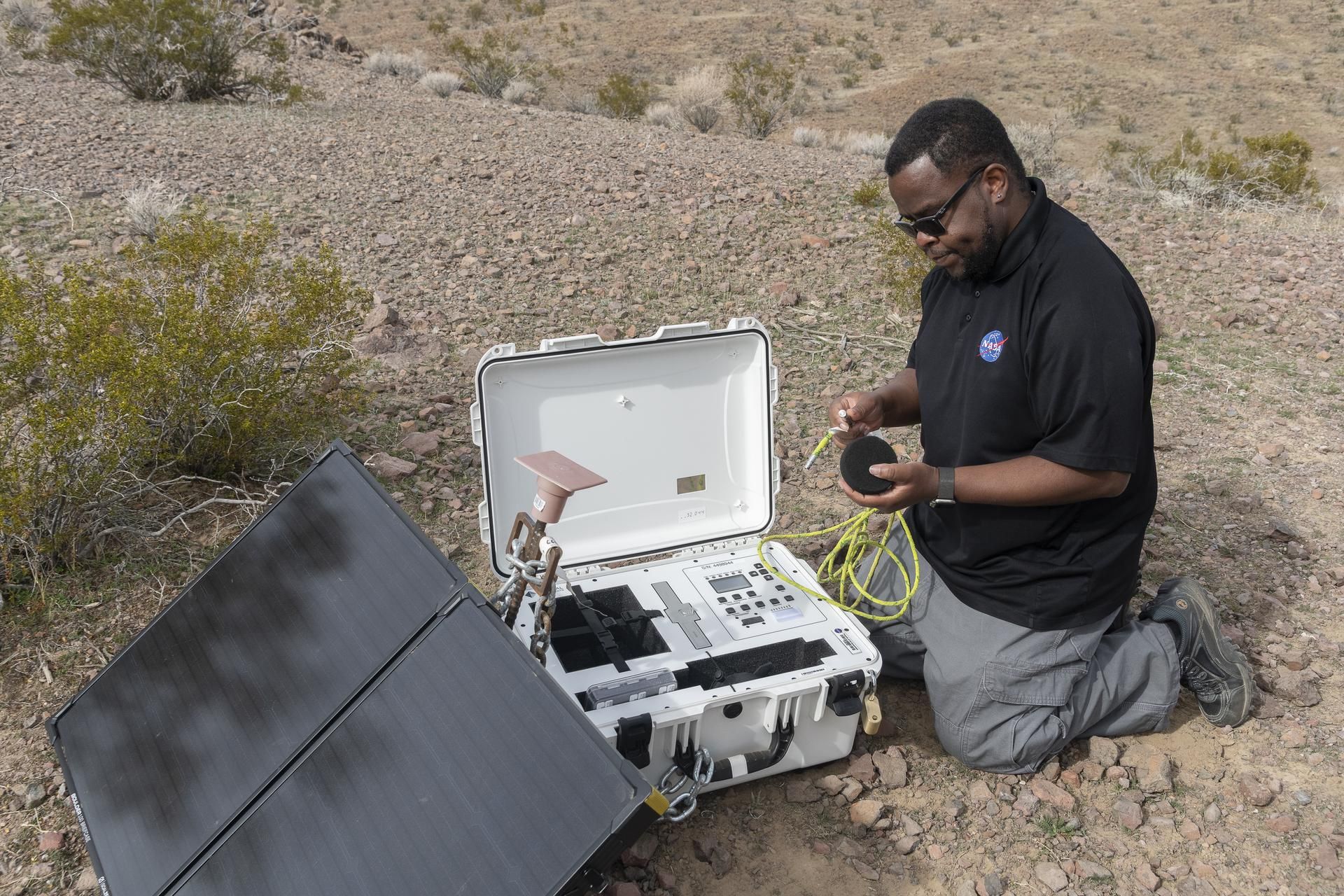
NASA Instruments Will Listen for Supersonic X-59’s Quiet ‘Thump’
NASA’s X-59 experimental aircraft is unique – it’s designed to fly faster than the speed of sound, but without causing a loud sonic boom. To confirm the X-59’s ability to fly supersonic while only producing quiet sonic “thumps,” NASA needs to be able to record these sounds from the ground. The agency recently completed tests aimed at understanding equipment and procedures needed…
Read More » -
Press Releases

NASA’s X-59 Quiet Supersonic Research Aircraft Cleared for Final Assembly
WASHINGTON, Dec. 16, 2019 /PRNewswire/ — NASA’s first large scale, piloted X-plane in more than three decades is cleared for final assembly and integration of its systems following a major project review by senior managers held Thursday at NASA Headquarters in Washington. The management review, known as Key Decision Point-D (KDP-D), was the last programmatic hurdle for the X-59 Quiet SuperSonic Technology (QueSST) aircraft…
Read More »