NASA Hosts Live Science Chat: One Year After Eclipse 2017

On the one-year anniversary of the historic 2017 Eclipse Across America, NASA will host a Science Chat at 10:30 a.m. EDT, Tuesday, Aug. 21, to discuss new science data and the public impact of the celestial event experienced by millions. Scientists also will take a look ahead at upcoming eclipses and missions that will reveal more of our solar system’s secrets. The event will air live on the agency’s website and NASA’s Facebook Live, Twitch, Ustream, YouTube, Periscope and Twitter channels.
The briefing participants are:
- Jim Green, NASA Chief Scientist, Headquarters, Washington
- Yari Collado-Vega, space weather scientist, NASA’s Goddard Space Flight Center, Greenbelt, Maryland
- Jon Miller, director and professor, International Center for the Advancement of Scientific Literacy at the Institute for Social Research, University of Michigan, Ann Arbor
- Alex Young, solar scientist, Goddard
Media who would like to ask questions during the event must email their name, media affiliation and phone number to Felicia Chouat [email protected]by 10 a.m. Tuesday, Aug. 21. Members of the public can ask questions with the hashtag #askNASA on Twitter or in the comment section of the NASA Sun Facebook page.
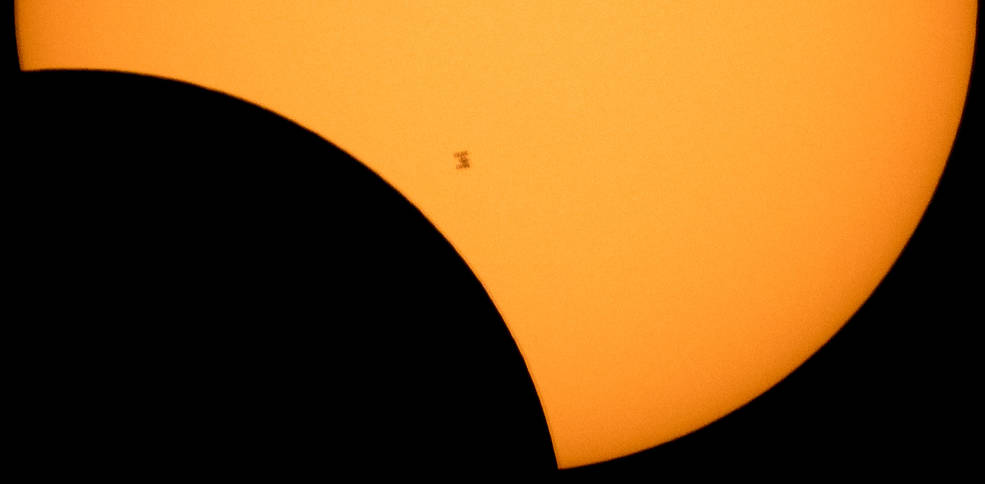
On Aug. 21, 2017, for the first time in 99 years, a total solar eclipse occurred across the entire continental United States. NASA and its partners provided a wealth of images and information captured before, during, and after the eclipse by spacecraft, NASA aircraft, ground-based observatories, citizen scientists, more than 50 high-altitude balloons, and astronauts aboard the International Space Station.
For more information about NASA science, visit: