Motorola and Paris Hilton Redefine Iconic with a Limited-Edition Razr+ Collection

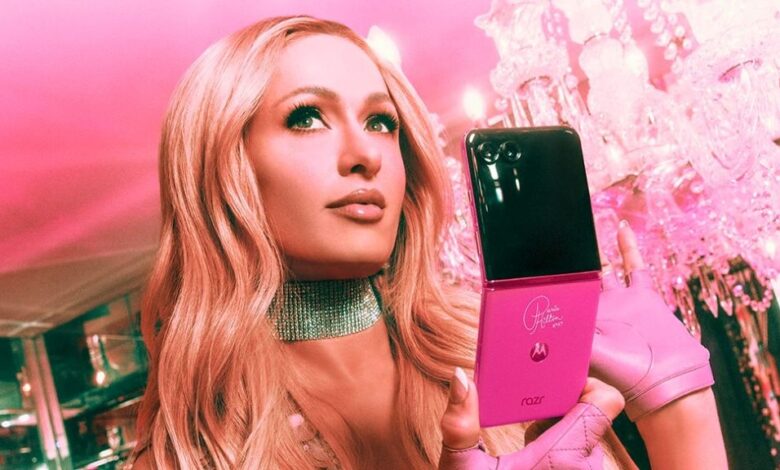
Nearly two decades after the iconic Motorola Razr V3 fused technology with fashion, Motorola and Paris Hilton are back together for an even bolder venture. Introducing the new motorola razr+ Paris Hilton Edition – a meticulously crafted statement piece for those who love sliving in style.
Designed to captivate and charm, this collaboration brings together the timeless elegance of the motorola razr+ and the glamorous flair of Paris Hilton. For $1,199.99, this limited edition collection provides everything you need to channel your inner-icon, including:
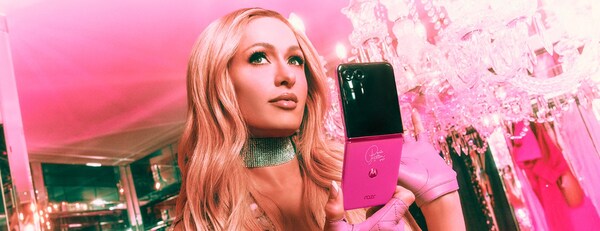
- A motorola razr+ in a new Paris Pink colorway, featuring Paris Hilton’s autograph and her iconic “That’s Hot” phrase engraved on the device hinge
- Dazzling accessories – including a case and two strap options – to complement any style
- Exclusive Paris-inspired ringtones, alerts, and wallpapers
- Custom-designed packaging with a personalized message from Paris Hilton
Act quickly to secure your piece of this limited release. Available in very limited quantities, this exclusive collection is expected to sell out fast!
Pretty in Paris Pink: A Bold New Shade with Timeless Elegance
The new motorola razr+ Paris Hilton Edition features a striking new Paris Pink shade paired with a luxurious vegan leather finish, offering a bold yet sophisticated statement. Each device has Paris’ signature engraved on the back of the device along with her iconic “That’s Hot” tagline engraved on the hinge. This personal detail makes each phone as iconic as its muse.
Elevate Your Style: Exclusive Accessories Designed to Turn Heads
This special edition product comes bundled with a vegan leather case in the new Pink Icon colorway, also complete with Paris’ autograph. It’s coupled with two dazzling wrist strap options to help elevate any look: Pink Sparkle for a touch of glamour or Pink Vegan Leather for those who value effortless style.
Sliving Sounds: Personalize with Paris Ringtones and Alerts
The motorola razr+ Paris Hilton Edition is just as iconic on the inside as it is on the outside. If you’re tired of the standard ringtones or notification pings, say hello (moto) to something fresh with some playful Paris twists.
The limited edition collection comes with ten exclusive Paris Hilton-inspired ringtones and notification sounds and thirteen of the icon’s favorite wallpapers, designed to bring her signature style and energy straight to your device. From her spin on the iconic “Hello Moto” ringtone to playful sound effects like her famous “That’s Hot” tagline, these tones will keep you in the spotlight with every call, text, or alert.
Iconic Packaging: Signed, Sealed and Delivered by Paris
Each limited-edition package comes wrapped in a custom-designed sleeve, a keepsake that’s as stylish as the phone itself. This packaging features a personalized message from Paris Hilton, making it a must-have for fans of fashion, tech, and luxury.
Always an Icon: motorola razr+ Features You Know and Love
Just like Paris, the motorola razr+ embodies a perfect blend of style and innovation that’s simply unmatched, and the limited edition collection boasts all the same features you know and love about the device. This includes its iconic flip design, giving you new ways to interact, capture, and create. Featuring the largest, most intelligent external display of any flip phone, you can respond to messages, take Paris-approved selfies, or access Google Gemini – all without flipping the phone open. Now, that’s hot!
Availability and Pricing
Starting February 13, the motorola razr+ Paris Hilton Edition will be available for $1,199.99 exclusively on Motorola.com, in limited quantities.
So hurry! Don’t miss your chance to own this iconic piece of fashion and tech history – embrace your inner icon and make a statement this season of love with the motorola razr+ Paris Hilton Edition.