




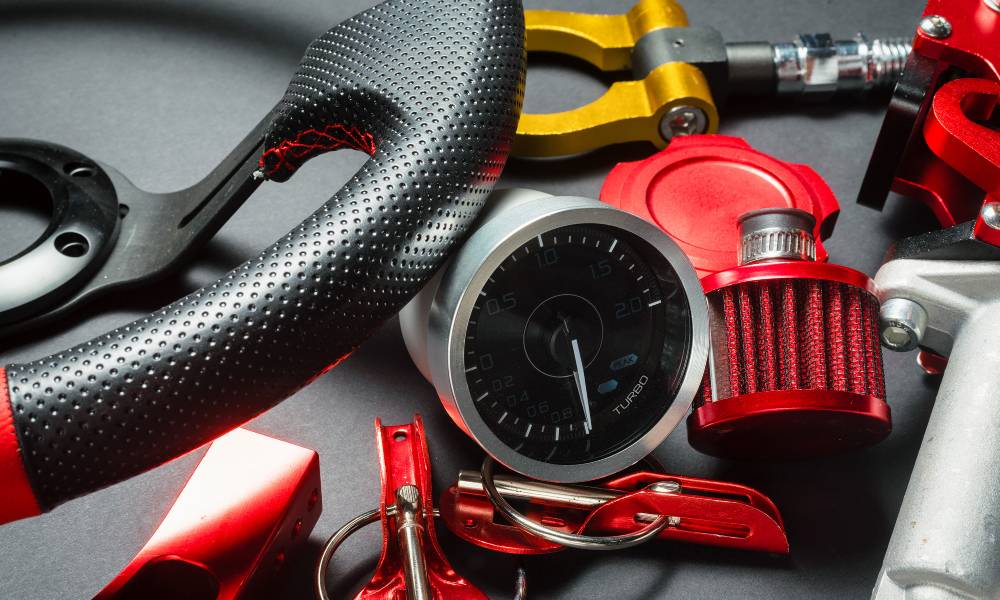
Racing enthusiasts know that getting to the track with all your gear intact can make or break your performance on race day. Whether you’re heading to your first autocross event or preparing for a professional racing season, proper equipment transport requires careful planning and the right approach.
From securing delicate electronics to protecting expensive racing tires, each piece of equipment demands specific handling techniques. Here are the top 6 tips for transporting your racing equipment that can help you arrive at the track ready to compete.
Use Proper Containers and Cases
Invest in quality cases for sensitive gear. Racing electronics, gauges, and communication devices need protection from vibration and moisture during transit. Hard-shell cases with foam inserts provide the best safeguard for delicate parts, while waterproof containers shield your equipment from weather during transport.
To stay organized, label your storage containers clearly and arrange them by category. This system helps you avoid scrambling through boxes at the track when searching for specific parts.
Protect Your Racing Tires
Racing tires represent a significant investment and require special care during transport. Store tires in tire bags or covers to prevent UV damage and contamination from road debris. Extreme heat or cold can affect tire compound performance. If transporting tires in an enclosed trailer, provide adequate ventilation to prevent condensation buildup. To avoid deformation, make sure to stack the tires carefully and avoid placing heavy objects on top.
Organize Tools and Spare Parts
Organize your tools and spare parts with a systematic approach. Use toolboxes with compartments to keep small parts separated and accessible. Magnetic strips can hold metal tools during transport.
Make sure to pack spare parts in clear containers for easy identification at the track, and keep frequently used items within reach. Consider bringing an inventory list to track your equipment.
Plan Your Loading Strategy
Load equipment in the reverse order you’ll need it at the track, with setup items easy to access and spare parts stored deeper. Create a checklist to prevent leaving gear behind and review it before leaving. Don’t forget to take photos of your vehicle load to remember item locations.
Quick Tip: Secure Heavy Items First
When loading a trailer, first load the heaviest equipment low in the vehicle: secure racing tires, spare engines, and toolboxes against the front wall to improve stability. Use rated ratchet straps instead of bungee cords, and check them before departure and during stops on long trips.
Consider Professional Transport Options
When buying your first race car trailer, consider factors like total weight capacity, interior height, and electrical systems for lighting and brakes. Enclosed trailers offer better weather protection and security for valuable racing equipment. Open trailers are suitable for budget-minded racers but provide less protection from the elements.
Professional transport services manage logistics for high-value racing programs with specialized equipment and experienced drivers familiar with racing needs. Weigh costs against your time and self-transport risks.
Get to the Track Ready to Win
Successful racing starts with proper equipment transport. These top 6 tips for transporting your racing equipment form the foundation of a professional approach to race weekend logistics.
By implementing these strategies, you’ll spend less time dealing with damaged or missing equipment and more time focusing on your performance on track. With proper planning and execution, you’ll arrive at every race ready to compete at your highest level.
About The Author

Got a Questions?
Find us on Socials or Contact us and we’ll get back to you as soon as possible.