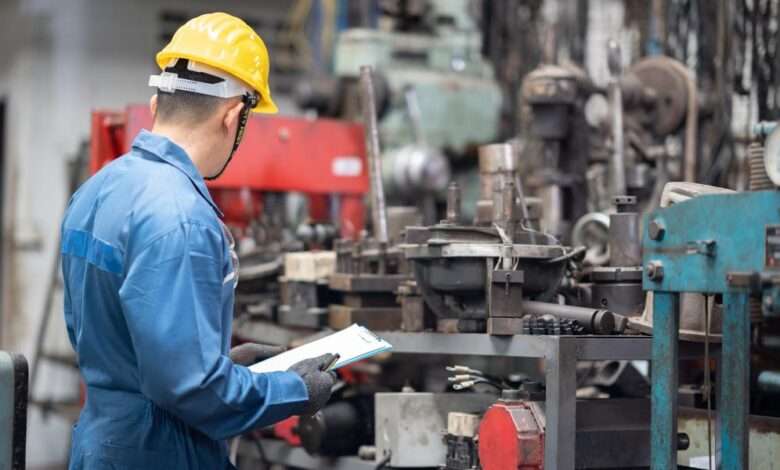
A production line should move with the smooth confidence of a high-end sports car. However, when something goes wrong, it suddenly feels more like rush-hour traffic with everyone hitting the brakes.
This can result in frustration and costly delays. Fortunately, you can use these five sure-fire strategies for stopping manufacturing slowdowns and keeping production moving smoothly.
Upgrade Visibility With Smart Monitoring
Modern production lines generate enormous amounts of operational data. Sensors, machine diagnostics, and monitoring software allow operators to track performance in real time. Instead of waiting for equipment to fail or a line to stall, teams can spot warning signs early.
For example, when operators notice a temperature spike, a change in vibration, or an abnormal cycle time, they can address the issue before the slowdown spreads across the floor. Think of it as installing a health tracker for your machines.
Maintain Your Equipment
Reactive maintenance often turns minor wear into major downtime. In contrast, preventive maintenance schedules keep machines calibrated, lubricated, and ready to run.
Manufacturers that maintain consistent inspection cycles usually experience fewer disruptions and better long-term productivity. A well-maintained machine rarely surprises anyone.
Train Operators To Solve Problems Quickly
Another sure-fire strategy for stopping manufacturing slowdowns is to train operators to solve problems quickly. Even the most advanced equipment still relies on skilled human operators. When teams understand how machines behave under normal conditions, they recognize unusual patterns immediately.
That knowledge allows operators to troubleshoot quickly instead of waiting for specialized technicians. Strong training programs can transform employees from button pushers into problem solvers who keep production moving.
Reduce Manufacturing Mistakes at the Source
Mistakes on a production line act like dominoes. One small defect can stop an entire process while technicians diagnose the issue. Precision preparation reduces those interruptions.
For example, manufacturers can prevent coating issues that lead to slowdowns by using silicone masking in high-temperature applications. In addition, companies can prevent parts from slipping outside of tolerances and failing inspections by performing early-stage quality checks. When fewer mistakes occur, fewer production pauses follow.
Optimize Your Workflow
When production slows, many companies assume they need additional equipment. In reality, inefficient workflow often causes the problem.
A detailed process review can reveal unnecessary movement, bottlenecks between stations, or poorly timed handoffs. Small adjustments to layout, scheduling, or material flow frequently eliminate the kind of friction that leads to manufacturing slowdowns.
Keeping Production Moving
Manufacturing rarely slows down because of a single dramatic failure. More often than not, small issues stack up until productivity drops and frustration rises. Smart monitoring, disciplined maintenance, skilled operators, careful error prevention, and thoughtful workflow design keep factories running at full speed.