

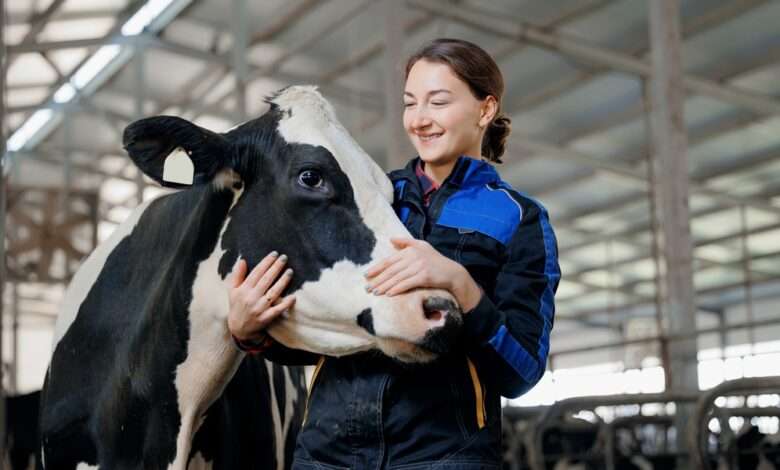
Many of today’s dairy operations look a lot more like a tech operation than the barnyard scenes people imagine. The goal is not just to produce more milk, but to produce it with less waste and better consistency. Modern dairy farms reduce waste and protect milk quality with sensors, cooling systems, and smart equipment. Find out just how much technology and planning go into every gallon of milk.
Maintain Equipment
Milking machines, pumps, filters, and storage tanks all play a role in keeping milk clean and usable. When equipment fails or becomes contaminated, milk can be lost quickly. Regular maintenance helps farms avoid those costly problems.
Dairy facilities rely on scheduled inspections and preventative maintenance to keep systems running at peak performance. Clean equipment ensures that milk stays free of contaminants and meets strict industry standards. Technology also helps farmers track wear and tear, which makes timely repairs and replacements more intuitive.
Improve Milk Cooling Systems
Temperature control is one of the biggest factors in protecting milk quality, which is why farms adopt effective milk-cooling practices. This includes rapid chilling and maintaining consistent storage temperatures from milking to transport. Once milk leaves the cow, it needs to be cooled quickly to prevent bacteria growth and spoilage.
Dairy operations use advanced cooling tanks and monitoring systems to quickly bring milk temperatures down. Additionally, automated sensors alert farmers if temperatures shift even slightly. By preventing spoiled batches, these modern cooling systems protect milk quality and reduce waste on dairy farms.
Monitor Milk Quality Data
Technology now allows dairy farms to track milk quality in real time. Sensors and monitoring systems can measure temperature, storage conditions, and milk composition during different stages of production. This data helps farmers identify and fix problems that would otherwise lead to bacterial growth.
Digital tracking also improves decision-making across the farm, such as what equipment to repair or which handling procedures to adjust. Farmers can correct the problem before milk quality is affected.
Streamline Farm Operations
Waste on dairy farms does not always come from milk itself. Inefficient workflows, delays, and handling mistakes can also lead to lost product. Farms reduce these problems by improving daily routines and using better systems for managing production.
Some of the most effective operational improvements include:
- Using automated milking systems to ensure consistent milking schedules.
- Monitoring storage tanks with digital temperature controls.
- Scheduling equipment cleaning and maintenance regularly.
- Training staff in proper milk handling procedures.
Poor milk quality can lead to contamination or spoilage, rendering the milk unsafe or unsuitable for processing. When this happens, entire batches may have to be discarded. Fortunately, farms now have more ways than ever to protect their product. Better maintenance, faster cooling, and smarter tracking all help reduce losses and ensure safe milk for consumers.