




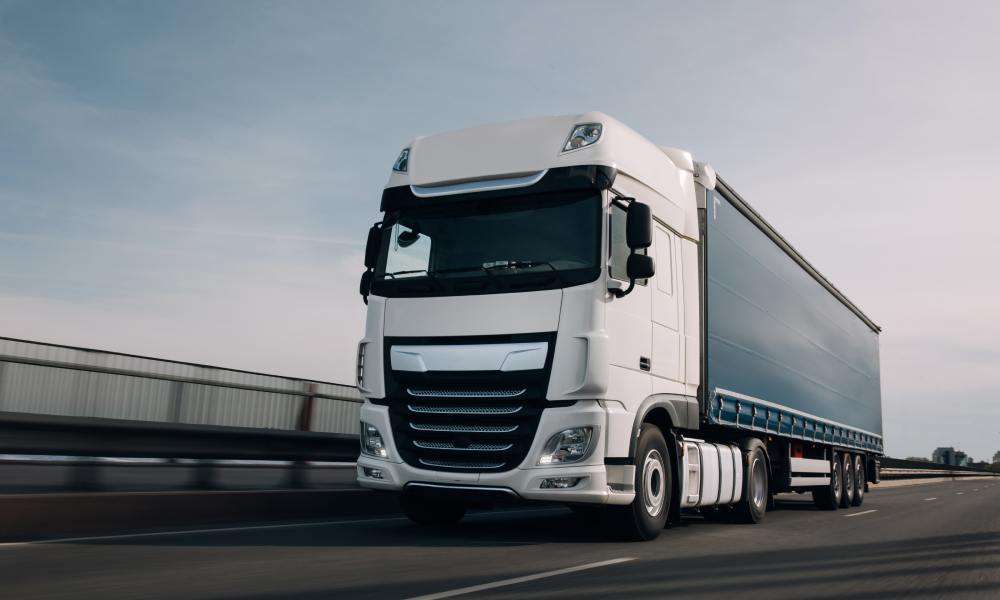
What helps keep a huge truck under control on a packed road? It’s a fair question, especially when you’re driving near one every day. A lot has changed over the years, and many of the features that have made semi-trucks safer work quietly in the background. Some help drivers react sooner. Some help the truck hold its line. Together, they help cut down risk on busy roads.
Mud Flaps
Mud flaps are a basic safety feature on semi-trucks. Their job is to keep water and loose debris from spraying into traffic behind the truck. Semi-trucks throw up more road material than passenger vehicles because their tires are larger and their weight pushes harder against the pavement.
Without mud flaps in good condition, drivers behind the truck can face reduced visibility or damage from debris hitting the road and bouncing upward. When mud flaps are installed and get replaced as they wear down, the road stays safer for everyone nearby.
Anti-Lock Braking Systems
Anti-lock braking systems help a semi-truck stay under control during hard stops. When the brakes lock up, the tires can skid across the road, which cuts down steering control and raises the chance of a crash. ABS prevents that by adjusting brake pressure in short bursts while the truck slows down. This helps the tires keep traction with the pavement.
Electronic Stability Control
Electronic stability control helps prevent a semi-truck from losing control during sharp turns or sudden movements. Large trucks carry heavy loads, and that weight can shift, which increases the risk of rollovers. This system tracks the truck’s movement and compares it to the driver’s steering input. If it senses a mismatch, it adjusts braking on specific wheels to bring the truck back in line.
Automatic Emergency Braking
Automatic emergency braking helps cover the gap between danger and driver response. On a semi-truck, even one second of delay can lead to a hard impact because the vehicle needs a much longer stopping distance.
This feature monitors the space ahead and reacts when traffic slows too quickly or a vehicle moves into the truck’s path. If the driver hasn’t braked soon enough, the system can step in and reduce speed. That added braking power can cut down crash severity or prevent the collision altogether.
Lane Departure Warning Systems
Long stretches of highway can wear down even experienced drivers. For semi-trucks, a small drift can turn into a serious problem because of the vehicle’s size and limited room to recover. Lane departure warning systems watch the truck’s position on the road and send an alert when it moves across lane markings without a turn signal. The warning gives the driver a chance to correct course right away.
What Safer Roads Really Come Down To
When you look at the features that have made semi-trucks safer, the big takeaway is simple. Better safety comes from practical systems doing specific jobs well. A truck still depends on a skilled driver, but good equipment adds another layer of protection that everyone on the road benefits from.
About The Author

Got a Questions?
Find us on Socials or Contact us and we’ll get back to you as soon as possible.