



Large assembly programs rarely struggle due to a single dramatic tooling failure. More often, small differences between measurement routines add up until alignment becomes harder to maintain. Tooling consistency matters across large programs when facilities depend on metrology to keep complex builds moving with confidence. As production scales across teams, repeatable tooling becomes a practical requirement, not only a preference.
Consistency Keeps Measurement Aligned
Metrology only delivers reliable decisions when the tooling behind it behaves the same way from one operation to the next. A fixture that seats a part differently at another station can change the measurement outcome before anyone notices the pattern. As a result, teams may spend time chasing variation that comes from the process instead of the component. Steady tooling removes that uncertainty and gives inspection data a cleaner foundation.
Large Programs Magnify Small Differences
A minor offset in one cell can turn into a much bigger problem when the same program runs across assembly stages. Even a slight inconsistency in locator wear or setup method can introduce downstream fit issues that seem unrelated at first. Meanwhile, rework grows because each team is reacting to a different version of the same condition. Consistent tooling helps large programs stay synchronized instead of drifting apart in small but expensive ways.
Repeatable Tooling Supports Faster Corrections
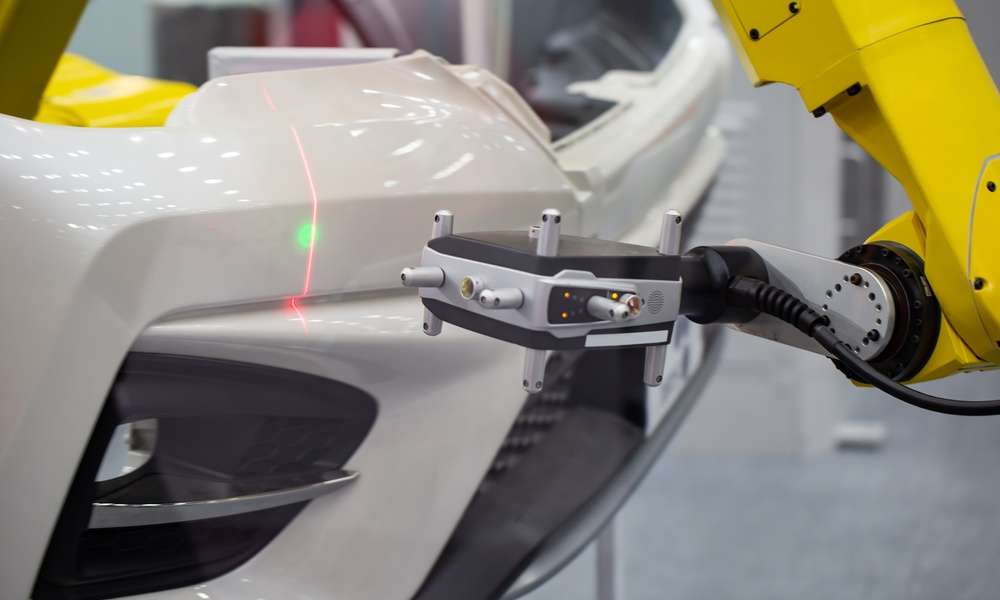
When tooling is standardized, troubleshooting becomes far more direct because teams can compare results without wondering whether the setup changed. Engineers can isolate real process shifts more quickly, and quality teams can track patterns with greater confidence. In many programs, that advantage becomes even clearer when fixture strategies are paired with the benefits of laser-based tooling systems to hold alignment across broader assembly areas. Better consistency does not eliminate the need for adjustment work, but it makes every adjustment more meaningful.
Stable Processes Protect Program Throughput
Production flow depends on predictability, especially when multiple assemblies must meet tight tolerances at high volume. Tooling inconsistency slows that flow by introducing avoidable checks, repeated measurements, and extra hand fitting between operations. On the other hand, a stable tooling approach supports smoother handoffs between departments and helps each station work from the same physical standard. That kind of control keeps throughput from being undermined by preventable variation.
Stronger Programs Start With Common Standards
Facilities managing complex builds need measurement systems that reinforce one another rather than introduce new variables. Over time, that discipline shapes better data and fewer surprises across the program. In the end, why tooling consistency matters across large programs comes down to protecting accuracy at scale while keeping every stage of production working from the same baseline.
About The Author

Got a Questions?
Find us on Socials or Contact us and we’ll get back to you as soon as possible.