




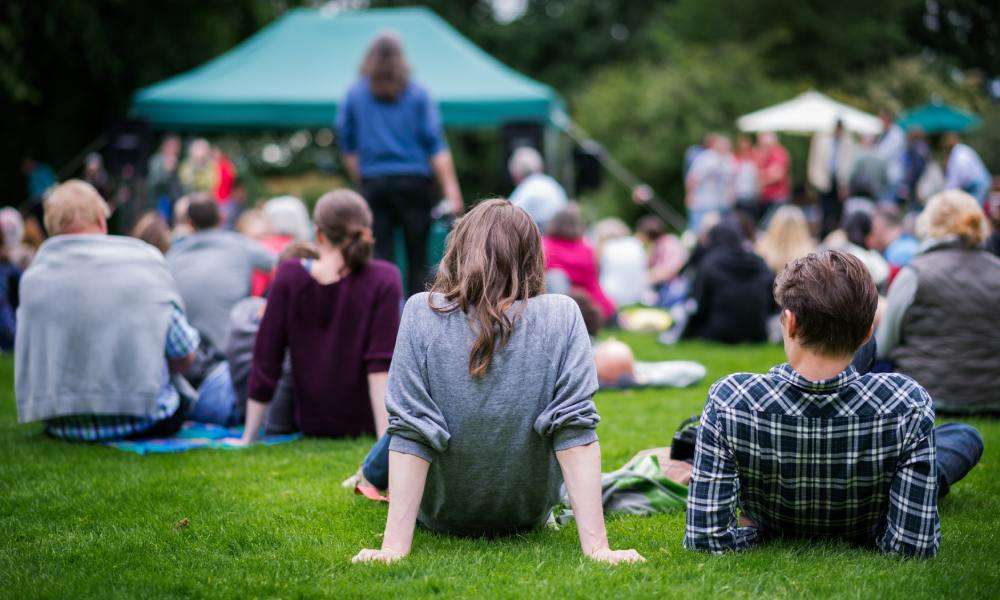
Outdoor events offer a unique and engaging experience, but they also come with a wide range of safety challenges that require careful planning. Unlike indoor venues, outdoor spaces are more vulnerable to environmental factors, uneven terrain, and unpredictable conditions. A successful event begins with a comprehensive safety strategy that addresses potential risks before they become problems. When safety is prioritized from the start, it’s critical to know the primary safety considerations for outdoor events.
Site Assessment and Preparation
Before any equipment is set up, a thorough site assessment is essential. The condition of the ground plays a major role in determining how structures like tents, stages, and seating will be installed. Uneven or soft terrain can lead to instability, increasing the risk of accidents.
Organizers should also identify potential hazards such as slopes, nearby water sources, or obstacles that could interfere with foot traffic. Proper preparation may involve leveling surfaces, marking walkways, and ensuring there is adequate lighting for evening events. These steps help create a safer and more navigable space for both guests and staff.
Weather Awareness and Contingency Planning
Weather is one of the most unpredictable factors in outdoor event planning, making it critical to have contingency plans in place. High winds, rain, or extreme heat can compromise structures and put attendees at risk. Monitoring weather forecasts leading up to the event allows organizers to make informed decisions about setup and potential adjustments.
Securing tents and equipment with appropriate anchoring systems is crucial in windy conditions, while shaded areas and hydration stations can help mitigate heat-related issues. Having a clear plan for evacuation or shelter ensures that everyone knows what to do if conditions suddenly change.
Equipment Safety and Power Management
Outdoor events often rely on a variety of equipment, including lighting, sound systems, and generators. Ensuring that all equipment is properly installed and maintained is vital for preventing accidents. Electrical components should be protected from moisture and placed in areas where they will not create tripping hazards.
Cables should be secured and covered when necessary, and generators must be positioned safely away from high-traffic areas. Regular inspections during the event can help identify any issues early, reducing the likelihood of equipment failure or injury.
Using Shipping Containers for Event Infrastructure
Shipping containers have become increasingly popular in outdoor event setups due to their durability and versatility. When used correctly, they can serve as secure storage units, pop-up bars, or even structural elements within the event space; however, there are many dos and don’ts when it comes to utilizing shipping containers for your event.
Containers must be placed on stable ground to prevent shifting, and any modifications, such as doors or windows, should be professionally installed to maintain structural integrity. Proper ventilation is also important, especially if the container will be occupied for extended periods. By integrating shipping containers thoughtfully, organizers can enhance both functionality and safety.
Crowd Management and Emergency Preparedness
Managing the movement and behavior of attendees is another key aspect of event safety. Clear signage, designated entry and exit points, and well-trained staff all contribute to a more organized environment.
Emergency preparedness should include accessible first aid stations, communication systems for staff, and clearly defined emergency procedures. When attendees feel that an event is well-managed and secure, it enhances their overall experience while minimizing risks.
Create a Safe and Fun Event
Outdoor events require a proactive approach to safety that accounts for environmental conditions, equipment, and crowd dynamics. By understanding the essential safety considerations for outdoor event setup, organizers can create a safe and enjoyable experience for everyone involved.
About The Author

Got a Questions?
Find us on Socials or Contact us and we’ll get back to you as soon as possible.