

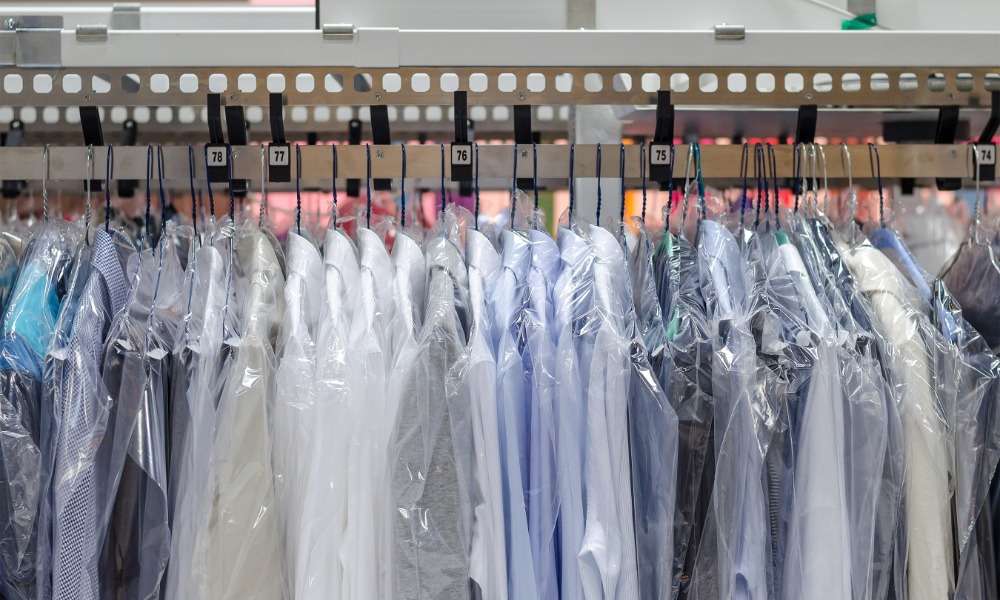
Running a successful dry cleaning business involves far more than stain removal and garment care. Behind the scenes, how dry cleaners optimize storage and logistics plays a critical role in maintaining quality service, reducing costs, and ensuring customer satisfaction. From managing high garment volumes to maximizing limited space, dry cleaners rely on thoughtful systems to keep operations running smoothly.
Maximizing Limited Space
Many dry cleaning businesses operate in compact storefronts where every square foot matters. To handle large volumes of garments without creating clutter, operators must use vertical storage and carefully planned layouts. Items are often organized by order number, customer name, or pickup date, allowing staff to quickly locate garments during busy periods.
Efficient use of space also reduces the risk of misplaced items. When garments are stored in clearly defined zones, employees spend less time searching and more time focusing on customer service. This level of organization becomes especially important during peak seasons when turnaround times are tight.
Streamlining Garment Flow
Logistics in a dry cleaning operation revolve around movement; garments are constantly being received, processed, stored, and returned. A well-optimized workflow minimizes unnecessary handling and reduces delays. Many businesses design their layout so that garments move in a single direction from intake to cleaning to storage and finally to pickup.
This linear approach not only saves time but also reduces the likelihood of errors. By limiting cross-traffic and confusion, dry cleaners can maintain consistent turnaround times and improve overall efficiency. Technology also plays a role, with tagging systems and digital tracking helping staff monitor each garment’s status in real time.
Reducing Costs Through Smarter Storage
Storage solutions directly impact operational costs. Inefficient systems can lead to wasted materials, damaged garments, and increased labor time. To address this, many dry cleaners are turning to reusable and cost-effective materials that support both organization and sustainability.
Some businesses are adopting recycled garment storage box solutions as a way to reduce waste while maintaining structure in their storage systems. These solutions not only cut down on expenses but also align with growing customer expectations for environmentally responsible practices.
Enhancing Customer Experience
Efficient storage and logistics are not just internal concerns for dry cleaners; they directly impact the customer experience. When garments are easy to locate and properly organized, staff can provide faster service at pickup. Customers appreciate quick transactions, especially during busy times, and are more likely to return to businesses that value their time.
Additionally, well-managed storage reduces the risk of lost or damaged items, which can harm a business’s reputation. By maintaining clear systems and processes, dry cleaners build trust and reliability with their customers.
Adapting to Changing Demands
As customer expectations evolve, dry cleaners must continue refining their storage and logistics strategies. The rise of same-day service, delivery options, and increased garment volumes requires even greater efficiency. Businesses that invest in better organization, smarter materials, and streamlined workflows are better positioned to meet these demands.