
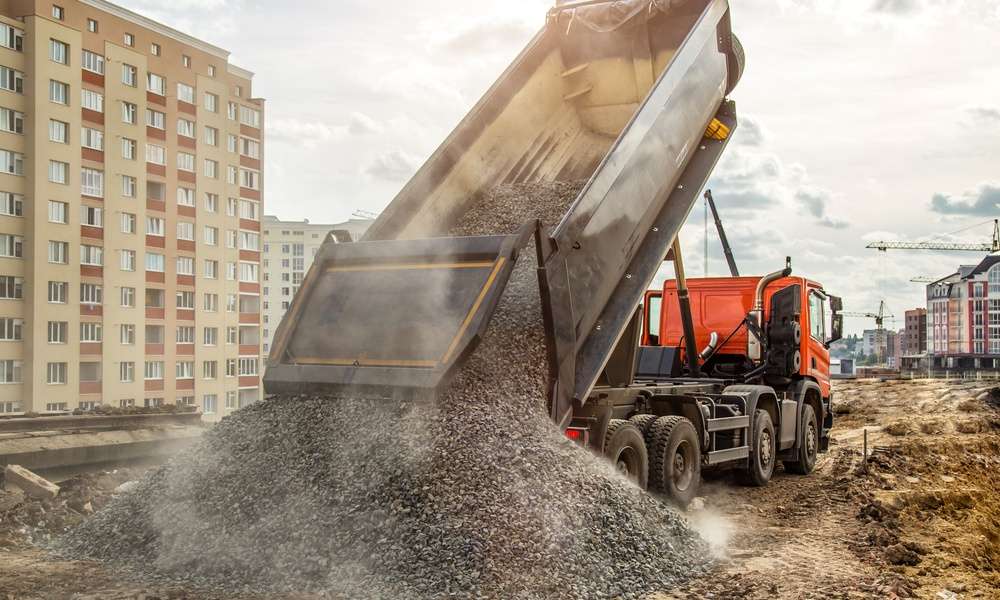
Anyone who has ever tried to shake the last bit of ketchup out of a bottle already understands the basics of cargo unloading. Some things just refuse to cooperate. Scale that frustration up from condiments to gravel, clay, mulch, or even hot asphalt, and suddenly you are dealing with the hidden physics of faster cargo unloading, whether you like it or not.
What seems like a simple “dump and go” job can quickly turn into a battle between materials, surfaces, and patience.
Friction Is the Real Enemy
At the center of it all is friction. When material sticks to the surface of a truck bed, trailer, or container, everything slows down. Unloading takes longer, cleanup becomes a chore, and equipment takes more abuse than it should.
It is not just inconvenient. Every extra minute spent knocking loose stubborn material is time you are not spending on the next job.
Surface Science Beats Raw Power
It is easy to assume faster unloading comes down to horsepower or hydraulics, but that is only part of the story. What really matters is how materials interact with the surface they are sitting on.
A smoother, more resistant surface makes it easier for loads to slide out cleanly. Less sticking means less buildup, less leftover material, and fewer moments where someone inevitably says, “Just hit it again.”
Why Heat and Moisture Change Everything
Conditions matter more than most people think. Moisture can turn dirt into glue, especially with clay-heavy loads that cling like they have made a life decision.
Heat brings its own problems. High temperatures can soften materials, increase residue, and speed up wear on surfaces. If you are hauling something like hot mix, things get messy fast if your setup is not built for it.
That is why there is no one-size-fits-all solution. What works for dry gravel might fail completely with wet soil or high-temperature materials.
Smart Materials Make the Difference
This is where material choice quietly becomes the MVP. Different liner materials are built for different problems, whether that is reducing friction, handling heat, or standing up to abrasive loads.
Looking at how professionals choose liners for specific conditions gives a good sense of how factors like temperature, corrosion, and material type all affect unloading speed and long-term durability.
It is not flashy tech, but it works consistently.
The Tech Behind Faster Turnarounds
When you zoom out, the hidden physics of faster cargo unloading is really about working smarter, not harder. The right surface reduces drag, speeds up unloading, and helps protect equipment from unnecessary wear.
That might not sound as exciting as a new gadget or dashboard upgrade, but in the real world, it makes a bigger difference than most people expect.
It’s More Than Just Dumping Material
Cargo unloading is not just about dumping and driving away. Behind every clean unload is a mix of friction, material behavior, and a bit of trial and error.
And if you have ever spent twenty minutes arguing with a pile of stuck gravel, you already know—physics usually wins.
About The Author
