




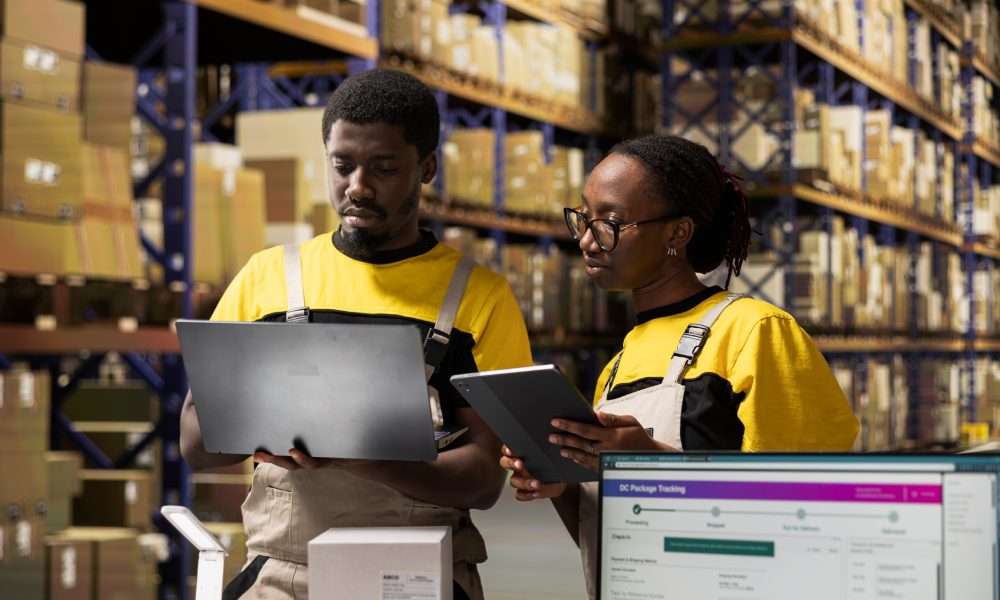
Shipping seems straightforward until it isn’t. Orders arrive, get packed, and head out. Then something slips. One issue leads to another, and before long, everything is off schedule.
Delays in your shipping workflow usually don’t stem from a single major mistake. They build from smaller issues that seem minor at first but add up quickly over time.
So where do things start to break down? Here are a few common reasons your shipping workflow can fall behind.
It Starts Earlier Than You Think
Most delays begin before anything reaches the loading dock.
Order processing creates early friction. If your system struggles to sync inventory or pulls incorrect data, your team must stop and fix it. That slows everything down before packing even starts.
Manual entry makes things worse. A wrong address or SKU doesn’t just cause one issue. It triggers a chain reaction that takes time to correct.
Once orders enter the warehouse, layout matters as much. If workers spend time searching for items or doubling back across the floor, productivity drops. A few seconds per order might not seem like much, but over a full shift, it adds up fast.
Where Time Gets Lost:
- Poor picking routes
- Disorganized inventory
- No real-time tracking tools
- Inconsistent packing methods
Even one of these can slow things down more than expected.
Equipment And Communication Break The Flow
When equipment fails, everything behind it waits.
Dock doors, conveyors, and lifts are essential for keeping shipments moving. A failure in any of these disrupts the entire workflow. For instance, delays in commercial garage door service can delay trucks that need to load or unload. That delay doesn’t stay contained. It pushes back every shipment scheduled after it.
At the same time, communication gaps make things worse. Shipping depends on timing between teams; when information isn’t shared promptly, confusion follows. A driver may arrive too early, or customer service might send the wrong tracking details.
These issues don’t fix themselves. They build on each other.
Technology Can Either Help Or Slow You Down
Tech should make things faster, but it doesn’t always work that way.
Outdated systems or tools that don’t connect properly slow everything down. Instead of helping, they force your team to work around them. That creates friction at every step.
Automation helps when it’s set up correctly. If it isn’t, it just speeds up mistakes instead of preventing them.
Why Small Problems Turn Into Big Delays
Most shipping workflows don’t break down all at once. They gradually slow over time, and delays in your shipping workflow tend to build in the background until they start affecting your schedule.
Fixing this doesn’t require a complete overhaul. It comes down to spotting small problems early and tightening the areas where time gets lost. Stay on top of those, and things run smoother. Let them slide, and you end up reacting instead of staying ahead.
About The Author

Got a Questions?
Find us on Socials or Contact us and we’ll get back to you as soon as possible.