

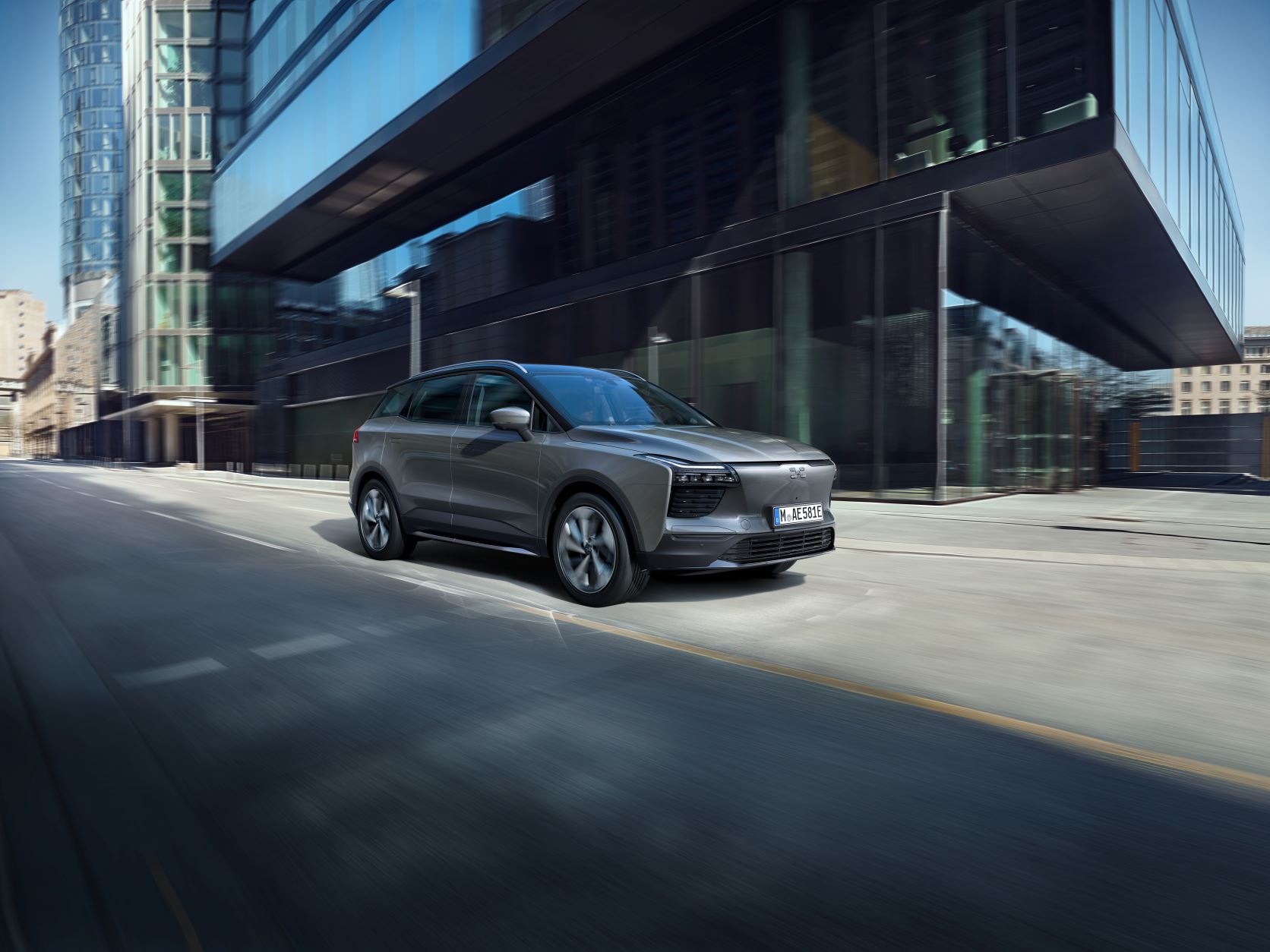



A sudden stop is one of those moments when a vehicle reveals everything at once, from tire grip to brake response to road contact. In that split second, what drivers overlook in sudden-stop situations can be the difference between staying controlled and sliding into trouble. It is not always about slamming the pedal harder; it is about how well every moving part works together before the panic starts.
Tire Grip Changes Before Drivers Notice
Most drivers notice tire problems only when handling feels obviously off, but reduced grip starts much earlier. As tread wears down, the tire has a harder time maintaining stable contact during a rapid stop. That loss becomes easier to understand when braking performance is tied directly to how tire tread depth impacts braking distance in wet and dry conditions. Even with strong brakes, limited traction reduces how effectively the vehicle can slow down.
Reaction Time Is Part of the Braking System
A vehicle can only respond after the driver does, so mental processing time matters just as much as hardware. Looking at a phone or following too closely can add several extra feet before the brakes fully engage. Meanwhile, speed multiplies the problem because the car covers more ground before deceleration can begin. By the time the brakes clamp down, the available space may already be gone.
Road Surfaces Can Rewrite the Outcome
Pavement is never as uniform as it looks from behind the wheel. Loose gravel, standing water, and worn intersections can all change how the tires respond during emergency braking. ABS helps prevent wheel lock, but it cannot create grip where the road surface offers very little. For that reason, two sudden stops at the same speed can end very differently depending on what sits between the tires and the ground.
Vehicle Tech Still Depends on Maintenance
Drivers trust safety technology to handle the hardest moments, and systems like traction control do help. Still, that feature relies on healthy tires and brakes to do their job well. Worn components can delay response and make the vehicle feel unpredictable under pressure. In the end, what drivers overlook in sudden-stop situations usually comes down to the basic conditions that determine whether the car can stop smoothly, quickly, and in control.
About The Author

Got a Questions?
Find us on Socials or Contact us and we’ll get back to you as soon as possible.