




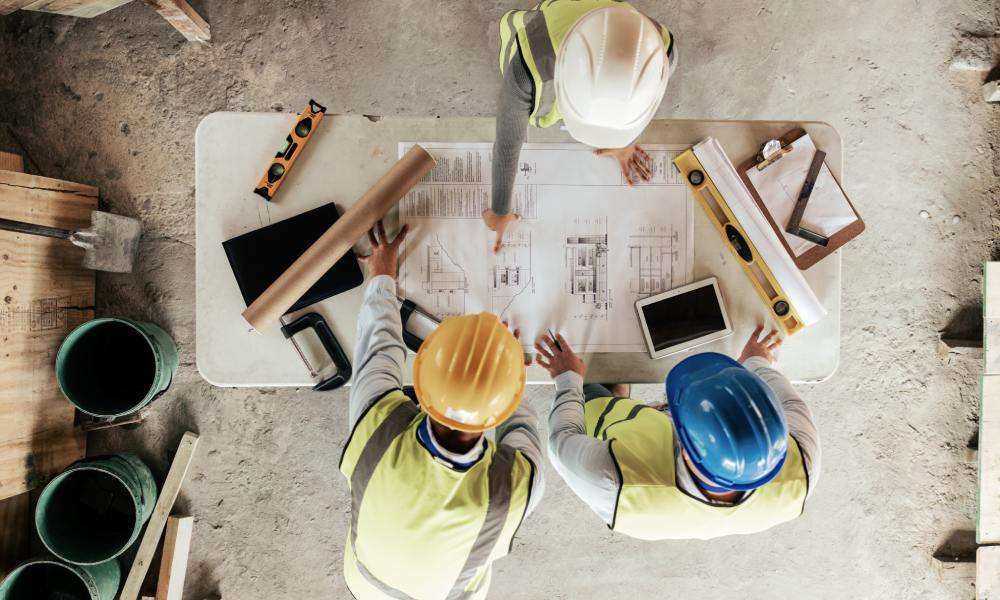
Construction projects have a funny way of going off the rails when no one lays the groundwork first. Crews show up ready to build, but confusion about timelines, budgets, and responsibilities quickly turns excitement into frustration.
This occurs when projects don’t have the proper planning time. Pre-project planning determines the success of construction by establishing a structure before the first piece of equipment arrives. When teams take time to plan properly, they set themselves up for smoother builds, fewer headaches, and far better results.
Strong Starts Prevent Costly Finishes
Construction projects rarely fail because of one big mistake. They fall apart through a series of small, preventable missteps that stack up fast. Pre-project planning creates a clear path before crews even step on-site. When teams define scope, budget, and timelines early, they reduce confusion and avoid expensive surprises.
Clear Scope Keeps Everyone Sane
A well-defined scope gives every stakeholder a shared understanding of the goal. Without it, teams argue over expectations while deadlines slip quietly into the void.
Planning forces decision-makers to lock in details before materials get ordered or labor gets scheduled. That clarity keeps the project moving rather than stalling due to constant revisions.
Budgeting Early Saves More Than Money
People often treat budgets like rough guesses, which leads to chaos later. Accurate pre-project planning ties every cost to a real requirement and prevents mid-project panic.
Teams can compare vendor pricing, labor needs, and material costs before committing funds. That approach keeps finances predictable and stops surprise expenses from wrecking the entire build.
Logistics Make or Break Progress
Construction does not happen in a vacuum, even if it sometimes feels like it. Planning logistics ensures materials, equipment, and labor arrive exactly when needed. Teams must consider site access, transportation routes, and storage limitations before work begins.
Even something like managing crane rentals in remote locations requires careful coordination to prevent costly downtime.
Risk Management Without Guesswork
Every project carries risks, but planning reduces the likelihood that they will become disasters. Teams identify potential issues early and build solutions into the project plan. This proactive mindset helps crews respond quickly instead of scrambling under pressure. When problems arise, prepared teams handle them with confidence instead of panic.
Communication That Keeps Projects Moving
Poor communication creates more delays than bad weather or equipment failure. Pre-project planning establishes clear communication channels and responsibilities. Everyone knows who to contact, what to report, and how decisions get made.
Key Elements Every Plan Needs
A strong plan covers more than just timelines and budgets. Teams should build a foundation that supports every stage of the project. The following elements create a reliable structure:
- Defined project scope and objectives
- Detailed budget with contingency planning
- Realistic timeline with task dependencies
- Clear roles and responsibilities
- Logistics strategy for materials and equipment
These components work together to reduce confusion and maintain steady progress.
Success Starts Before the First Tool
Construction success requires pre-project planning before anyone begins breaking ground. It begins with thoughtful, detailed planning that sets the tone for everything that follows.
Teams that invest time up front avoid stress, delays, and budget overruns later. In the end, pre-project planning turns chaos into control and keeps projects moving forward without constant firefighting.
About The Author

Got a Questions?
Find us on Socials or Contact us and we’ll get back to you as soon as possible.