




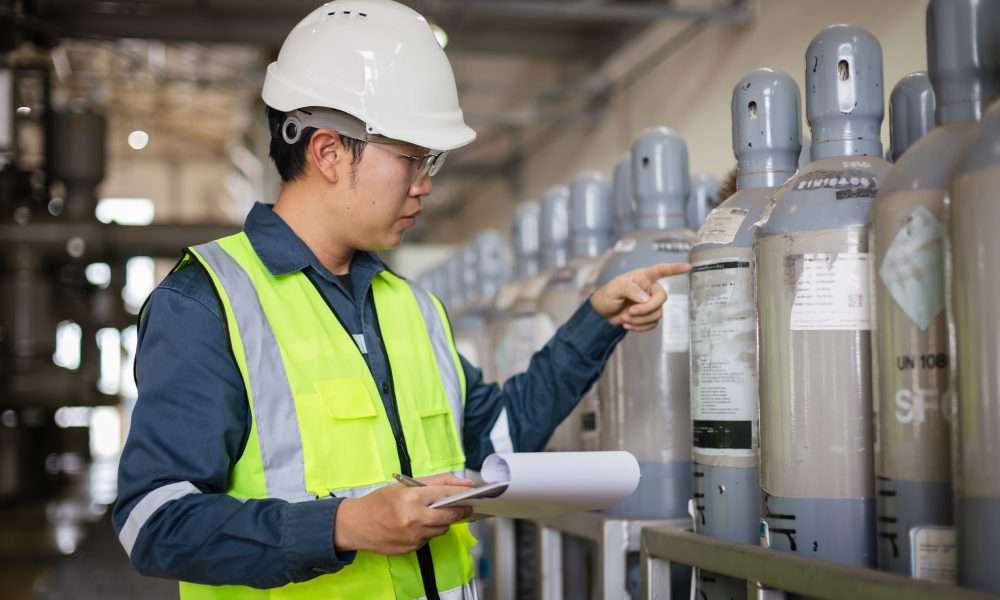
Pyrophoric gases demand serious respect. These gases can ignite when they contact air, so every step in storage, transfer, and use needs careful planning. Teams that work with them can’t rely on habit or guesswork. They need clear procedures, trained people, and equipment that matches the job from start to finish. These best practices will help team members handle pyrophoric gases properly.
Know the Gas
Before anyone connects a cylinder or opens a valve, they need to understand the gas they’re handling. Each pyrophoric gas has its own pressure requirements, compatibility concerns, and emergency risks. Workers should review the safety data sheet, understand the cylinder label, and know the proper shutdown procedures before starting work.
Training also requires regular refreshers. People forget details when they don’t use them often, and complacency creates dangerous gaps. A strong team reviews procedures before each task and keeps communication direct during the work.
Use the Right Equipment
Pyrophoric gases require equipment designed for the pressure, flow rate, and chemical properties involved. Hoses, valves, fittings, regulators, and tubing must be compatible with the materials used. Even a small mismatch can cause leaks, corrosion, or equipment failure.
Selecting the right regulator is critical to safe gas handling. The regulator must match the gas type, cylinder pressure, outlet pressure, and flow requirements. Teams should also inspect regulators for damage, wear, contamination, or signs of improper use before installation.
Control the Environment
A well-prepared workspace reduces risk before anyone starts handling gas. Workers should remove ignition sources, keep combustible materials away, and maintain strong ventilation. Gas cabinets, exhausted enclosures, and detection systems help contain leaks and alert staff quickly.
Teams should also keep the area organized. Loose tools, blocked exits, and unlabeled lines can slow response time during an emergency. Clear labels and open walkways help workers move with purpose.
Check for Leaks
Leak checks should happen before use, after connections change, and anytime equipment behaves strangely. Workers should use approved leak detection methods for the specific gas and system. They should never use shortcuts or assume a connection is tight because it looks secure.
A planned purge process also helps reduce exposure to air. Proper purging clears oxygen and moisture from the system before pyrophoric gas flows through it. Teams should follow written procedures and confirm each step before moving forward.
Prepare for Emergencies
Emergency planning needs more than a binder on a shelf. Workers should know how to shut down the system, evacuate the area, contact emergency responders, and report the incident. Fire suppression equipment, gas detection alarms, and emergency shutoff systems should stay accessible and ready.
Drills help teams respond faster under pressure. When people practice realistic scenarios, they make better decisions during real events.
Build Safer Habits
Safe pyrophoric gas handling comes from consistent habits, not luck. Teams need proper training, compatible equipment, organized work areas, leak checks, and emergency plans that everyone understands. When workers slow down, follow procedures, and respect the risks, they protect themselves, their coworkers, and the facility.
About The Author

Got a Questions?
Find us on Socials or Contact us and we’ll get back to you as soon as possible.