




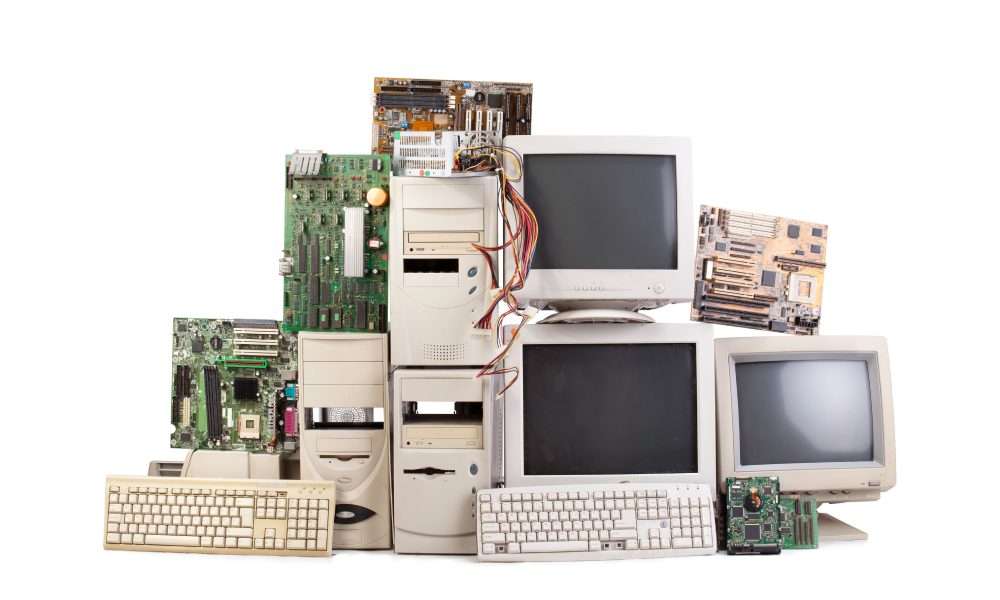
That busted laptop under a counter may look like a metal sandwich with trust issues, but repair shops see parts, resale value, and service opportunities. The real work behind how repair shops turn old tech into steady revenue starts with a clear process for testing devices and deciding which ones still have business value.
With the right system, older devices can support a stronger shop while keeping electronics out of the trash stream.
Start With Testing Before Tossing
Repair shops make better money when they sort devices before making assumptions. A phone with a cracked screen may still have a working board or charging port. A slow laptop may need storage upgrades, more memory, or a clean operating system rather than a trip to the scrap bin.
Testing helps shops separate devices into clear categories:
- Repair and resell
- Harvest for parts
- Use for training
- Recycle through approved channels
That first step helps technicians avoid waste and spot hidden value. It also gives customers better options when they ask whether an older device deserves repair.
Sell Refurbished Devices With Clear Details
Refurbished tech attracts buyers seeking useful devices at lower prices. Repair shops can clean, test, and resell phones, tablets, laptops, game consoles, and accessories once they meet quality standards.
Clear labeling is important; buyers want details on battery health, storage, wear, included accessories, and warranty. Transparent information builds trust and reduces returns, avoiding the illusion of a great deal that’s actually in poor condition.
Refurbished inventory also helps shops reach budget-conscious students, remote workers, and families who need reliable devices without having to chase the newest model.
Harvest Parts That Still Have Life
Some devices no longer function as complete products, but their parts retain value.
Repair shops can recover screens, buttons, speakers, hinges, fans, cameras, cables, drives, and other components after testing. Parts recovery speeds repairs by keeping useful components accessible and reduces costs for older models with limited parts.
Proper storage, including labeling parts by model, condition, and date, is essential. A disorganized parts bin becomes a tech junk drawer with invoices.
Recycle What Cannot Be Returned to Service
Repair shops need a responsible plan for devices and components that no longer work. Electronics may contain metals, plastics, batteries, and materials that require careful handling. Shops that understand e-waste disposal methods can choose safer recycling routes and avoid treating old tech like regular trash.
Responsible recycling also supports customer confidence. Many people want to keep devices out of landfills, but they do not know where to take them. A repair shop that offers recycling guidance or collection options gives customers another reason to come back.
Protect Data Before Resale or Recycling
Data security sits at the center of used tech handling. Repair shops should wipe drives, reset devices, and follow documented procedures before resale or recycling. Customers need confidence that an old device will not carry photos, passwords, tax files, and work documents.
Shops should explain data policies in plain language. Written intake forms, permission for data transfer, and confirmation of wiping help protect both the customer and the business.
Old Tech Can Fund New Growth
A smart plan for how repair shops turn old tech into steady revenue gives older devices a second chance through resale, parts recovery, or responsible recycling. Old devices may not look exciting at first glance, but a good repair shop knows when to fix, strip, sell, or recycle. That judgment turns clutter into income and gives customers a better path for the tech they no longer use.
About The Author

Got a Questions?
Find us on Socials or Contact us and we’ll get back to you as soon as possible.