


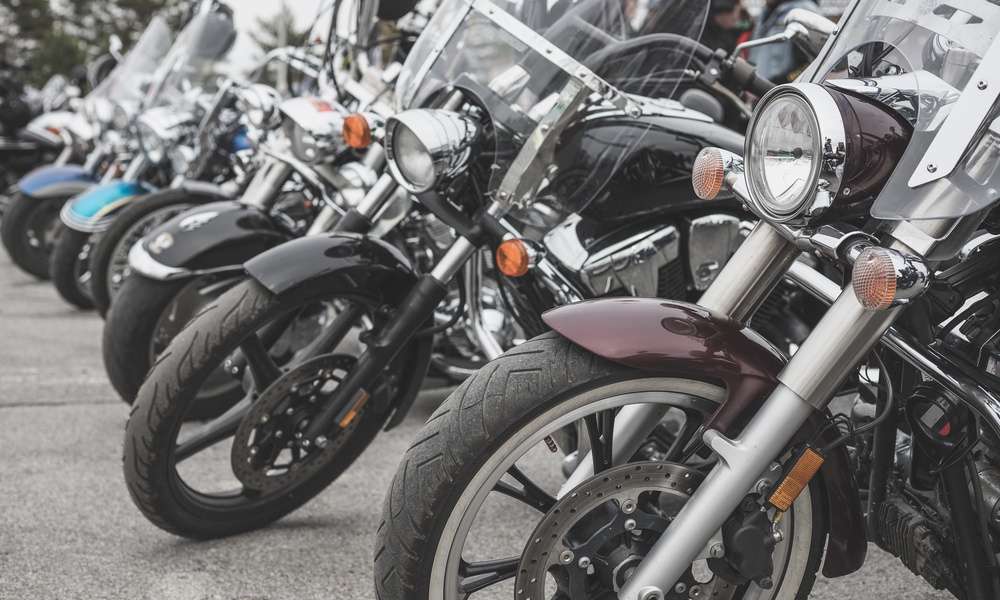
Motorcycles continue to grow in popularity as a practical and recreational mode of transportation. With improved fuel efficiency, evolving technology, and a wide range of styles available, they appeal to a broad mix of riders.
However, choosing the right bike involves more than just appearance considerations or brand preferences. Taking the time to understand the key factors to consider when buying a motorcycle can make a significant difference in overall rider satisfaction.
Start With How You Plan To Ride
When it comes to buying a motorcycle, the first step is understanding how it will fit into your day-to-day life. Some riders look for a practical way to commute, while others want something built for long highway rides or weekend escapes. There are also bikes designed specifically for off-road use or performance riding.
Each category is built with a different purpose in mind, and those differences matter more than most new buyers expect. Determining which type of motorcycle is best for you allows you to align your bike choice with your riding habits.
Determine Engine Size and Power Expectations
Engine size is often one of the first specs people look at, but bigger isn’t always better. While higher displacement engines offer more power, they also tend to be heavier and less forgiving, especially for newer riders.
A mid-range engine—typically between 300cc and 650cc—offers a balance of manageable power and versatility. It’s enough to handle highway speeds without being overwhelming in city traffic. Larger bike engines can be appealing, but they require more experience to handle confidently.
Review Technology and Safety Features
Modern motorcycles have come a long way in terms of built-in technology. Many newer models include safety and performance features that were once limited to high-end vehicles.
Common features now include anti-lock braking systems (ABS), traction control, and selectable ride modes that adjust how the bike responds in different conditions. Some bikes also offer smartphone connectivity and digital displays, which can add convenience without distracting from the ride.
Account for Comfort and Ergonomics
Comfort is sometimes overlooked until it becomes a problem. Riding position varies between motorcycle types, and what might feel fine at first can become uncomfortable over longer rides.
Seat height, handlebar reach, and footpeg placement all influence how natural the riding position feels. A more upright position tends to be easier on the body, while aggressive sportbike positions can put more strain on the wrists and back. Sitting on a bike and test riding it before purchasing can help you avoid issues later.
Think About Cost Beyond the Purchase
The upfront cost of the motorcycle is only part of the equation. Insurance rates can vary depending on the type of bike, and maintenance costs differ by brand and model.
Another key factor to consider when buying a motorcycle is riding gear, which is essential for safety. A quality helmet, gloves, jacket, and boots add to the total investment.
Final Thoughts
Choosing the right motorcycle comes down to understanding your needs and matching them with the right machine. Focusing on function over appearance ensures the bike fits your riding style, experience level, and expectations.
About The Author

Got a Questions?
Find us on Socials or Contact us and we’ll get back to you as soon as possible.