




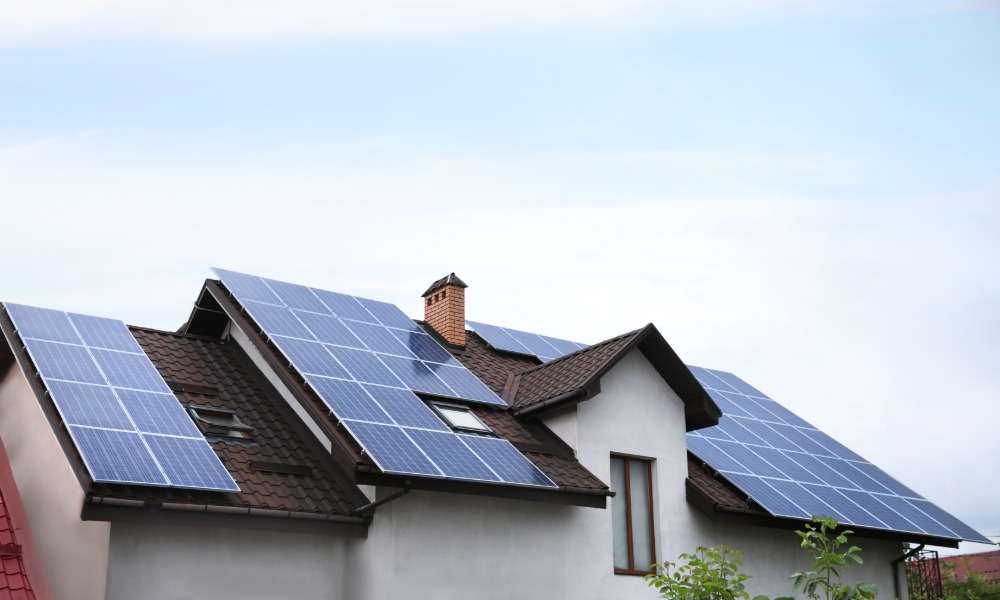
Solar energy systems rely on more than just panels to function effectively. At the heart of any solar setup is the inverter, which transforms the energy produced by your panels into electricity that can power your home or business.
Gaining a clear grasp of this technology begins with understanding the different types of solar invertors and how each one supports energy production in its own way. By recognizing their differences, you can better align your system with your energy goals and installation conditions.
String Invertors
String invertors remain one of the most widely used options in residential and commercial solar systems. They connect a series of panels into a single “string,” which then feeds energy into one central inverter. This setup works best when panels receive consistent sunlight throughout the day. Installers often favor string invertors because they offer a cost-effective solution and straightforward maintenance.
However, performance can drop if one panel underperforms due to shade or debris. Since all panels in the string operate together, the weakest link can impact the entire system. This limitation makes string invertors less ideal for roofs with varying angles or intermittent shading.
Microinvertors
Microinvertors attach directly to individual solar panels, allowing each panel to operate independently. This design helps maximize energy output because one panel’s performance does not affect the others. Homeowners with complex roof layouts or partial shading often benefit from this approach.
While microinvertors typically cost more upfront, they can deliver higher efficiency over time. They also allow for easier system monitoring at the panel level, which helps identify and resolve issues quickly. This level of control makes them a strong contender when choosing the right solar invertor for long-term performance.
Power Optimizers
Power optimizers offer a hybrid solution by combining elements of both string invertors and microinvertors. Each panel connects to an optimizer that conditions the electricity before sending it to a central inverter. This setup improves efficiency while maintaining a more centralized system structure.
Power optimizers reduce the impact of shading and panel mismatch, making them a flexible option for many installations. They also support detailed performance tracking without requiring a full microinverter system, which can help balance cost and functionality.
Hybrid Invertors
Hybrid invertors integrate solar energy systems with battery storage, allowing homeowners to store excess energy for later use. This capability becomes especially valuable during power outages or peak energy pricing periods. Hybrid systems provide greater energy independence and help users manage consumption more strategically.
As energy storage grows in popularity, hybrid invertors continue to gain attention. They support future system expansion and adapt well to evolving energy needs, making them a forward-thinking choice for many users.
Making an Informed Choice
Selecting the right inverter shapes how efficiently your solar system performs over time. By understanding the different types of solar invertors, you can better evaluate your options and choose a solution that matches your environment, budget, and energy goals.
About The Author

Got a Questions?
Find us on Socials or Contact us and we’ll get back to you as soon as possible.