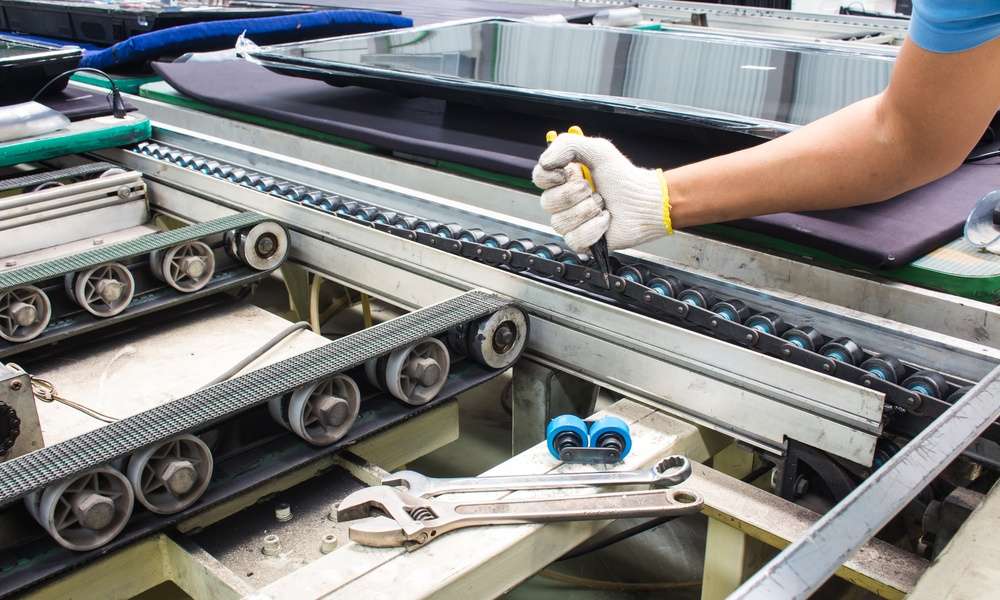
Conveyor belts perform a deceptively simple job: move material from one place to another without creating workplace drama. Yet a small tear, worn edge, or faulty splice can quickly turn that dependable system into an expensive mechanical tantrum.
Recognizing belt problems early helps maintenance teams reduce downtime, protect surrounding components, and avoid replacing an entire belt unnecessarily. Keep reading to understand the most common types of conveyor belt damage and how to fix them.
1. Surface Abrasion
Rocks, metal parts, packaging, and other rough materials can gradually wear away the belt’s top cover. The damaged area may look polished, scratched, or noticeably thinner than the surrounding surface.
Technicians can repair minor abrasion with a compatible cold-bond repair compound or a vulcanized patch. Severe wear may require replacing the affected belt section and adjusting loading conditions to reduce frequent friction.
2. Cuts and Gouges
Sharp materials can slice through the belt cover or create deep channels across its surface. A shallow cut may look harmless, but trapped debris and consistent tension can push the damage deeper into the belt carcass.
Clean the area, remove loose material, and fill small cuts with an approved repair compound. For deeper damage, install a reinforced patch or replace the affected section before the belt decides to audition for the role of industrial confetti.
3. Edge Damage
A belt that tracks too far to one side may rub against the conveyor frame, guards, or structural supports. This contact can fray the edges, expose internal fabric, and reduce the belt’s usable width.
Repair crews should correct the tracking problem before trimming loose material or patching the damaged edge. Check roller alignment, pulley condition, loading position, and belt tension to identify the source of the sideways movement.
4. Delamination
Delamination occurs when the belt’s layers begin separating. Moisture, chemical exposure, impact damage, excessive heat, or poor adhesion can create bubbles, raised sections, and soft spots.
Small areas may accept a repair bond after technicians clean and prepare the layers. Widespread delamination usually signals structural failure, making belt replacement the safer and more reliable choice.
5. Splice Failures
A splice joins two belt ends, so it must withstand frequent flexing, tension, and contact with pulleys. Loose fasteners, peeling splice material, or visible gaps can weaken the connection and threaten the entire system, which is why conveyor belt splicing is so important.
Technicians should remove damaged splice material, square the belt ends, and install a new mechanical or vulcanized connection. Understanding splice failures can help maintenance teams choose a repair method that supports belt strength, alignment, and dependable operation.
Stop Small Damage from Becoming Big Downtime
Now you should have a better understanding of the types of conveyor belt damage and how to fix them properly. Routine inspections help technicians spot damage early while repairs remain manageable. Teams should inspect belt surfaces, edges, tracking, tension, rollers, pulleys, and splices rather than waiting for smoke, noise, or a suspicious pile of material beneath the conveyor.
A quick repair can extend belt life, but maintenance teams should never patch over the cause. Correcting alignment, loading, tension, and component problems keeps the same damage from returning with an irritating sequel.