




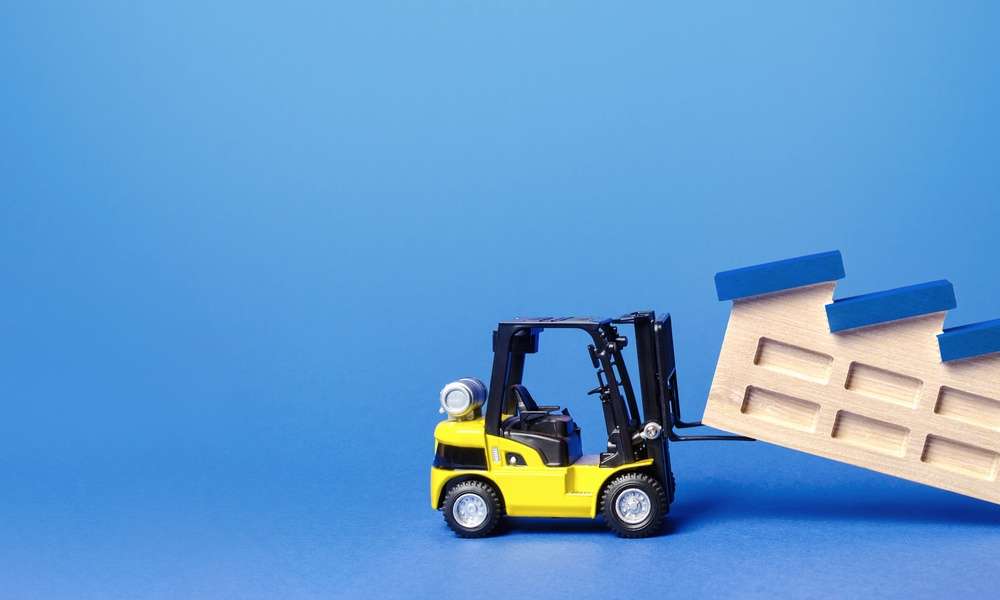
Modern factories depend on tightly connected machines, software, sensors, and supply chains. Moving that entire system is less like changing addresses and more like rebuilding a giant computer while it’s still running. With phased planning, factories relocate without stopping production by transferring equipment and operations in a carefully controlled sequence.
Stagger Equipment Shutdowns
Rather than pulling every plug at once, factories shut down individual machines or production cells according to a detailed sequence. Equipment with available backups can leave first, while critical systems remain active.
Teams use production data to determine which machines can tolerate downtime and which ones must keep humming. Teams may schedule transfers during weekends, overnight shifts, or periods of lower demand.
Run Temporary Production Lines
A temporary line can handle essential orders while permanent equipment is being moved and recommissioned. It may operate in unused floor space, a nearby facility, or an isolated section of the new plant. Although it may lack the speed of the main line, it protects basic output.
By planning industrial relocation logistics carefully, factories can coordinate shutdowns and installations without disrupting the entire operation. Temporary setups work best when teams identify utility, staffing, and material requirements early. Without that preparation, a temporary line can quickly become inefficient and more expensive than expected.
Duplicate Critical Equipment
Some factories install backup machinery at the new location before removing the original system. Duplicate equipment can support high-demand processes, quality inspections, or operations with little tolerance for downtime. The method costs more upfront but provides a useful operational safety net.
Teams can decide which equipment to duplicate by asking three key questions:
- Does the machine control a bottleneck?
- Would its failure stop multiple processes?
- Can another facility absorb its workload?
Build Buffers and Time Transfers
Inventory buffers help factories relocate without stopping production by maintaining enough finished goods or components to cover planned downtime. Teams produce extra finished goods or components before each shutdown phase, using demand forecasts to avoid excessive stock.
Equipment transfers must then follow the installation order at the destination. Machines needed first should arrive first, along with their controls, tools, and support systems. Careful labeling and tracking prevent a vital component from taking an unscheduled road trip in the wrong truck.
Phased relocation cannot eliminate every delay. However, staggered shutdowns, temporary lines, backup equipment, and inventory buffers reduce the chance of a complete production halt. Success depends on connecting the production schedule with transportation and startup plans. With the right strategies in place, factories can keep up with demand while gradually moving.
About The Author

Got a Questions?
Find us on Socials or Contact us and we’ll get back to you as soon as possible.