




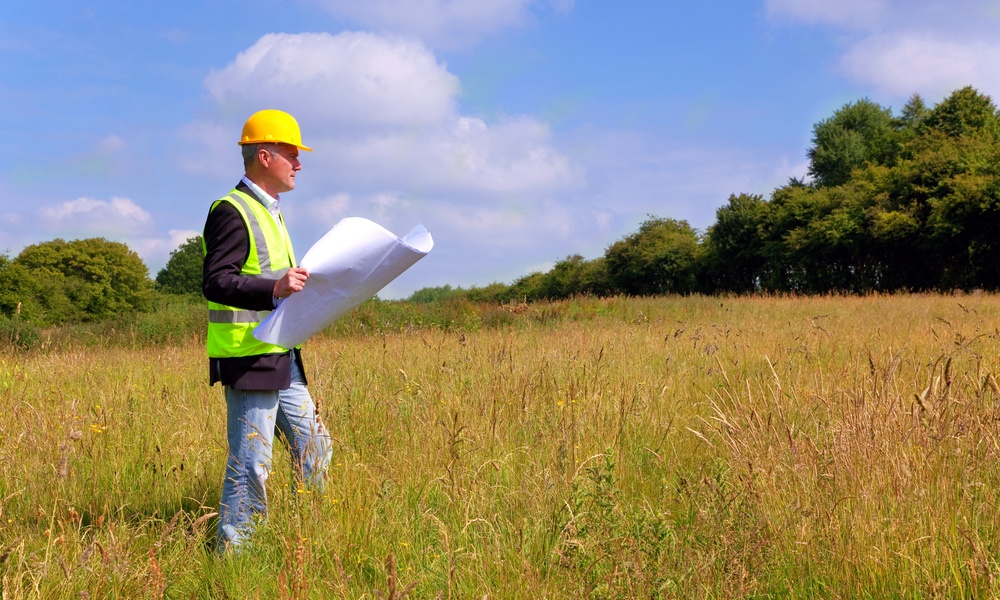
Protecting natural landscapes while completing essential work has become a priority across countless industries. Utility companies, municipalities, contractors, and land managers are all under greater pressure to maintain infrastructure without causing unnecessary environmental disruption. At the same time, expectations for efficiency continue to grow, creating the need for equipment that can accomplish more while leaving a smaller footprint.
This shift has made innovation an important part of responsible land management. Rather than relying on traditional methods that may require extensive clearing, heavy machinery, or repeated site visits, many organizations are investing in equipment designed to minimize disturbance while maintaining productivity. How specialized equipment supports environmental stewardship is no longer simply a question of sustainability—it is becoming a practical approach to preserving resources and protecting surrounding ecosystems.
Reducing Disturbance to Natural Landscapes
One of the greatest environmental benefits of specialized equipment is its ability to complete work with minimal disruption to the surrounding area. Conventional machinery often requires larger access routes, extensive maneuvering space, or repeated passes across sensitive ground. Each of these factors can contribute to soil compaction, vegetation loss, and long-term habitat disruption.
Purpose-built equipment is designed to access difficult terrain more efficiently. Whether working on steep slopes, wetlands, roadside embankments, or utility corridors, operators can complete maintenance with greater precision and fewer unnecessary movements across the landscape. Less disturbance means native vegetation has a better opportunity to recover naturally, reducing the need for additional restoration efforts after the project is complete.
This approach becomes especially valuable in environmentally sensitive areas where protecting existing ecosystems is just as important as completing maintenance work.
Protecting Soil Health
Healthy soil forms the foundation of every ecosystem. It supports plant growth, regulates water movement, and provides habitat for countless organisms beneath the surface. Heavy equipment that repeatedly travels across the same areas can compress soil, limiting airflow, reducing water infiltration, and making it harder for vegetation to thrive.
Specialized machinery often incorporates designs that distribute weight more effectively or provide improved stability across uneven terrain. By reducing unnecessary ground pressure, operators help preserve soil structure while still performing required maintenance tasks.
Healthier soil also contributes to improved erosion resistance. Vegetation establishes more easily in uncompacted ground, helping stabilize slopes and prevent sediment from entering nearby waterways during heavy rainfall.
Supporting Responsible Vegetation Management
Environmental stewardship does not always mean leaving vegetation untouched. In many cases, responsible management is essential for maintaining healthy ecosystems and protecting surrounding communities.
Overgrown vegetation can create wildfire hazards, obstruct transportation routes, interfere with utility infrastructure, and crowd out native plant species. The challenge lies in removing unwanted growth without causing unnecessary damage to desirable vegetation or surrounding habitats.
Specialized equipment allows crews to work with greater accuracy, targeting specific vegetation while preserving the areas that should remain intact. This selective approach supports healthier landscapes over time while reducing the environmental costs associated with broad clearing methods.
When vegetation management becomes more precise, maintenance activities align more closely with long-term conservation goals.
Lowering Fuel Consumption and Emissions
Efficiency plays an important role in environmental responsibility. Equipment that completes work more quickly, requires fewer passes, or performs multiple functions reduces overall fuel consumption.
Modern specialized machinery often combines advanced hydraulics, improved power management, and optimized attachment systems that allow operators to accomplish more during a single deployment. Fewer operating hours translate into lower emissions and reduced fuel costs over the life of a project.
Although individual savings may appear modest, these efficiencies become substantial when multiplied across large maintenance programs that operate throughout the year.
Organizations seeking to reduce their environmental footprint often find that operational efficiency and sustainability support one another rather than competing priorities.
Preserving Wildlife Habitat
Maintenance projects frequently occur near habitats that support birds, mammals, reptiles, and beneficial insects. Large-scale disturbance can fragment habitats or temporarily displace wildlife, especially during nesting or breeding seasons.
Specialized equipment allows maintenance to be performed within narrower work areas while avoiding unnecessary expansion into surrounding natural environments. Operators can focus on designated maintenance zones instead of disturbing adjacent habitat that does not require attention.
This targeted approach helps maintain ecological balance while still allowing essential infrastructure maintenance to proceed safely.
Environmental stewardship is often achieved through thoughtful planning combined with equipment capable of executing that plan accurately.
Enhancing Long-Term Sustainability
Short-term solutions often create long-term environmental costs. Clearing more land than necessary or repeatedly revisiting maintenance sites can increase fuel use, labor requirements, and ecosystem disruption over time.
Specialized equipment supports sustainable management by improving both the quality and consistency of maintenance activities. Better results today often reduce the frequency of corrective work tomorrow.
This long-term perspective benefits organizations financially while reducing cumulative environmental impacts across multiple maintenance cycles.
Sustainability becomes more achievable when maintenance strategies focus on preserving existing natural systems rather than repeatedly repairing preventable damage.
Increasing Safety While Protecting the Environment
Worker safety and environmental stewardship frequently go hand in hand. Equipment that enables operators to maintain greater distance from hazardous areas can also reduce the need for extensive ground access, minimizing disturbance to surrounding landscapes.
Remote-operated equipment, for example, allows crews to manage vegetation in steep, unstable, or difficult-to-access locations without placing personnel directly in hazardous conditions. At the same time, these machines can often perform maintenance with greater precision than conventional methods.
Understanding the relationship between operator protection and responsible land management becomes increasingly important for organizations maintaining utility infrastructure. Understanding the role of remote mowers in utility ROW safety illustrates how modern equipment can improve worker protection while reducing unnecessary impacts on surrounding environments.
Innovation Continues to Improve Environmental Outcomes
Equipment manufacturers continue developing technologies that support both productivity and conservation. Improved attachment systems, enhanced maneuverability, smarter hydraulic controls, and remote operating capabilities all contribute to more responsible maintenance practices.
These innovations allow organizations to adapt to increasingly complex environmental expectations without sacrificing operational performance. As regulations evolve and public awareness of environmental issues grows, investment in advanced equipment becomes both a practical and strategic decision.
Organizations that embrace these technologies position themselves to meet today’s operational demands while preparing for future sustainability goals.
Improve Conservation Efforts
Environmental stewardship is no longer limited to conservation organizations or regulatory initiatives. It has become an essential part of responsible infrastructure management, vegetation maintenance, and land development. The equipment selected for these projects plays a direct role in determining how much land is disturbed, how efficiently work is completed, and how well surrounding ecosystems are preserved.
How specialized equipment supports environmental stewardship becomes clear through reduced soil disruption, improved vegetation management, lower emissions, enhanced worker safety, and more sustainable maintenance practices. By choosing equipment designed for precision and efficiency, organizations can accomplish essential work while protecting the natural resources that support communities for generations to come.
About The Author

Got a Questions?
Find us on Socials or Contact us and we’ll get back to you as soon as possible.