




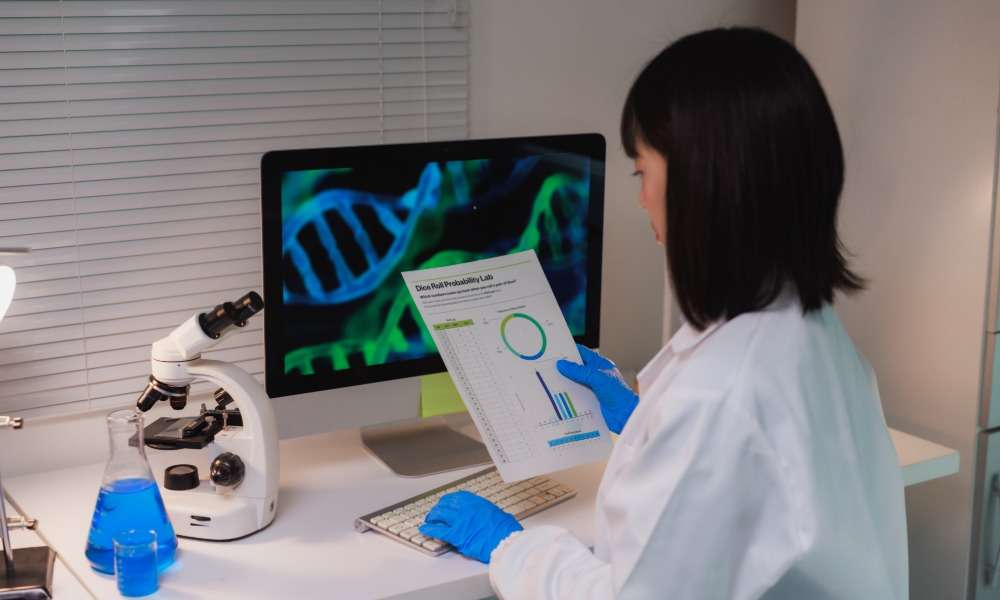
Every great gadget relies on reliable data, and laboratory technology follows the same rule. Modern labs now combine powerful instruments with intelligent software to produce faster, more dependable results. Researchers no longer rely on guesswork when advanced systems can spot tiny differences that older equipment often misses. Constant improvement keeps industries moving forward while giving science lovers another reason to appreciate clever engineering. Let’s explore the tech behind more accurate lab results and why these advancements matter to end-users and consumers.
Smarter Instruments Catch Smaller Details
Today’s analytical equipment detects particles, chemicals, and materials with remarkable precision. High-resolution sensors gather more information during every test without slowing the workflow. Better optics, improved calibration, and advanced electronics reduce measurement errors before they create bigger problems. This combination gives researchers greater confidence when they review the final data.
Software Makes Every Measurement Count
Modern laboratory software does far more than store numbers in a spreadsheet. Intelligent algorithms compare results, identify unusual patterns, and flag potential issues before they grow into expensive setbacks. Teams also overcome common challenges during method validation by reviewing detailed datasets that reveal trends across repeated testing. Instead of spending hours searching for inconsistencies, scientists can focus on improving methods and solving bigger research questions.
Technologies That Improve Accuracy
Several innovations work together behind the scenes to deliver dependable laboratory results. Each upgrade strengthens another part of the testing process instead of acting alone. Modern laboratories often rely on the following technologies:
- High-resolution analytical instruments for precise measurements.
- Automated sample handling that reduces human error.
- Artificial intelligence for pattern recognition and quality checks.
- Cloud-based data management for secure collaboration.
- Real-time monitoring that catches unexpected changes quickly.
These technologies create a stronger testing environment while helping researchers maintain consistent performance. Better tools also reduce wasted samples and improve confidence in every report.
Automation Removes Everyday Headaches
Nobody enjoys repeating the same task hundreds of times, especially when accuracy matters. Automated systems prepare samples, monitor testing conditions, and record results with impressive consistency. This reliability helps laboratories process larger workloads without sacrificing quality or speed. Researchers gain more time to analyze findings instead of babysitting repetitive procedures.
More accurate laboratory results support everything from medical research to advanced manufacturing and consumer technology. Strong data allows engineers to improve products while giving scientists dependable evidence for future discoveries. Every technological upgrade strengthens the connection between careful testing and real-world innovation. The next breakthrough might grab headlines, but the precision behind today’s laboratory technology makes that exciting future possible.
About The Author

Got a Questions?
Find us on Socials or Contact us and we’ll get back to you as soon as possible.