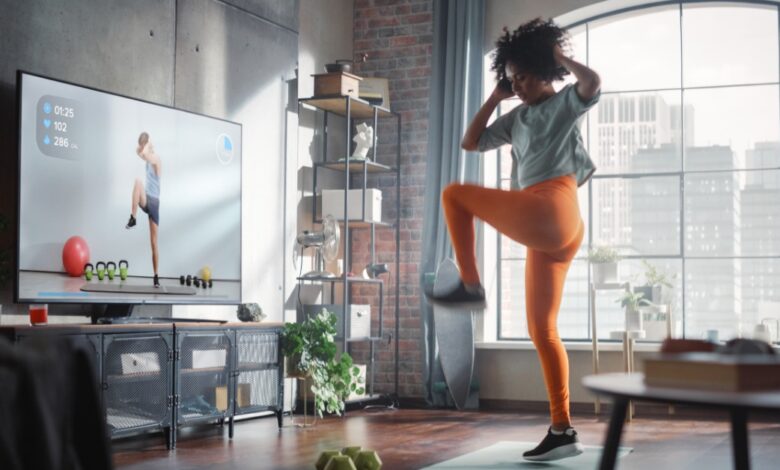
Building a stronger core does not require a gym membership or an awkward battle with a complicated weight machine. Your core works whenever you stabilize your body or control movement during everyday activities.
Training those muscles outside a traditional gym can make exercise easier to fit into a busy schedule. It can also spare you from waiting behind someone who has claimed the squat rack as their personal office. Follow along to learn a few ways to build core stability without a traditional gym and enjoy a healthier lifestyle.
Start With Bodyweight Exercises
Bodyweight exercises offer one of the simplest ways to develop core stability almost anywhere. Planks challenge the abdominal muscles while requiring the hips and back to maintain a controlled position. Dead bugs provide another useful option because they teach you to move your limbs without allowing your torso to shift. These exercises require little space, so a bedroom or living room can quickly become a practical training area.
Good technique matters more than holding a position until your entire body starts negotiating for mercy. Keep your spine neutral and focus on maintaining steady tension through your abdominals during each movement. Stop a set when your hips sag, or your lower back begins compensating for tired muscles. Consistent practice with clean form usually provides more value than chasing unnecessarily long sets.
Use Everyday Movement to Challenge Your Core
Core training does not always need to look like a formal workout session. Carrying groceries, climbing stairs, and moving household items all require the torso to stabilize the body against changing forces.
Paying closer attention to posture during these activities can turn ordinary movement into useful practice. You still need dedicated exercise for meaningful progress, but daily movement can reinforce the control you develop during workouts.
Walking can also contribute when you approach it with good mechanics and purposeful posture. Keep your torso tall and let your arms swing naturally, rather than stiffening your upper body. Uneven outdoor surfaces can create small stability challenges that force the body to make constant adjustments.
Train With Resistance Bands
Resistance bands can add difficulty without requiring a collection of heavy weights in your home. Exercises such as Pallof presses challenge the core because the band pulls the torso toward rotation. Your abdominal muscles must resist that force while you maintain a stable position throughout each repetition. This approach trains control instead of relying only on repeated bending through the waist.
Bands also allow you to adjust resistance by changing your distance from the anchor point. Start with manageable tension that lets you maintain good posture throughout the entire range of motion.
Increase resistance gradually once you can perform each repetition without twisting or leaning toward the band. This progression keeps the exercise challenging without turning your living room into an accidental physics experiment.
Add Pilates to Your Routine
Pilates emphasizes controlled movement, breathing, alignment, and muscular coordination rather than simply completing as many repetitions as possible. Many Pilates exercises require the trunk to remain stable while the arms or legs move independently. That combination can help you recognize when your spine begins drifting away from efficient alignment. Better awareness can make other exercises feel more controlled.
You can start with mat exercises or incorporate compact equipment as your experience grows. Learning the ways at-home Pilates equipment supports body awareness can also help you understand how resistance and feedback influence movement quality.
Equipment can provide physical cues that encourage better positioning while challenging the muscles responsible for stability. The goal should remain controlled movement rather than rushing through repetitions just because the workout happens in your living room.
Create a Simple Home Core Circuit
A short circuit can provide focused training without requiring an elaborate home gym. Choose exercises that challenge stability in different positions rather than performing endless variations of crunches. Keep each movement controlled and allow enough recovery to maintain proper technique throughout the session.
A practical beginner circuit might include:
- Forearm plank for 20 to 40 seconds
- Dead bug for 8 to 12 controlled repetitions per side
- Pallof press for 8 to 12 repetitions per side
- Bird dog for 8 to 10 repetitions per side
- Single-arm carry for 20 to 40 seconds per side
Repeat the circuit based on your current fitness level instead of forcing sloppy repetitions. Two quality rounds can provide a better starting point than five rounds performed with deteriorating form. As your stability improves, gradually increase the duration, resistance, or difficulty of individual exercises.
Focus on Breathing and Bracing
Breathing plays an important role in maintaining stability during core exercises. Many people instinctively hold their breath when an exercise becomes difficult, which can make movement feel tense and uncontrolled. Practice steady breathing while maintaining enough abdominal tension to support your torso throughout each repetition. This skill can transfer to recreational activities and other exercises.
Bracing does not mean pulling your stomach inward as tightly as possible. Think about creating firm tension around your midsection while still breathing normally. That tension should help your torso resist unwanted movement without making the rest of your body rigid.
Increase Difficulty Without Adding Gym Machines
Progress does not always require heavier equipment or a monthly membership fee. You can make familiar exercises harder by slowing the movement, increasing the lever length, or reducing your base of support.
A standard plank may eventually progress into shoulder taps or other controlled variations that challenge stability. Each progression should increase the demand while still allowing you to maintain strong positioning.
Avoid increasing difficulty simply because an exercise looks impressive on social media. Complicated movements provide little benefit when you cannot control your spine or maintain proper alignment. Master the basic version before adding instability or extra resistance.
Make Consistency the Main Goal
Core stability develops through regular practice, not occasional marathon workouts. Two or three focused sessions each week can provide a practical starting point for many adults.
Short sessions also make training easier to maintain when work, errands, and other responsibilities compete for your time. A 20-minute workout you actually complete will always outperform the heroic 90-minute routine you keep postponing until next Monday.
Track progress through improvements in control instead of relying only on appearance or exercise duration. You may notice better posture during long workdays or greater confidence during recreational activities as your stability improves. Exercises that once caused shaking may also begin to feel smoother and more manageable.
Build a Stronger Core on Your Own Terms
A traditional gym offers useful equipment, but it doesn’t have exclusive rights to effective core training. The best approach combines proper technique with gradual progression and a schedule you can realistically maintain. That makes core training accessible whether you have a dedicated workout room or just enough floor space to avoid kicking the coffee table.
Strong core muscles support movement far beyond exercise sessions. Better stability can help you control your body during sports, household tasks, outdoor activities, and other physical demands. Focus on movement quality and give your body enough time to adapt as exercises become more challenging. You can build serious core stability without a traditional gym.