Helpful Tips for Planting Trees in Your Backyard
Try out this extensive list of helpful tips for planting trees in your backyard if you want to expand your landscape at home with great results.

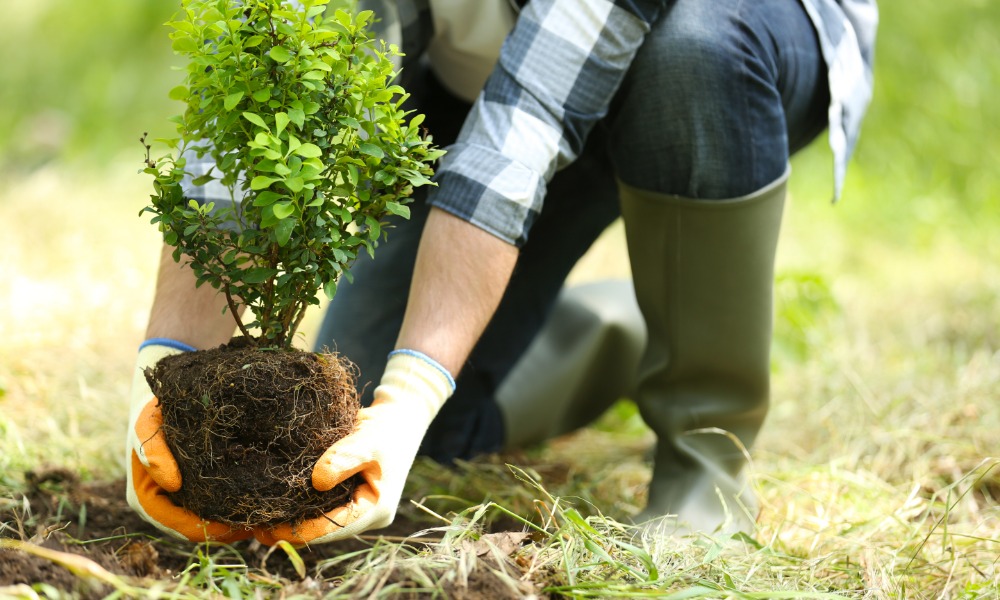
A beautiful backyard has a way of making home feel a little more inviting, and the right trees can add an entirely new dimension to that space. From generous shade on summer afternoons to colorful foliage each fall, trees bring character, comfort, and natural beauty to a landscape. These helpful tips for planting trees in your backyard will help you create an attractive landscape that can thrive for decades.
Table Of Content
- Give Your Trees Enough Room to Grow
- Pay Attention to Sunlight and Soil Conditions
- Dig a Hole That Supports Healthy Root Development
- Water New Trees With Care
- Use Mulch to Protect the Root Zone
- Plan Around Your Patio and Outdoor Features
- Create a Backyard Landscape That Grows More Beautiful With Time
- Like this
- Related
Give Your Trees Enough Room to Grow
A young tree might look perfectly comfortable just a few feet from your patio, but that arrangement can become troublesome as the years pass. Roots expand beneath the soil, branches stretch outward, and trunks gradually become much wider. What looks like an empty corner today could become a crowded space within a decade.
Take the tree’s mature height and canopy width into account before you choose its location. Keep generous distances between trees and nearby structures, fences, utility lines, and paved surfaces. The exact clearance depends on the species, so consult a local arborist or nursery professional before you commit.
Pay particular attention to decorative concrete patios and walkways. Tree roots can contribute to pavement displacement under certain conditions, especially when soil movement or existing cracks create opportunities for root expansion. A thoughtful layout gives your landscape room to mature without unnecessary conflicts.
Pay Attention to Sunlight and Soil Conditions
Trees have preferences, just like the flowers and shrubs elsewhere in your garden. Some thrive beneath full afternoon sunshine, whereas others prefer partial shade or protection from intense exposure. A location that suits one species beautifully might leave another struggling to establish healthy roots.
Spend a few days observing how sunlight moves across your backyard. Notice where shadows fall during the morning, afternoon, and evening. These observations can help you select a tree that matches the conditions already present.
Backyards can contain everything from dense clay to sandy soil, and drainage varies considerably between properties. If water collects in a particular spot after heavy rain, choose a species tolerant of wetter conditions or find another location. A soil test can also reveal nutrient deficiencies or unsuitable pH levels. Your local university extension service can provide guidance on soil tests and appropriate amendments.
Dig a Hole That Supports Healthy Root Development
A successful tree installation starts beneath the surface. The hole should generally be two to three times wider than the root ball, with enough depth to position the root flare at or slightly above the surrounding soil level. That flare is the area where the trunk broadens into the upper roots. Knowing information like this is critical to preventing tree root damage to a decorate concrete walkway at home. Giving the roots enough breathing room ensure they grow comfortably over the years.
Avoid the temptation to dig an excessively deep hole. If the root ball settles too far below the surface, moisture and soil can accumulate against the trunk. Over time, this can contribute to poor root health and other complications.
Gently loosen or correct circling roots according to nursery guidance before placing the tree in its new home. Refill the hole primarily with the original soil, and water thoroughly to settle the soil around the roots. Avoid heavy compaction, since roots need access to both moisture and oxygen.
Water New Trees With Care
New trees need consistent moisture, particularly during their first few years. Their root systems haven’t yet expanded far into the surrounding landscape, so they depend heavily on the soil immediately around the root ball. Long stretches of dry weather can leave them vulnerable to stress.
Deep, gradual watering generally works better than brief daily splashes. Apply water across the root ball and adjacent soil, then check moisture levels before the next application. The ideal frequency depends on rainfall, soil texture, tree size, and seasonal temperatures.
Too much water can be just as troublesome as too little. Saturated soil limits oxygen around the roots and can contribute to decline. Check the soil several inches below the surface rather than relying solely on its appearance.
Use Mulch to Protect the Root Zone
A neat layer of organic mulch gives a newly planted tree a polished appearance and offers practical benefits. Wood chips or shredded bark can help conserve soil moisture, moderate temperature fluctuations, and reduce competition from nearby grass. Mulch also creates a buffer between the trunk and lawn equipment.
Spread approximately two to three inches of mulch around the tree, with a generous radius if space allows. Leave a few inches of bare ground directly around the trunk. Mulch piled against bark can trap excess moisture and encourage decay.
Refresh the mulch as it decomposes, but avoid excessive buildup. A broad, shallow layer is far more beneficial than a tall mound around the base.
Plan Around Your Patio and Outdoor Features
Trees can become beautiful companions to backyard patios, garden paths, and outdoor entertainment areas. A thoughtfully placed shade tree can soften afternoon sunshine over a nearby seating area. Ornamental varieties can also frame a patio without obstructing the view across the yard.
Consider the tree’s future canopy, leaf drop, and root spread before finalizing your landscape. For example, a smaller ornamental tree near a garden path might offer seasonal color without creating the same space demands as a mature maple. Allow room for furniture, foot traffic, and routine yard maintenance.
If you anticipate a new concrete patio or walkway in the future, incorporate those plans into your tree layout now. This can help prevent conflicts between mature roots and future construction.
Create a Backyard Landscape That Grows More Beautiful With Time
The best backyard landscapes develop gradually, with trees, plants, and outdoor features complementing one another as they mature. These helpful tips for planting trees in your backyard can help you choose suitable species, establish healthy roots, and avoid common landscape problems. With thoughtful placement and consistent care, your trees can become a cherished part of your property for generations. Rely on the tips above to start creating an amazing landscape today.








No Comment! Be the first one.