




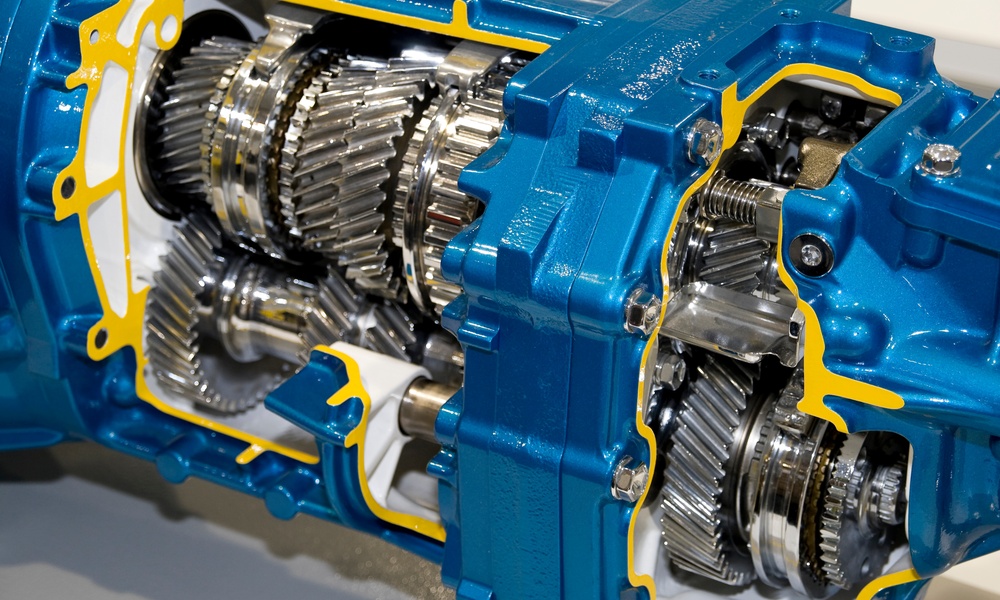
An industrial gearbox is a critical component in many machinery systems, designed to manage the transfer of power efficiently. However, when it starts vibrating, it’s not just unnerving, it could signal underlying problems that can lead to downtime or costly repairs.
Addressing vibration issues promptly is vital to maintaining operational reliability and ensuring workplace safety. Read on as we outline the steps to take if an industrial gearbox vibrates in your facility.
Shut Down the Equipment Immediately
The first and most important step when noticing abnormal vibrations is to shut down the equipment without hesitation. Operating machinery while the gearbox vibrates can worsen existing issues, damage neighboring components, and pose a safety hazard to workers.
Once the equipment has stopped, notify the maintenance team to assess the situation promptly. Timely action often prevents a minor problem from escalating into a significant, costly failure.
Conduct a Visual Inspection
A visual inspection should always follow the immediate shutdown. Start by checking the exterior of the gearbox for loose bolts or covers, external physical damage, or lubricant leakage.
Components within the machine that are visibly worn, cracked, or misaligned could also contribute to excessive vibration. Take note of whether the lubrication in the gearbox appears dirty or insufficient, as this could reduce its ability to function smoothly.
Inspect for Damaged Components
Once you’ve identified the vibration pattern, it’s time to dig deeper into the gearbox’s components. Gears, bearings, and shafts should be thoroughly inspected for signs of wear, cracking, or misalignment.
Bearings, for instance, may exhibit pitting or discoloration if they are damaged or overworked. Worn out gears could also shift incorrectly and lead to irregular vibrations. Catching these signs early could save you from needing expensive replacement parts or, worse, a completely new gearbox.
Check the Lubrication
Vibration issues in an industrial gearbox are often linked to subpar lubrication conditions. Assess the type, level, and cleanliness of the lubricant. If the lubricant has degraded, contains contaminants, or isn’t the right type for the gearbox, it can cause moving parts to overheat and vibrate. Replacing or replenishing the lubricant with the correct specification can stabilize the system.
Ensure Proper Alignment
Misalignment between the gearbox and the connected equipment is a common source of vibration issues. Even slight deviations in alignment can place uneven stress on the components, amplifying vibration and accelerating wear.
Use laser alignment tools or other precision instruments to realign the system. Correcting this misalignment will significantly improve the performance and durability of the machinery.
Know When Replacement Is Necessary
Sometimes, no amount of repair effort can resolve the problem. If vibrations persist despite addressing lubrication, alignment, and component wear, your gearbox may have reached the end of its lifecycle.
The signs you need a new industrial gearbox include consistent overheating, recurring breakdowns even after repairs, or components wearing out faster than normal. Upgrading to a new gearbox may offer better energy efficiency and reduce long-term costs.
Dealing with a vibrating industrial gearbox is stressful and costly, which is why proactive maintenance is your best defense. Routine inspections, lubrication checks, and alignment verifications can reduce the likelihood of vibration issues before they arise. Addressing potential problems early extends the lifespan of your gearbox, avoids costly downtime, and ensures a safer working environment.
About The Author

Got a Questions?
Find us on Socials or Contact us and we’ll get back to you as soon as possible.