




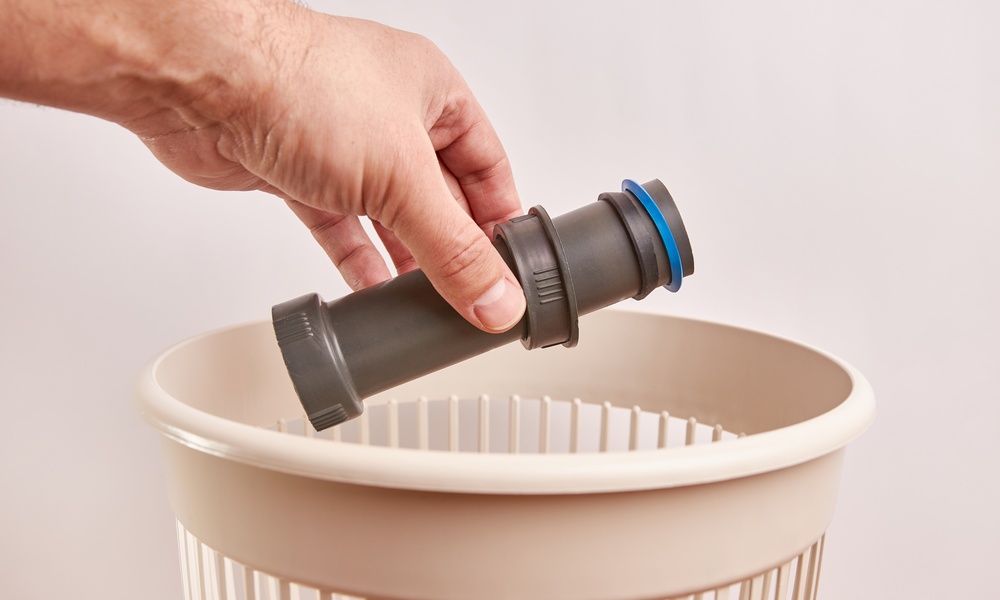
Proper waste management isn’t just a trend. It’s a responsibility that professionals need to prioritize, especially in industries that affect water supplies, construction, and infrastructure. Finding practical ways to reduce waste, recycle materials, and promote sustainability can elevate plumbing businesses in particular. Implementing the following waste management strategies for professional plumbers in daily operations comes with many benefits.
Reduce Waste Through Smart Material Choices
An effective way to manage waste is to be mindful of the materials you bring into your operation. Source plumbing parts, tools, and materials with durability in mind. Long-lasting components reduce the frequency of replacements, cutting down on waste generation over time. Using fittings made from recyclable materials ensures excess or damaged parts go through a responsible processing cycle instead of heading straight to a landfill.
When installing new systems or repairing older ones, keep track of commonly discarded materials, such as scrap metal, plastics, and pipe materials. Separate them systematically to increase the likelihood of reusing or recycling each one. This change can lead to significant reductions in overall waste.
Recycle Plastics and Other Materials
Polypropylene caps are recyclable along with other common plastic materials used in the plumbing industry. These caps are often used for transporting and protecting pipes or other components and can pile up quickly if discarded indiscriminately.
Partner with local recycling facilities that accept polypropylene and repurpose it into useful parts. If your area lacks programs for specific items, try collaborating with regional or specialized facilities to find creative ways to keep waste low.
Repair Before You Replace
Repairing broken or malfunctioning systems instead of replacing them is another effective waste management strategy for professional plumbers. Not every issue requires a full system overhaul. Instead, patching or upgrading specific components can extend the life of plumbing infrastructure without generating unnecessary waste.
For example, if a section of pipe sustained damage, replacing only that section using couplings or compression fittings can minimize material consumption. Similarly, repairing fixtures instead of swapping them wholesale saves on manufacturing demand and prevents additional products from premature discarding.
Educate Clients on Sustainable Plumbing Practices
Plumbers can encourage clients to adopt sustainable habits that align with their eco-friendly commitments. Clients who understand how their everyday habits contribute to waste and environmental damage are more likely to support greener practices.
Consider informing them about water-saving fixtures, such as low-flow taps and dual-flush toilets. You can also provide information on proper disposal methods for household items that impact plumbing systems, such as grease, wipes, and cleaning chemicals.
These waste management strategies allow professional plumbers to lessen their environmental impact and appeal to eco-conscious clients. From using recyclable materials to educating customers, there are countless ways to make plumbing operations more sustainable.
About The Author

Got a Questions?
Find us on Socials or Contact us and we’ll get back to you as soon as possible.