Metal looks tough by default, but harsh conditions reveal how much alloys differ. Heat weakens some materials faster, while saltwater attacks others. Meanwhile, repeated friction gradually removes material until a part no longer performs as intended by engineers.
To understand why some metals survive harsh conditions better, engineers study how each material reacts to its environment. Chemistry matters, but processing matters too. For example, a metal that performs well inside a dry machine might struggle in a marine environment where moisture never lets up.
Alloy Chemistry Changes the Starting Point
Pure metals rarely provide all the properties engineers need. Instead, manufacturers combine metals with other elements to change how the finished material behaves under stress.
The right addition might improve corrosion resistance, while another might increase hardness. As a result, the final alloy gives engineers a material designed for a more specific job.
This explains why two parts that look nearly identical can perform differently after years of use. In many cases, the difference lies inside the metal rather than on its surface.
Therefore, engineers choose alloy chemistry based on the conditions a part will face. A component exposed to saltwater needs different characteristics from one operating near extreme heat.
Corrosion Resistance Matters in Wet Environments
Moisture creates one of the biggest threats to metal components. When salt or chemicals enter the environment, corrosion can progress even faster.
Some alloys naturally form protective surface layers when they come into contact with the surrounding environment. These layers slow further chemical attack and help the metal retain its strength.
Other materials need coatings or careful maintenance to survive the same conditions. Once corrosion reaches deeper areas, it can remove material where the component needs strength most.
Heat Changes More Than the Surface
Extreme temperatures affect how metal behaves internally. High heat can reduce strength or change hardness over time. Temperature cycling creates another problem. Metal expands as it heats and contracts as it cools. When this cycle repeats thousands of times, it places ongoing stress on the material.
Consequently, manufacturers account for this behavior when they choose metals for engines and industrial machinery. Parts near combustion or high-friction areas need enough thermal stability to maintain their shape under demanding conditions.
Heat Treatment Fine-Tunes Metal Performance
Metal selection does not end when manufacturers choose an alloy. Processing also changes how that alloy behaves once it enters service. Heat treatment alters the internal structure of certain metals, and the right process can increase hardness while preserving sufficient toughness for the job.
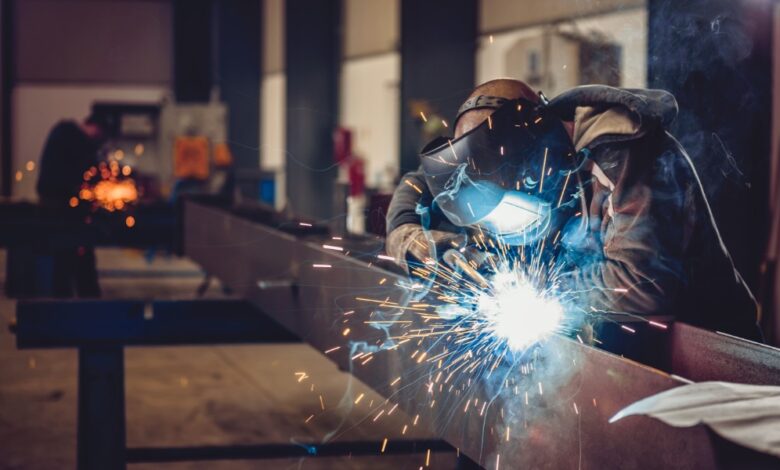
During this process, timing and temperature both matter. Even small changes during manufacturing can produce noticeable differences in the finished component. That is also why C63200 bronze is commonly used in welding. Engineers consider how an alloy behaves during joining because a strong component still needs reliable connections to surrounding parts.
Hardness Does Not Tell the Whole Story
People often associate harder metal with better durability. However, real-world performance involves more than hardness alone. A hard material resists scratching and surface wear well. At the same time, excessive hardness can make a metal less tolerant of sudden impacts.
Toughness describes how well a material handles energy before breaking. Therefore, engineers often need to balance hardness and toughness rather than maximize only one property. For example, a component exposed to repeated impacts needs sufficient toughness to withstand the forces. In contrast, a sliding surface might need greater wear resistance.
Engineers commonly consider these properties:
- Resistance to corrosion in the intended environment
- Strength under expected operating loads
- Toughness when impacts occur
- Stability during temperature changes
- Resistance to surface wear
- Compatibility with nearby materials
No single metal leads in every category. Instead, the best choice depends on what the part needs to survive.
Friction Slowly Tests Every Component
Moving parts constantly rub against other surfaces, and even small amounts of friction can create wear over time. Bearings and bushings show why material choice matters in moving assemblies. These components often sit between harder parts and absorb repeated contact.
A suitable material should resist wear without damaging the surrounding parts. In addition, some alloys perform well when lubrication becomes less effective for short periods. Rough surfaces also create more contact points, which increases wear. To reduce that risk, engineers use careful machining and proper lubrication.
Small Wear Eventually Becomes a Big Problem
Wear rarely causes a dramatic failure on the first day. Instead, the material slowly disappears from the contact surface. As a result, clearances begin to change. Movement becomes less precise, and vibration may increase. Eventually, a small worn area can affect nearby components as well.
Chemical Exposure Demands the Right Alloy
Industrial environments sometimes expose metal to chemicals that attack ordinary materials. Tanks and processing equipment face this challenge every day. A metal that performs well around water might react poorly to another substance. Therefore, engineers need to know which chemicals will contact the part before they choose an alloy.
Concentration also matters. A mild solution might cause little trouble, while a stronger solution can accelerate corrosion. Temperature can also make chemical attack more aggressive. A material that performs well at room temperature might react differently once the process heats up.
For this reason, material selection starts with the actual operating environment rather than a general idea of strength.
Manufacturing Quality Changes Real-World Durability
Even the right alloy can fail early if manufacturing introduces defects. Poor machining or inconsistent processing can create weak points before the part enters service. Manufacturers must also maintain consistent material quality from one batch to the next. They rely on testing and documentation to confirm that metals meet the properties required for demanding applications.
A high-stress component leaves little room for uncertainty. If the material composition falls outside the expected range, heat or repeated loads can change its performance. Good manufacturing does not make metal indestructible. However, it gives the material a better chance of performing as engineers planned.
The Best Metal Depends on the Job
No universal winner exists when it comes to metal durability. Stainless steel works well in many corrosive environments. Meanwhile, aluminum offers low weight when mass matters. The smarter question asks what the metal needs to survive.
When engineers investigate why some metals survive harsh conditions better, they look beyond basic strength. They consider how the environment will attack the material and how the part will move during normal use. This explains why materials science matters in everything, from vehicles to industrial equipment.