
NASA
-
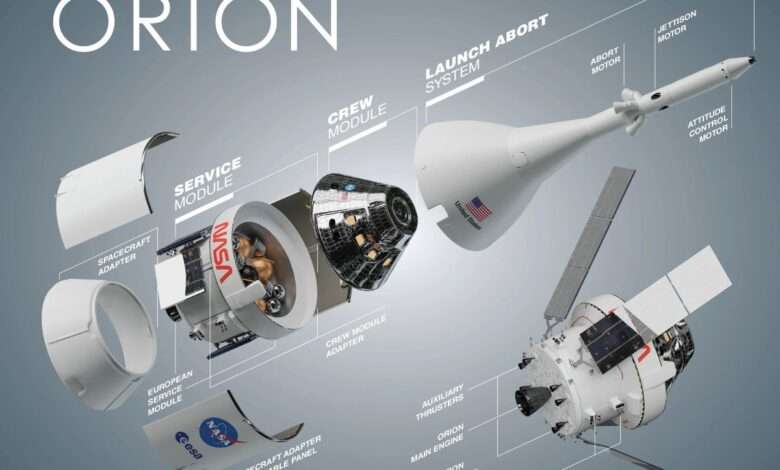
To Protect Artemis II Astronauts, NASA Experts Keep Eyes on Sun
As four astronauts travel around the Moon on NASA’s Artemis II mission, they will venture beyond Earth’s protective magnetic field. The crew’s spacecraft, Orion, will carry and protect them as they journey into deep space and serves as the main protection against the Sun’s intense power. During their 10-day flight, NASA and the National Oceanic and Atmospheric Administration (NOAA) will monitor the Sun around the clock and translate space weather…
Read More » -
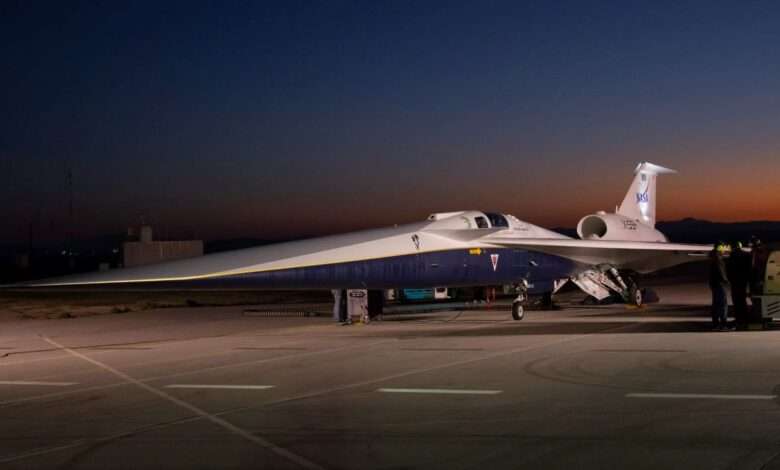
NASA Invites Media to Learn About Upcoming X-59 Test Flights
Editor’s note: This advisory was updated on March 18, 2026, to reflect the new date for the media teleconference and update the participant list. NASA will hold a media teleconference at 5:30 p.m. EDT on Friday, March 20 to highlight plans for its X-59 quiet supersonic aircraft’s upcoming flight tests. The teleconference is set to take place after the X-59…
Read More » -
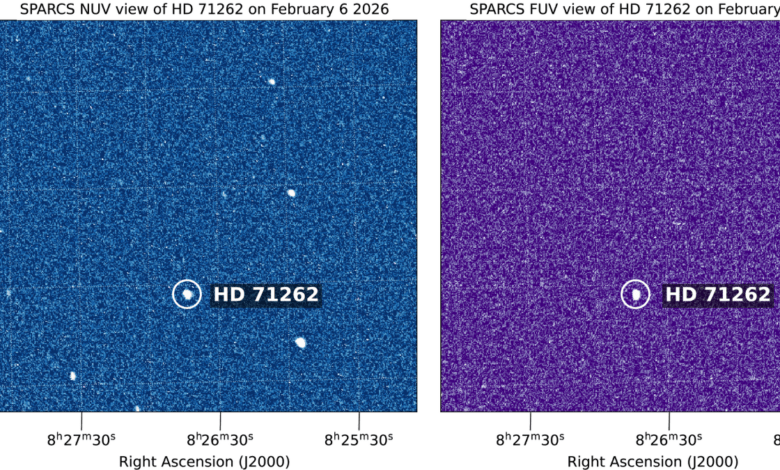
SPARCS CubeSat ‘First Light’ Images
Description This pair of images shows stars observed by the SPARCS (Star-Planet Activity Research CubeSat) space telescope simultaneously in the near-ultraviolet, left, and far-ultraviolet, right. These observations were recorded on Feb. 6, 2026, three weeks after the cube satellite, or CubeSat, launched aboard a SpaceX Falcon 9 on Jan. 11. The fact that one star is seen in the far-UV…
Read More » -

A Combination of Techniques Leads to Improved Friction Stir Welding
The NESC developed several innovative tools and techniques during an assessment to find the root cause of poor tensile strength and low topography anomalies (LTA) in welds formed using a solid-state welding process called self-reacting friction stir welding (SRFSW). Using a combination of machine learning, statistical modeling, and physics-based simulations, the assessment team helped improve the weld process and solve…
Read More » -
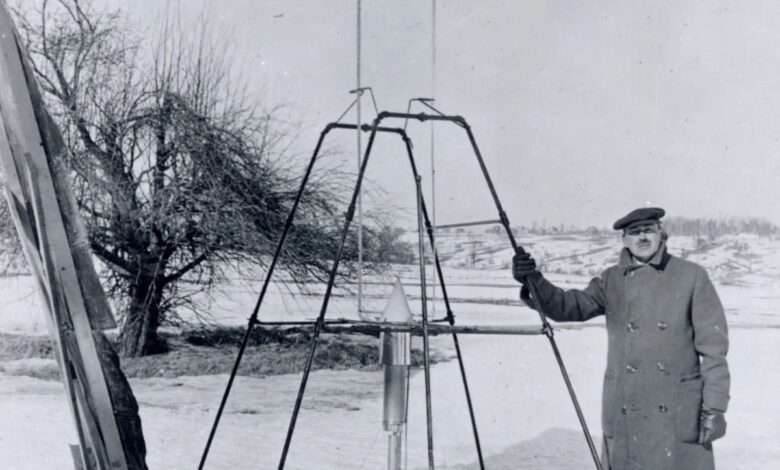
Celebrating 100 Years Since Goddard’s Breakthrough Moment in Modern Rocketry
From the voyages of spacecraft to the Moon and beyond, to the launches of satellites that help us navigate, communicate, and understand our planet and the universe, the use of liquid-fueled rockets has been key to humanity’s use and exploration of space. Today marks 100 years since the first successful test of this technology. On March 16, 1926, physicist and…
Read More » -
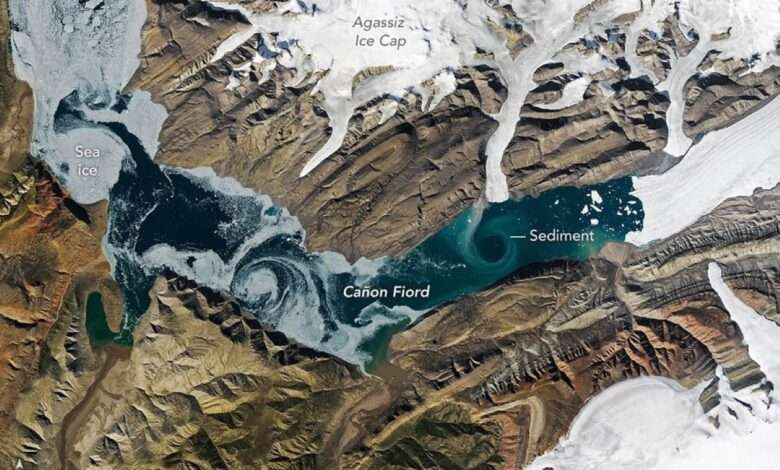
Cañon Fiord’s Whirling Waters
For most of the year, ice blankets the waterways of the northern Canadian Arctic Archipelago. But during the brief summer melt season, the stark white and gray landscape transforms into a colorful, dynamic environment. On a particularly striking day in 2022, sediment plumes and fractured sea ice traced swirling eddies in a branch of the Nansen Sound fjord system. These…
Read More » -
Volunteers Find Oddly High Solar Flare Rates
Patches of the Sun’s surface often show strong magnetic fields. These fields can emerge within a matter of hours, and can decay slowly or quickly, sometimes over days, weeks, or even months. Thanks to a new study about these long-lived active regions, we now know much more about the patches where these strong magnetic fields take at least a month to…
Read More » -
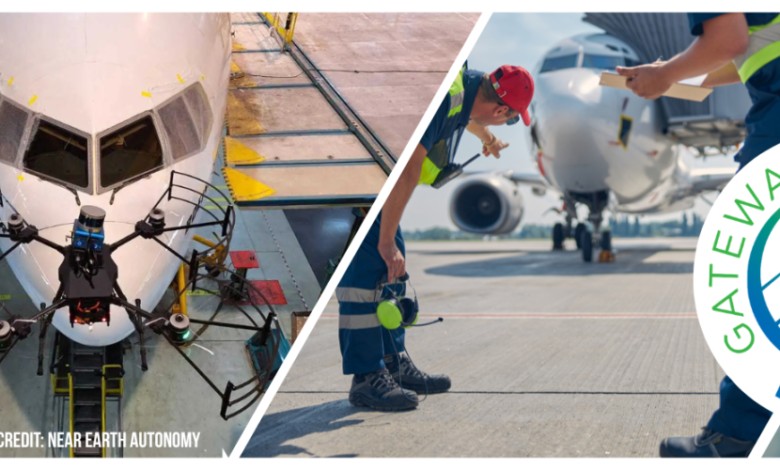
NASA Selects Finalists in Student Aircraft Maintenance Competition
NASA has selected eight student teams as finalists in the 2026 Gateways to Blue Skies Competition, giving them the resources to help address a critical challenge for U.S. aviation: aircraft maintenance. Challenges facing the commercial aviation industry include a shortage of qualified maintenance workers and increasing demands to keep complicated aircraft running for longer. With Gateways to Blue Skies, NASA taps into student innovation to address some of the biggest topics in aviation, and…
Read More » -
NASA Volunteers Study Biofilm Adaptability in Space
Biofilms are communities of microorganisms that stick to one another and also adhere to a nearby surface. They are intricately associated with life on Earth, enabling functions essential to human and plant systems. NASA’s Open Science Data Repository (OSDR) Analysis Working Groups study biofilms and many other biological phenomena in an environment that’s important to NASA: the environment of deep space. It’s…
Read More » -
NASA Armstrong to Host Partnership Days April 15-16
NASA’s Armstrong Flight Research Center in Edwards, California, invites innovative companies, government agencies, and organizations to attend Partnership Days, scheduled for Wednesday and Thursday, April 15 and 16, at the center. The event offers a unique opportunity to explore collaboration with NASA on cutting-edge research and development in areas such as aerospace, autonomy, sustainability, and more. Attendees will engage with…
Read More »