
NASA
-
Artifacts From NASA’s Webb, Parker Solar Probe on View at Smithsonian
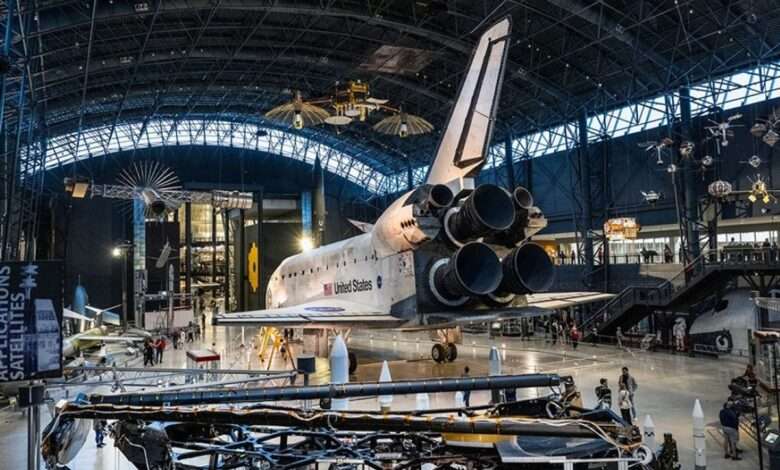
A testing replica of the “backbone” of NASA’s James Webb Space Telescope and a full-scale model of the agency’s Parker Solar Probe are now on permanent display at the Smithsonian’s National Air and Space Museum, Steven F. Udvar-Hazy Center in Chantilly, Virginia. “From touching the Sun with Parker Solar Probe to creating humanity’s most powerful window into the cosmos with…
Read More » -
Good Morning, Moon
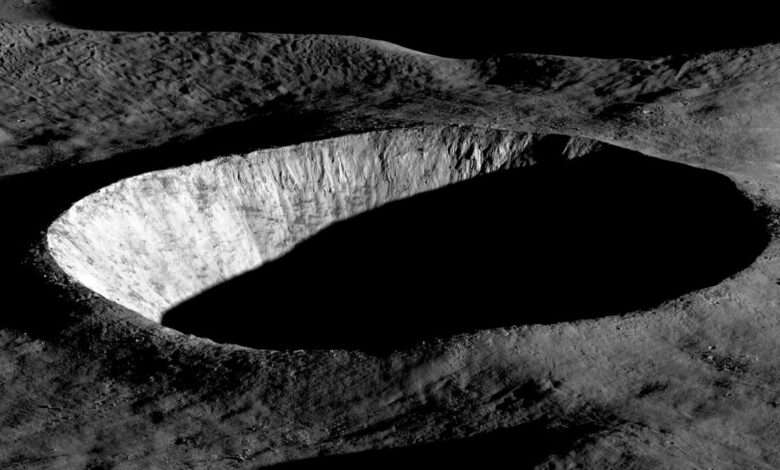
Early morning sunlight illuminates the western wall of this unnamed crater, leaving deep shadows on the ground and in the interior. The image was taken on August 30, 2023, by LROC (Lunar Reconnaissance Orbiter Camera). LROC is a system of three cameras and one of the seven instruments aboard NASA’s LRO (Lunar Reconnaissance Orbiter) mission, which launched in June 2009 and continues in orbit…
Read More » -
NASA’s Artemis II Moon Mission Daily Agenda
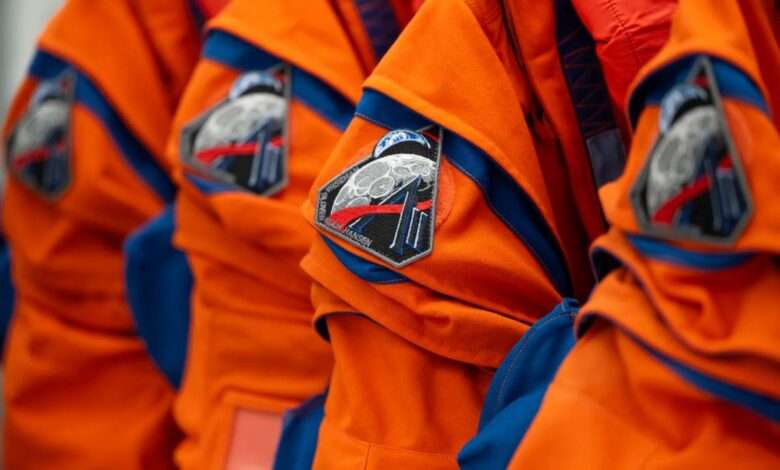
About eight minutes after Artemis II lifts off, the Orion spacecraft and its crew, NASA astronauts Reid Wiseman, Victor Glover, and Christina Koch, along with CSA (Canadian Space Agency) astronaut Jeremy Hansen, will be in space. The approximately 10-day test flight will be packed with activity as the astronauts venture around the Moon and back, with teams checking out Orion’s…
Read More » -

GVIS Test Facilities Visualizations
The Graphics and Visualization Lab (GVIS) at NASA Glenn Research Center creates a variety of immersive visualizations and simulations in support for NASA’s missions, projects, and future innovations. These visual tools help scientists, engineers, and researchers develop solutions to bring their projects to life. Test Facility Models GVIS creates visualizations of various NASA test facilities. These visualizations include interactive tours, digital…
Read More » -
Astronauts’ Perspectives on NESC Contributions to Mission Safety and Success
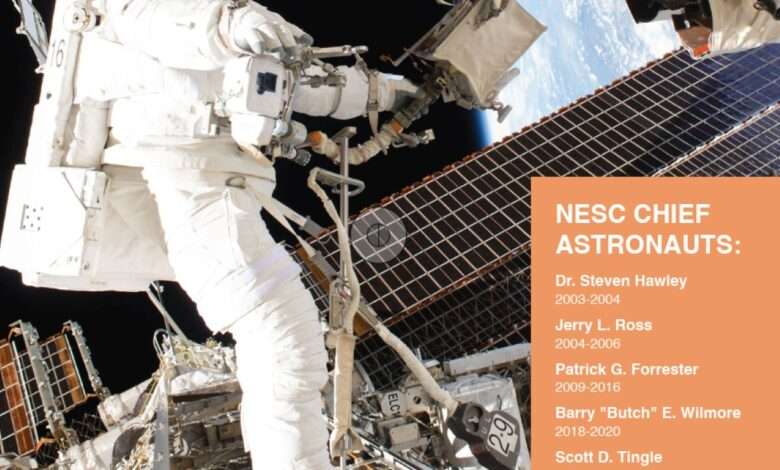
This article is from the 2025 Technical Update. The exact date when the crew of Space Shuttle Columbia was lost is readily recalled by Patrick Forrester, as it likely would be for any NASA employee in service that Saturday morning when the Shuttle broke up during reentry. Forrester had flown to ISS for the first time in 2001 aboard Discovery…
Read More » -
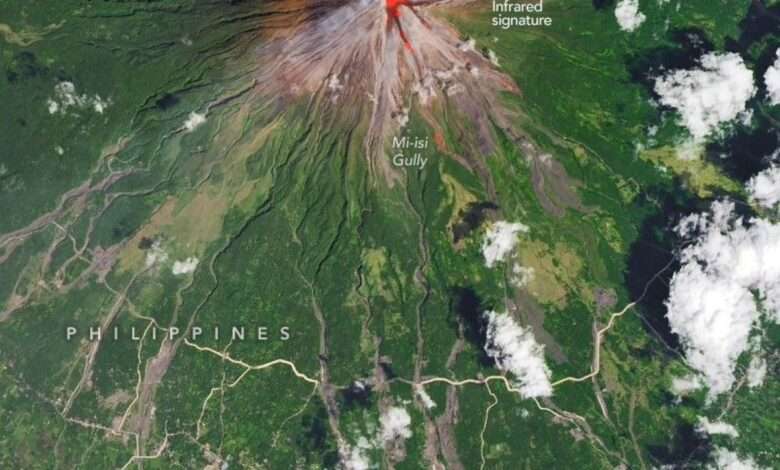
Eruption at Mayon
At any given moment, about 20 volcanoes on Earth are actively erupting. Often among them is Mayon—the most active volcano in the Philippines. The nearly symmetrical stratovolcano, on Luzon Island near the Albay and Lagonoy gulfs, rises more than 2,400 meters (8,000 feet) above sea level. Historical records indicate Mayon has erupted 65 times in the past 5,000 years, with the latest episode beginning in January…
Read More » -
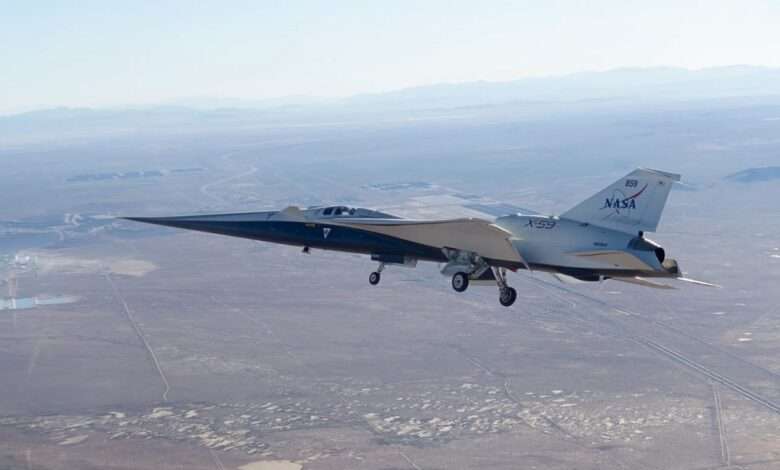
About Low Boom Flight Demonstrator (LBFD) Project
The Low Boom Flight Demonstrator project (LBFD) is part of NASA’s effort to help enable new aircraft noise standards that are required to open the market to commercial supersonic flight over land. The federal government banned all civilian supersonic flights over land more than fifty years ago due to sonic boom noise. If new standards are established, the U.S. aviation industry can position itself to…
Read More » -
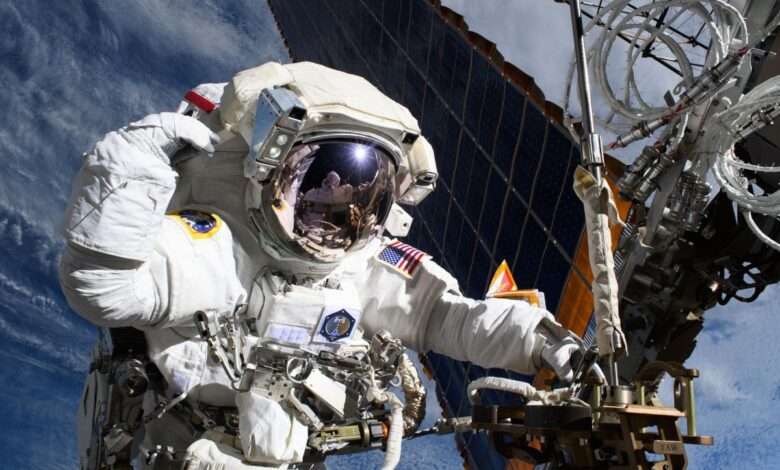
NASA to Cover Upcoming US Spacewalks 94, 95 Outside Space Station
NASA astronauts will conduct a pair of spacewalks beginning Wednesday, March 18, outside of the International Space Station to prepare for the installation of two roll-out solar arrays. Experts from NASA will preview the spacewalks during a news conference at 2 p.m. EDT, Monday, March 16, at the agency’s Johnson Space Center in Houston. Watch NASA’s live coverage of the…
Read More » -
Tiny NASA Spacecraft Delivers Exoplanet Mission’s First Images
With the first images from the spacecraft now in hand, the team behind NASA’s Star-Planet Activity Research CubeSat, or SPARCS, is ready to begin charting the energetic lives of the galaxy’s most common stars to help answer one of humanity’s most profound questions: Which distant worlds beyond our solar system might be habitable? Initial, or “first light,” images mark the…
Read More » -
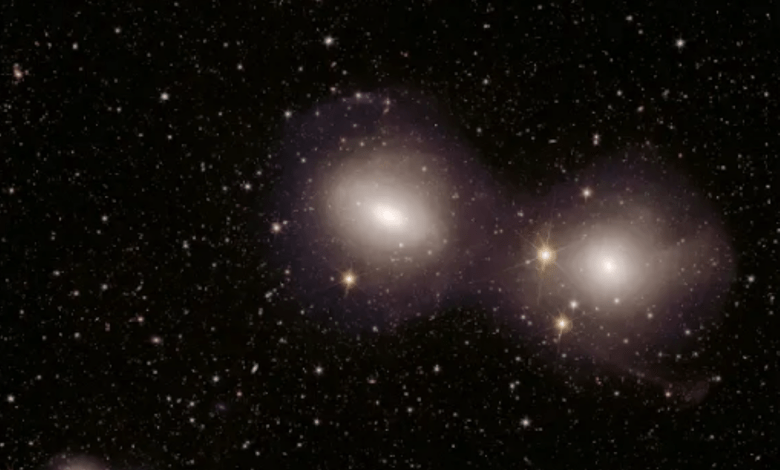
Help Galaxy Zoo: Tidal Tales Open Cosmic Storybook
Galaxies carry the imprints of past encounters. When they pass near one another or collide, gravity pulls their stars into long tails, thin streams, and faint shells – features that preserve the history of these dramatic events. Thanks to deep, high-resolution images from the Euclid space telescope, an ESA (European Space Agency) mission with critical contributions from NASA, we can now see…
Read More »