
International Space Station
-
NASA

Astronaut Suni Williams and Astrobee
In this picture from Nov. 15, 2024, Astronaut Suni Williams imitates the tentacle-like arms of the Astrobee robotic free-flyer in the foreground. Astrobee robots help astronauts reduce time they spend on routine duties, leaving them to focus more on the things that only humans can do. Working autonomously or via remote control by astronauts, flight controllers or researchers on the ground, the…
Read More » -
NASA
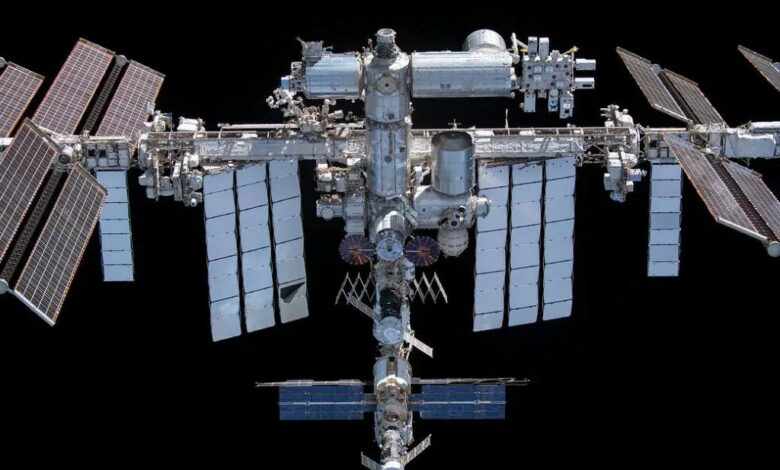
Station Science Top News: Nov. 22, 2024
Space-grown crystals could lead to targeted cancer drugs Researchers used space-grown protein crystals to determine the structure of a helix-loop-helix (HLH) peptide (one with a double helix and connecting loop) in a complex with vascular endothelial growth factor-A (VEGF). VEGF prompts the formation of new blood vessels and inhibiting it can stop tumor growth. This finding suggests that HLH peptides could be…
Read More » -
NASA
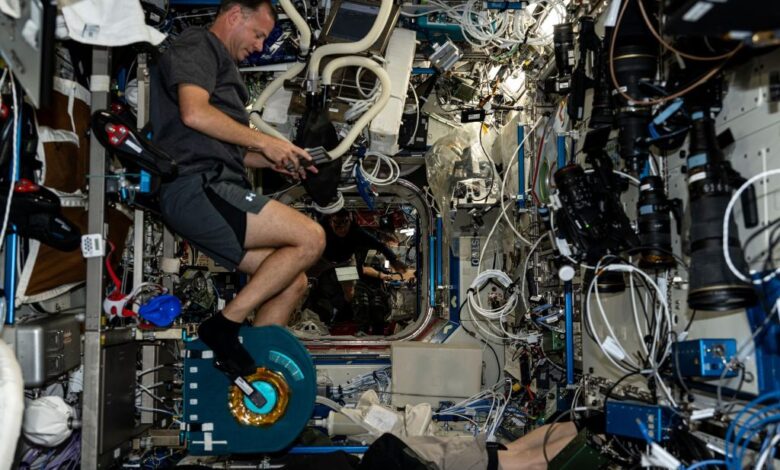
FAQ: The Real Story About Astronaut Health Care in Space
Lee esta historia en español aquí. The International Space Station is humanity’s home in space and a research station orbiting about 250 miles above the Earth. NASA and its international partners have maintained a continuous human presence aboard the space station for more than 24 years, conducting research that is not possible on Earth. The people living and working aboard the…
Read More » -
NASA
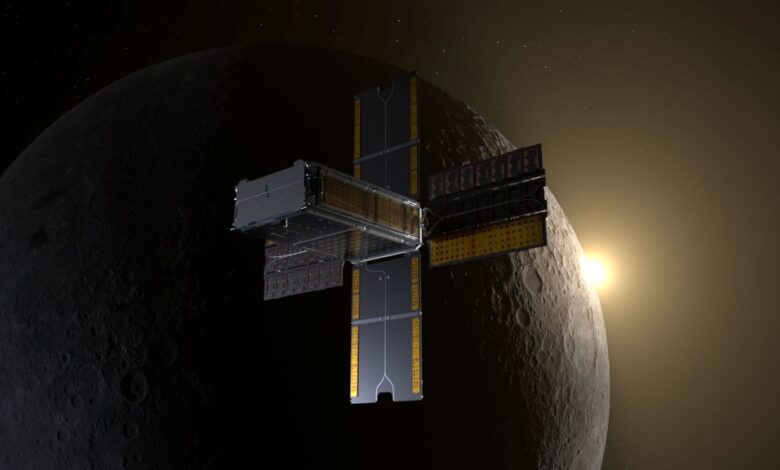
What is BioSentinel?
Editor’s Note: This article was updated Nov. 20, 2024 shortly after BioSentinel’s mission marked two years of operation in deep space. Astronauts live in a pretty extreme environment aboard the International Space Station. Orbiting about 250 miles above the Earth in the weightlessness of microgravity, they rely on commercial cargo missions about every two months to deliver new supplies and experiments. And yet,…
Read More » -
NASA
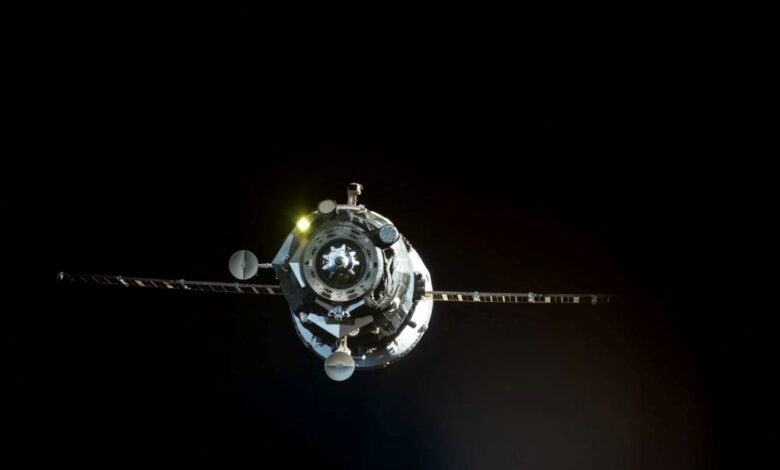
NASA to Provide Coverage of Progress 90 Launch, Space Station Docking
NASA will provide live launch and docking coverage of a Roscosmos cargo spacecraft delivering nearly three tons of food, fuel, and supplies to the Expedition 72 crew aboard the International Space Station. The unpiloted Progress 90 spacecraft is scheduled to launch at 7:22 a.m. EST (5:22 p.m. Baikonur time) Thursday, Nov. 21, on a Soyuz rocket from the Baikonur Cosmodrome…
Read More » -
NASA
Colorado Students to Connect with NASA Astronauts Aboard Space Station
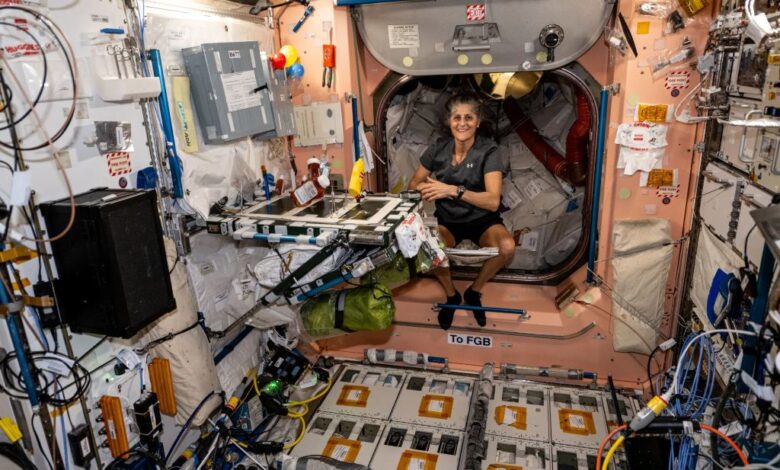
Students from Colorado will have the opportunity to hear NASA astronauts Nick Hague and Suni Williams answer their prerecorded questions aboard the International Space Station on Thursday, Nov. 14. Watch the 20-minute space-to-Earth call at 1 p.m. EST on NASA+. Learn how to watch NASA content on various platforms, including social media. The JEKL Institute for Global Equity and Access, in partnership with…
Read More » -
NASA
Native American Seeds Flown Aboard Space Station
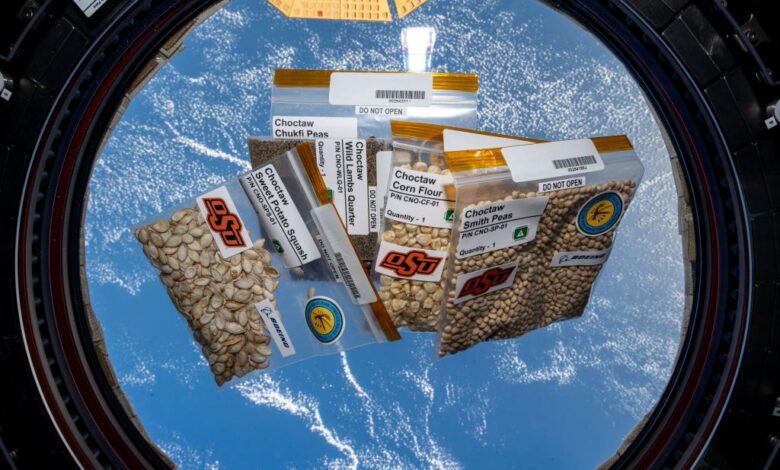
The Choctaw Heirloom Seeds investigation flew five varieties of heirloom seeds from the Choctaw Nation of Oklahoma aboard the International Space Station in early November 2023. The seeds are Isito (Choctaw Sweet Potato Squash), Tobi (Smith Peas), Tanchi Tohbi (Flour Corn), Tvnishi (Lambsquarter), and Chukfi Peas. The seeds spent six months aboard station, returning to Earth in April 2024. Next spring, Jones…
Read More » -
NASA
Station Science Top News: Nov. 8, 2024
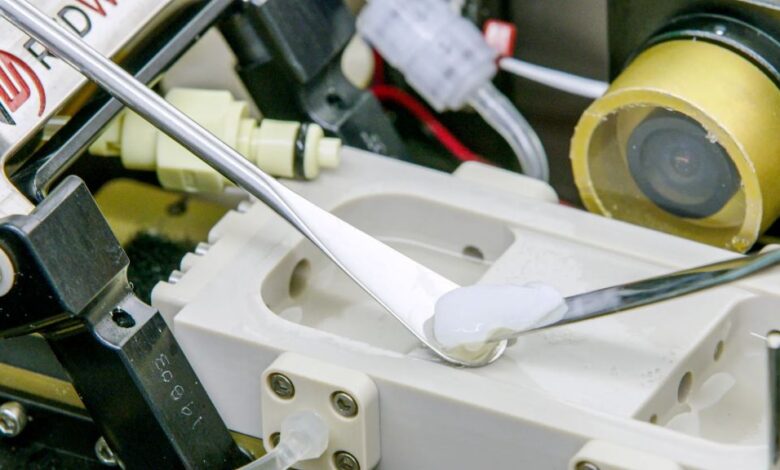
Researchers demonstrated the feasibility of 3D bioprinting a meniscus or knee cartilage tissue in microgravity. This successful result advances technology for bioprinting tissue to treat musculoskeletal injuries on long-term spaceflight or in extraterrestrial settings where resources and supply capacities are limited. BFF Meniscus-2 evaluated using the BioFabrication Facility to 3D print knee cartilage tissue using bioinks and cells. The meniscus is the first…
Read More » -
NASA
Earth Below
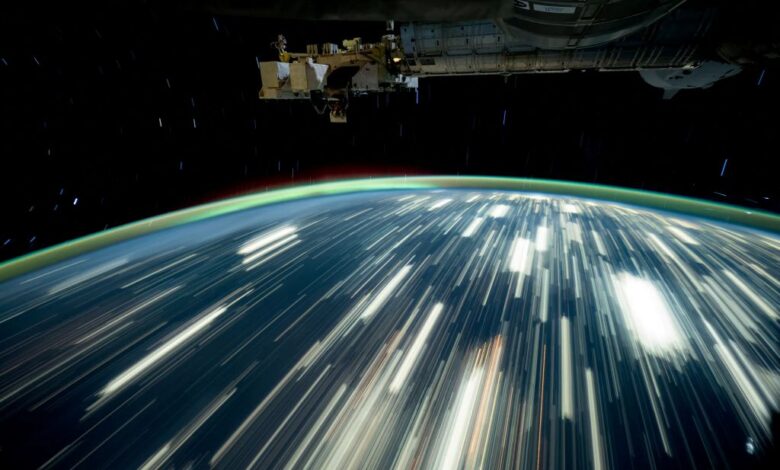
Earth’s city lights streak by in this long-exposure photo taken by NASA astronaut Don Pettit on Oct. 24, 2024. The green glow of Earth’s atmosphere is also visible on the horizon. Since the station became operational in November 2000, crew members have produced hundreds of thousands of images like this one through Crew Earth Observations. Their photographs of Earth record how…
Read More » -
NASA
Station Science Top News: Nov. 1, 2024
Bioprinted patches could help wounds heal Researchers successfully demonstrated the function of a handheld bioprinter that could provide a simple and effective way to treat wounds in space using human skin cells. Crews could use this technology to treat their own injuries and protect crew health and mission success in the future. Spaceflight can affect how wounds heal. The Bioprint FirstAid device tested a…
Read More »