




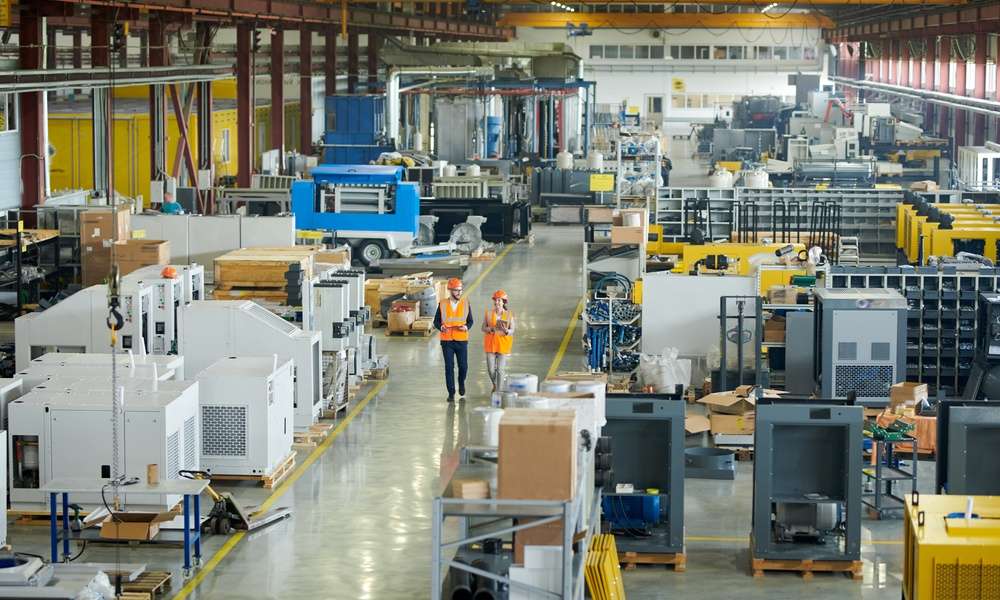
Material selection is one of the most important decisions in any manufacturing process. While design and labor often receive the most attention, the materials used can significantly influence how smoothly production runs. The right material can streamline workflows, reduce processing time, and improve overall output, while the wrong choice can introduce inefficiencies that ripple throughout the entire operation.
Manufacturers must consider not only the physical properties of a material but also how it behaves during processing. Factors such as curing time, heat resistance, and compatibility with machinery all play a role in determining whether production will be efficient or problematic.
Impact on Production Speed and Workflow
Understanding why material selection is critical in production efficiency can dramatically affect production timelines. Materials that are easier to handle and process allow for faster throughput and fewer interruptions. For example, materials that require precise temperature control or extended curing periods can slow down operations if not managed properly.
In contrast, materials that are stable and predictable under standard conditions help maintain a consistent workflow. This reduces downtime and allows production teams to meet deadlines more reliably. When manufacturers align material selection with their equipment capabilities, they create a more seamless and efficient production environment.
Reducing Waste and Operational Costs
Inefficient material choices often lead to increased waste, which directly impacts profitability. Materials that are difficult to process or prone to defects can result in higher scrap rates and additional rework. Over time, these inefficiencies add up, increasing both material costs and labor expenses.
By selecting materials that are well-suited to the production process, manufacturers can minimize waste and reduce the need for corrections. Understanding common processing challenges is key to avoiding these issues.
For instance, certain resins, like phenolic resins, require careful handling to prevent defects. Without that careful handling, common issues arise that can slow production. Being aware of these potential complications helps manufacturers make more informed decisions and avoid costly setbacks.
Enhancing Product Quality and Consistency
Material selection does not just affect efficiency; it also plays a critical role in product quality. Consistent materials lead to consistent results, which is essential for maintaining customer satisfaction and meeting industry standards. Variations in material performance can lead to defects, inconsistencies, and even product failure.
High-quality materials that are compatible with the intended manufacturing process help ensure uniformity across production runs. This consistency reduces the likelihood of returns and enhances the overall reputation of the business.
Supporting Long-Term Operational Success
Efficient manufacturing is not just about short-term gains. The materials chosen today can have long-term implications for maintenance, scalability, and overall operational success. Materials that cause excessive wear on equipment or require frequent adjustments can increase maintenance costs and reduce the lifespan of machinery.
By investing in the right materials from the outset, manufacturers can build more resilient processes that support growth and adaptability. Thoughtful material selection enables businesses to remain competitive while maintaining efficiency and quality over time.
Never Lose Efficiency
Material selection is far more than a technical detail; it is a strategic decision that influences every aspect of manufacturing. From production speed and cost control to product quality and long-term performance, the right materials lay the groundwork for success. Manufacturers that prioritize informed material choices position themselves to operate more efficiently, reduce waste, and deliver better results in an increasingly competitive market.
About The Author

Got a Questions?
Find us on Socials or Contact us and we’ll get back to you as soon as possible.