Friction is one of the most underestimated forces in mechanical design and maintenance. While it’s often accounted for in calculations, its long-term effects can quietly degrade performance, increase downtime, and shorten the lifespan of critical components. Understanding the most common friction-related issues can help engineers and maintenance teams take proactive steps. Knowing the most common friction problems that destroy mechanical assemblies can help professionals mitigate the damage, leading to enhanced quality and productivity.
Galling in Metal Components
Galling is a type of wear that happens when different metal surfaces slide against each other under pressure. This often leads to material transfer, surface damage, and eventual seizing of components.
It’s especially prevalent in stainless steel fasteners and tight-tolerance assemblies. In many cases, surface treatments can help mitigate this issue, particularly when addressing galling in mechanical assemblies and how coatings can reduce friction-related damage.
Abrasive Wear from Contaminants
Another major concern is abrasive wear, which happens when hard particles or rough surfaces grind against softer materials.
This type of friction can gradually erode components like bearings, seals, and gears, leading to reduced efficiency and eventual failure. Contamination control and proper material selection are key to minimizing abrasive damage.
Fretting Corrosion in Vibrating Assemblies
Fretting corrosion is a more subtle but equally damaging issue. It occurs when small oscillatory movements between contacting surfaces cause repeated friction.
Over time, this leads to oxidation, surface fatigue, and micro-cracking. Fretting is particularly common in bolted joints and press-fit assemblies where slight vibrations are unavoidable.
Adhesive Wear in Poorly Lubricated Systems
Adhesive wear, while similar to galling, can occur in a broader range of materials and conditions.
It results from microscopic bonding between surfaces, which then tear apart during movement. This constant cycle weakens components and accelerates degradation, especially in poorly lubricated systems.
Excessive Heat Generation
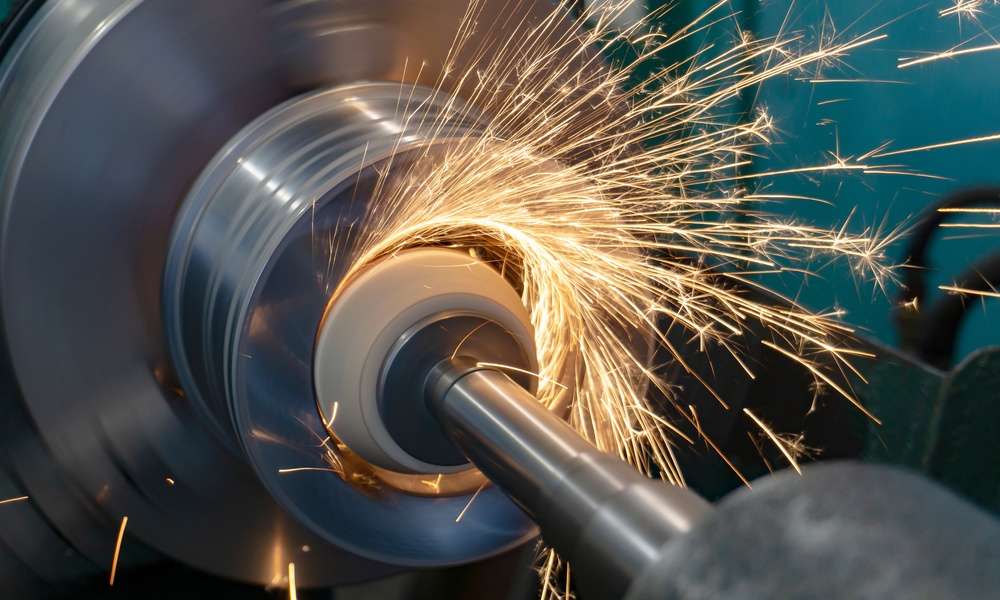
Another overlooked issue is excessive heat generation due to friction. As components move against each other, heat builds up, which can degrade lubricants, warp materials, and reduce overall system efficiency.
In extreme cases, overheating can lead to catastrophic failure, particularly in high-speed or high-load applications.
Surface Fatigue in Load-Bearing Parts
Surface fatigue is also driven by repeated frictional stress. Over time, cyclic loading causes cracks to form beneath the surface, eventually leading to spalling or flaking.
This is commonly seen in rolling contact components like bearings and gears, where even minor frictional inconsistencies can have major consequences.
Stick-Slip Behavior and Motion Instability
Stick-slip behavior can disrupt smooth operation in mechanical systems. This occurs when friction alternates between static and kinetic states, causing jerky or uneven motion.
Stick-slip not only affects performance but can also increase wear rates and generate unwanted noise and vibration.
Eliminate Avoidable Risks
Addressing these issues requires a combination of smart design, proper lubrication, material selection, and surface engineering. By recognizing and mitigating these risks early, organizations can improve reliability, reduce maintenance costs, and extend the life of their equipment. Understanding the most common friction problems that destroy mechanical assemblies is a critical step toward building more durable and efficient systems.