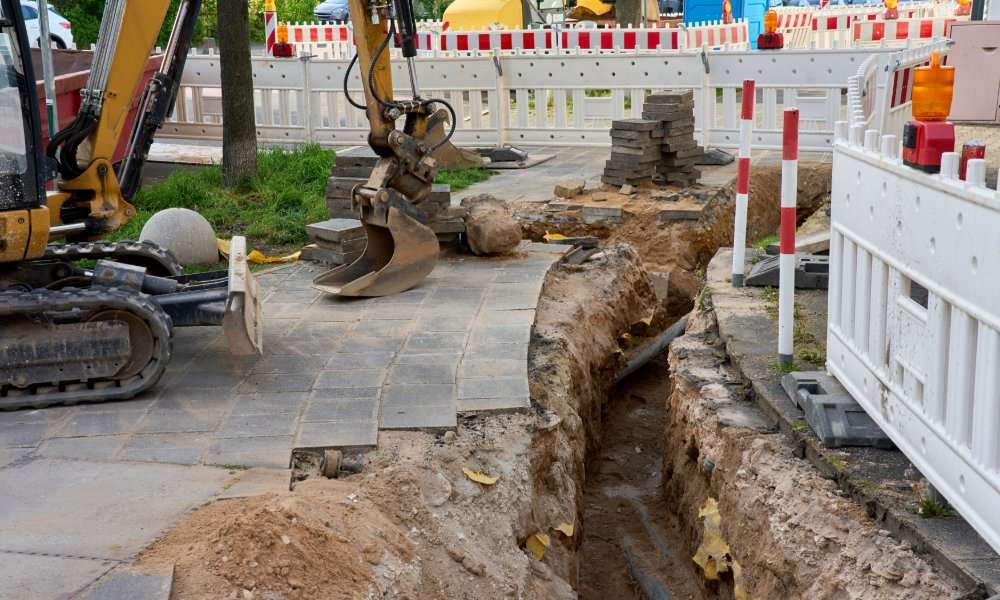
Utility work can quickly test a city’s relationship with its residents. The average person understands that pipes need repairs or cables need upgrades, but they still care about blocked driveways and surprise service interruptions. That’s why municipal teams have to plan the utility work out in a way that reduces public friction. That’s easier said than done, which is why we’re here to give you some tips on how to do it.
Use Data Before Crews Arrive
Good planning starts before anyone opens a manhole or marks the pavement. Cities can use asset records and GIS mapping to understand what lies underground ahead of time. That information helps teams spot conflicts that could delay the job once the equipment arrives.
Digital records also help multiple departments work from the same picture. Water staff and public works teams shouldn’t discover that they’ve been using two different project maps halfway through the job. Nobody needs that kind of plot twist during important work.
Build the Schedule Around Real Life
A schedule that seems perfect for workers could still frustrate the public if it ignores how people use the area. For example, work near a school may need a different window than work near a commercial strip. Even for commuter routes, repairs may require extra planning, even if the job itself looks relatively simple.
Cities can reduce friction by matching work hours to the neighborhood’s rhythm. That doesn’t mean every resident will love the disruption. It just shows that the city did its best to plan around daily life rather than just crew availability.
Limit Service Interruptions Where Possible
When it comes to planning utility work, cities must recognize that public frustration will rise fast when service changes arrive with little warning. Municipal teams can reduce that risk by choosing methods that keep systems operating during certain types of work. The right approach depends on a variety of site conditions, but the goal stays the same: limit the number of people affected.
For water infrastructure projects, the right hot tapping process for live pipeline connections can help crews connect to an active main without a full shutdown. That method requires careful control and experienced operators, but when done correctly, it can reduce disruption while keeping essential services moving.
Communicate Before Questions Pile Up
Residents don’t need full engineering reports. They just need to know what will happen, when it may affect them, and how long the disruption should last. Clear notices can prevent a wave of calls that pulls staff away from their work.
Updates should also reach the people answering phones or monitoring online comments. If public-facing staff don’t know what’s happening, the city sounds disorganized even when the field team has everything under control. A shared update keeps the message more consistent.
Leave the Street Looking Managed
People often judge utility work by what they see after the crew leaves. A safe patch and clean access paths can make the project feel more professional. If the street looks forgotten, residents may assume the whole job was handled poorly.
Restoration planning should start long before repair work begins. Crews need enough time and materials to leave the area safe for regular use. Public patience lasts longer when the work zone looks controlled instead of abandoned.