




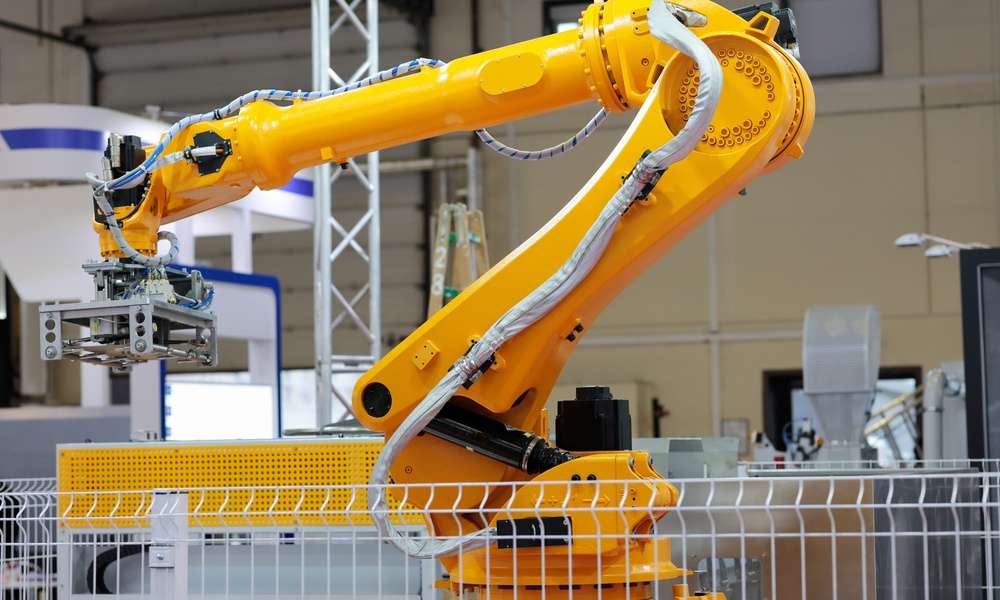
Manufacturers constantly look for ways to streamline operations, reduce downtime, and improve output quality. Understanding how palletizing robots increase production efficiency helps explain why automation has become essential in modern facilities. These robotic systems handle repetitive end-of-line tasks with consistency and speed, allowing human workers to focus on higher-value responsibilities. As production demands grow, palletizing robots provide a reliable solution that keeps operations running smoothly while minimizing strain on labor resources.
Improved Workflow Consistency
Palletizing robots bring a level of precision that manual processes struggle to match. They follow programmed patterns and maintain uniform stacking, which reduces product damage and ensures stable loads. This consistency eliminates the variability that often slows production and creates bottlenecks. With predictable performance, operations managers can better plan throughput and maintain steady output across shifts without worrying about fatigue-related slowdowns.
Faster Throughput Without Compromise
Speed plays a critical role in production efficiency, and palletizing robots excel in maintaining a high pace without sacrificing accuracy. These systems can handle continuous operation, moving products from conveyor to pallet with minimal delay. Unlike manual labor, robotic systems do not require breaks, allowing production lines to operate closer to their maximum capacity. This continuous motion helps reduce idle time and keeps materials flowing seamlessly through the facility.
Reduced Labor Strain and Errors
Heavy lifting and repetitive motions often lead to workplace injuries and inconsistent performance. By automating palletizing tasks, companies reduce the physical demands placed on workers. This shift improves safety and enhances overall productivity, as employees can focus on monitoring systems and managing workflows. Understanding how palletizing robots operate reveals their ability to adapt to different product sizes and configurations, further minimizing handling errors and improving overall output quality.
Scalability and Flexibility
Manufacturers design modern palletizing robots to adapt to changing production needs. Technicians can quickly reprogram these robots to handle new products or packaging styles, which makes them a practical choice for facilities that require flexibility. This adaptability allows businesses to scale operations without significant downtime or major equipment changes. As production requirements evolve, robotic systems provide a future-ready solution that supports long-term growth.
Driving Long-Term Efficiency
The value of automation becomes clear when examining how palletizing robots increase production efficiency in real-world applications. These systems improve consistency, maintain speed, reduce strain on workers, and adapt to evolving production demands. By integrating palletizing robots into their operations, manufacturers create a more reliable and efficient workflow that supports both immediate productivity gains and sustainable growth over time.
About The Author

Got a Questions?
Find us on Socials or Contact us and we’ll get back to you as soon as possible.