




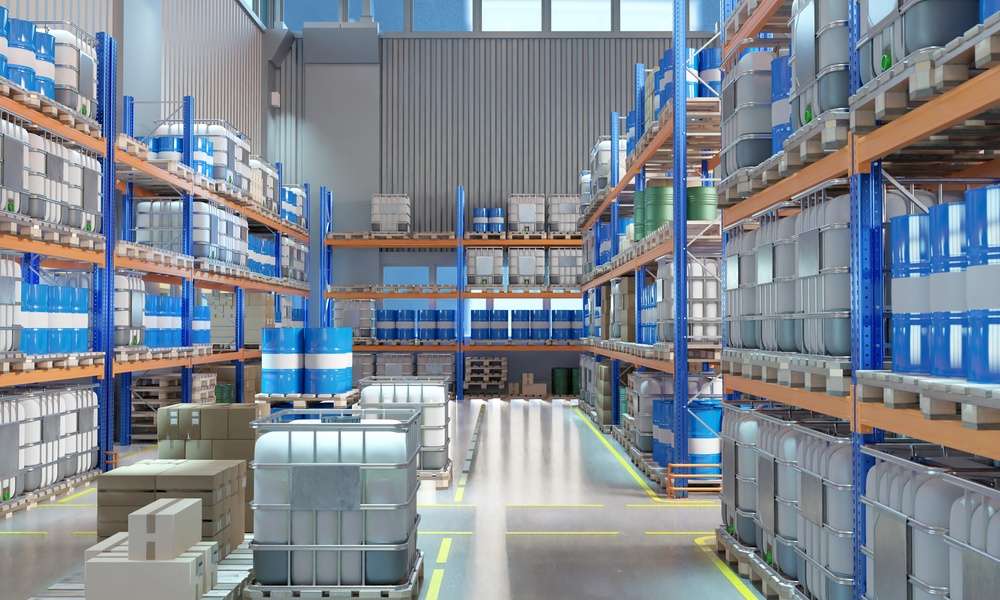
A disorganized warehouse can turn an ordinary shift into a scavenger hunt with forklifts, especially when supplies drift from their assigned spots and workers lose time tracking down items that should be easy to find. Teams that depend on speed and accuracy need a system that makes the next step clear before small delays turn into bigger problems. Here’s how you can keep your warehouse organized.
Build a Layout That Helps People Move
A warehouse layout works better when it follows how people move during a real shift, not how a floor plan looks on paper. High-demand inventory should be kept near the packing area so workers can fulfill frequent orders without crossing the building all day. Less-urgent stock can sit farther from the busiest lanes, where it remains easy to reach without crowding the spaces that carry the most traffic.
Clear aisles also shape how well the layout performs. Equipment operators need enough room to move without awkward stops, while floor teams need zones that make sense without constant explanation. When each area has a clear purpose, workers return products to the right place more consistently.
Make Labels Do Real Work
Another part of knowing how to keep your warehouse organized is to clearly label everything. Plain naming patterns work best when they match the inventory system, because workers can move from a screen to a shelf without decoding a second language.
Color can help workers spot zones faster, but it should never carry the whole system by itself. A label still needs to make sense when someone misses the color cue or approaches the shelf from an awkward angle. Consistent placement also helps because workers learn where to look first, which keeps small moments of confusion from slowing down the entire shift.
Control Packaging Before It Controls You
Packaging can quietly take over a warehouse when the team treats it like background clutter instead of managed inventory. Oversized cartons drain shelf space, while loose packing materials creep into work areas during busy shifts. Give packaging assigned storage so it stays useful without spreading across the floor.
For many operations, one of the best ways to reduce packaging waste across your supply chain is to identify bulky packaging before it leaves the building. Reviewing carton size against the actual product can help teams cut material costs and reduce wasted trailer space.
Create Habits That Survive Busy Days
A warehouse stays organized when cleanup becomes part of normal work. End-of-shift resets help teams catch misplaced items before the next crew inherits the mess. Short checks during the day can prevent small problems from turning into an archaeological dig behind aisle seven.
Managers should treat these habits as production support, not cosmetic cleanup. Workers move faster in a predictable space. The organization also protects safety, since clear paths and accurate locations reduce rushed decisions. Start with one area, fix the friction people feel every day, and let those small improvements build a warehouse that works better shift after shift.
About The Author

Got a Questions?
Find us on Socials or Contact us and we’ll get back to you as soon as possible.