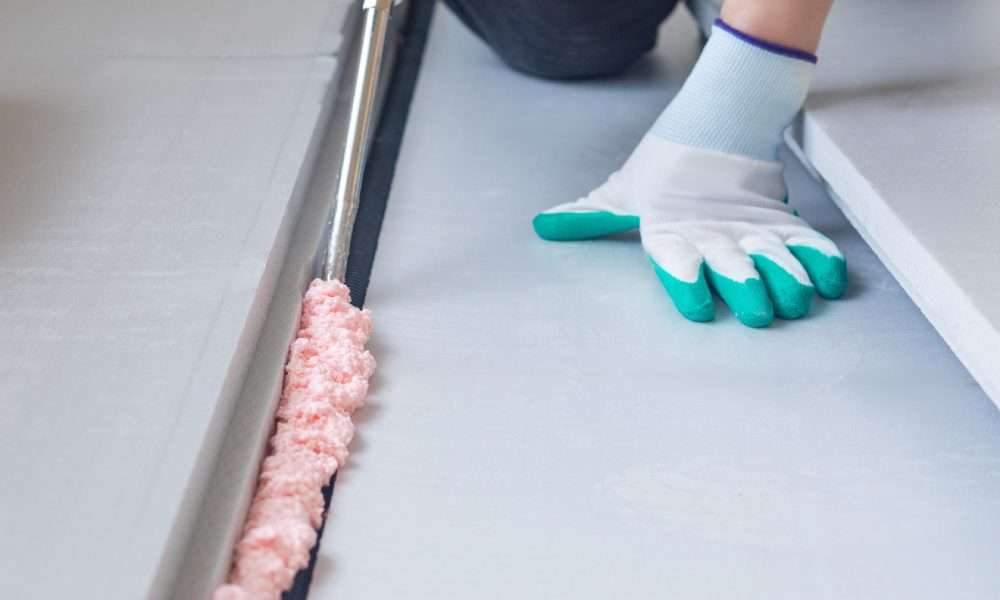
Material waste is one of the most expensive and frustrating challenges in the spray foam industry. Even small inefficiencies can add up quickly when contractors are working with high-cost materials and tight project timelines. Whether the waste comes from clogged hoses, inconsistent spray patterns, improper storage, or application errors, every lost gallon impacts profitability.
For contractors looking to improve efficiency, reducing material waste in spray foam applications starts with understanding where waste occurs most often and implementing practical systems to minimize it.
The Importance of Equipment Maintenance
One of the biggest contributors to wasted material is equipment neglect. Spray foam systems operate under demanding conditions, and even minor maintenance issues can affect performance. Hoses, transfer pumps, spray guns, and proportioners all need regular inspections to ensure proper flow and pressure. If equipment begins to clog or lose efficiency, contractors often end up wasting chemicals while troubleshooting or restarting applications.
Many crews have also found that paying closer attention to spray foam hose clog preventioncan help reduce interruptions that lead to unnecessary material loss. Keeping hoses clean and monitoring buildup before it becomes severe can prevent uneven spraying and wasted product during application.
Proper Storage Makes a Difference
Storage conditions also play a major role in material efficiency. Spray foam chemicals are sensitive to temperature fluctuations, moisture exposure, and contamination.
Improper storage can affect the chemical balance, leading to poor expansion or unusable material. Contractors who invest in proper storage procedures often experience fewer issues during application and less wasted product overall.
Training Helps Reduce Errors
Training is another factor that directly impacts waste reduction. Experienced spray foam professionals understand how quickly overspray, uneven coverage, or incorrect spray angles can consume excess material.
Crews that receive ongoing training typically apply materials more consistently and avoid costly rework. Even simple habits, such as checking spray patterns before beginning a project or calibrating equipment daily, can make a noticeable difference in overall efficiency.
Better Planning Leads to Better Results
Project planning is equally important. Contractors sometimes underestimate how much waste can occur when jobsites are poorly organized. Delays, rushed installations, or unprepared surfaces often create conditions where extra material is used unnecessarily. Preparing work areas ahead of time, ensuring proper ventilation, and coordinating schedules efficiently all contribute to smoother applications and lower material loss.
Another overlooked issue involves communication between crew members. Miscommunication about application thickness, coverage areas, or equipment settings can result in overapplication and wasted foam. Teams that establish clear workflows and standardized procedures generally maintain better consistency throughout the project.
Building a More Efficient Operation
As material prices continue to fluctuate, contractors are placing greater emphasis on operational efficiency. Reducing material waste in spray foam applications is no longer just about saving money on supplies. It also helps companies complete jobs faster, improve customer satisfaction, and maintain stronger profit margins in a competitive market.