A lot of homeowners assume that pool care only matters when the water looks wrong. In reality, most major pool problems start with small habits that get ignored over time.
The good news is that you don’t need a complicated routine to keep your pool in good shape—you just need consistency and a little attention to the basics. Here are four of the most common pool maintenance mistakes homeowners make and how you can avoid them.
Ignoring Water Chemistry Until There’s a Problem
Many people only test the water after it looks cloudy or green, but algae and bacteria are already growing in the pool by then. Water chemistry changes constantly, especially during hot weather, after heavy rain, or when the pool gets used often.
A common cause of green pool water is algae growth, which can spread quickly if chlorine levels drop too low. If the pH gets too high or too low, the water may irritate your skin and eyes while also damaging pool surfaces and equipment.
Testing your pool water once a week allows you to catch small problems before they become expensive repairs. During very hot weeks or periods of heavy swimming, testing more often can help you keep the water balanced.
Not Running the Filter Long Enough
Your pool filter does most of the hard work behind the scenes, but it is only effective if it runs long enough each day. Some homeowners shorten filter run time to save energy costs, while others simply forget to adjust their schedules during warmer months.
The problem here is that poor circulation allows dirt, sunscreen, oils, and algae spores to sit in the water longer. That buildup can quickly lead to cloudy water and uneven chemical distribution.
Most pools need around 8 to 12 hours of circulation daily during the summer. Pools that get a lot of direct sunlight or frequent use may need even more. You should also keep an eye on the filter itself, as a dirty or clogged filter can further reduce circulation.
Skipping Regular Brushing and Cleaning
A pool may look clean from a distance while algae quietly grows along the walls, steps, and corners. That’s why brushing matters.
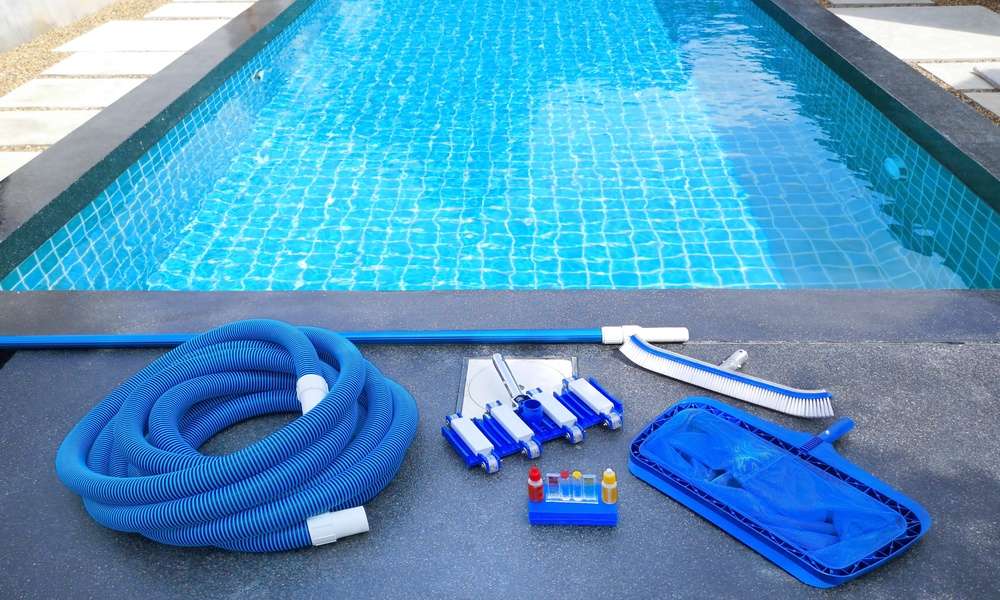
Pool brushes loosen dirt, algae, and debris before they settle into the surface and become harder to remove. Areas with poor circulation, like behind ladders or along stairs, usually collect buildup first.
Skimming the surface also helps more than many people realize since leaves, bugs, and debris break down in the water over time and affect overall water quality. A simple weekly cleaning routine can prevent a lot of larger maintenance problems later.
Waiting Too Long To Handle Small Warning Signs
Cloudy water, slippery walls, unusual pump noises, and weak water circulation signal that something in the pool needs attention. A lot of homeowners put those signs off because the pool still looks good enough for the moment, but delaying repairs usually leads to bigger problems and higher costs.
For example, a struggling pump can place extra stress on the filtration system, eventually leading to the need for an entire pool system replacement. Even a small leak can waste a surprising amount of water and contribute to much higher energy bills. The sooner you deal with any warning signs, the easier pool maintenance becomes overall.
Most pool maintenance mistakes homeowners make happen because routine care gets delayed until there’s an obvious issue. Staying consistent with testing and cleaning makes your pool far easier to manage.