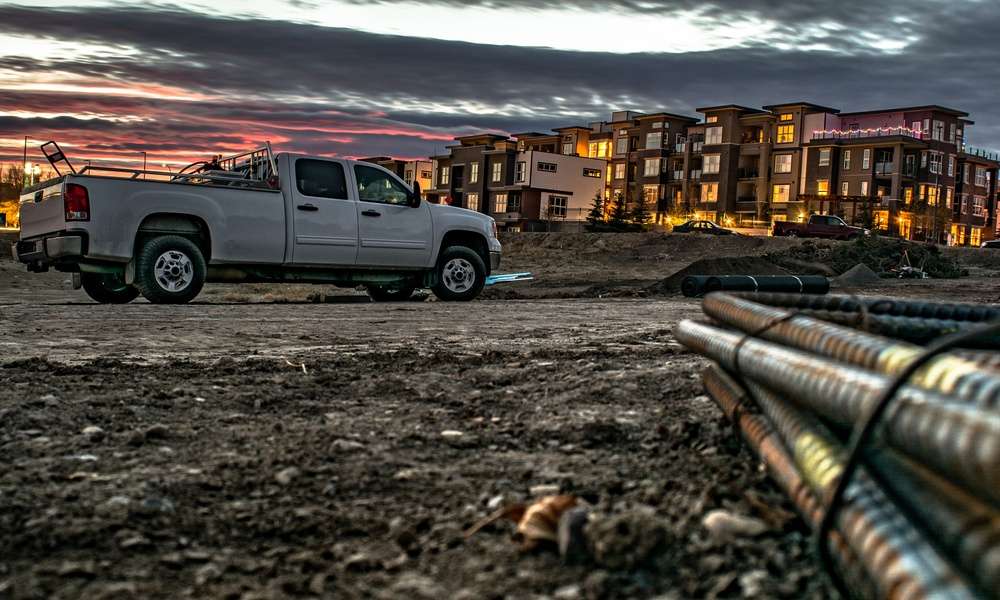
Vehicles used on construction sites, industrial properties, and other demanding work environments face challenges that go far beyond everyday driving. From rough terrain to constant exposure to dirt and debris, these conditions can accelerate deterioration and increase maintenance costs. Understanding how job site conditions affect vehicle wear and tear can help business owners and individual operators take steps to protect their investments and extend vehicle lifespan.
Constant Exposure to Dirt and Debris
One of the most common hazards on job sites is the presence of dirt, gravel, sand, and other loose materials. These substances can become trapped in various parts of a vehicle, causing abrasion and unnecessary wear. Gravel roads often result in chips to paint and windshields, while fine dust can infiltrate filters and engine components if maintenance is neglected.
Over time, accumulated debris can also affect moving parts, reducing efficiency and increasing the likelihood of mechanical issues. Regular cleaning and inspections help prevent these materials from causing long-term damage.
Rough Terrain Creates Additional Stress
Many job sites are located in areas where paved roads are limited or nonexistent. Vehicles frequently travel across uneven surfaces, potholes, mud, and rocky terrain. This constant impact places additional strain on suspension systems, tires, and steering components.
Repeated exposure to rough conditions can lead to premature wear on shocks, ball joints, and wheel alignments. Drivers may not immediately notice these issues, but they can gradually affect vehicle handling, safety, and operating costs. Routine inspections are essential for identifying problems before they become major repairs.
Weather Conditions Accelerate Deterioration
Job sites often expose vehicles to harsh weather conditions that contribute to wear and tear. Rain can create muddy environments that trap moisture against metal surfaces, while snow and ice may introduce road salt that encourages corrosion. In hot climates, prolonged exposure to sunlight can fade paint, crack interior materials, and weaken protective coatings.
Protective maintenance becomes especially important when vehicles are routinely subjected to extreme weather. Washing vehicles regularly and addressing signs of corrosion early can significantly reduce long-term damage.
Heavy Loads Impact Vehicle Components
Work vehicles are often tasked with hauling tools, equipment, and materials. While trucks are designed to carry substantial loads, repeated heavy use naturally increases wear on brakes, tires, transmissions, and suspension systems.
The cargo area also experiences considerable abuse from loading and unloading activities. Scratches, dents, and surface degradation can occur over time, making proper maintenance essential. Truck owners who want to preserve these surfaces benefit from understanding some truck bed liner cleaning and maintenance practices to help prevent unnecessary deterioration.
Preventative Maintenance Makes a Difference
Understanding how job site conditions affect vehicle wear and tear highlights the importance of proactive maintenance. Regular oil changes, tire inspections, brake checks, and cleaning routines can help offset many of the challenges that demanding work environments create.
Vehicles represent a significant investment, and job site conditions will inevitably leave their mark. However, with consistent care and attention, owners can reduce repair costs, improve reliability, and keep their vehicles performing effectively for years to come. By recognizing the environmental factors that contribute to wear and taking preventative action, businesses and individuals can maximize both vehicle longevity and overall value.