




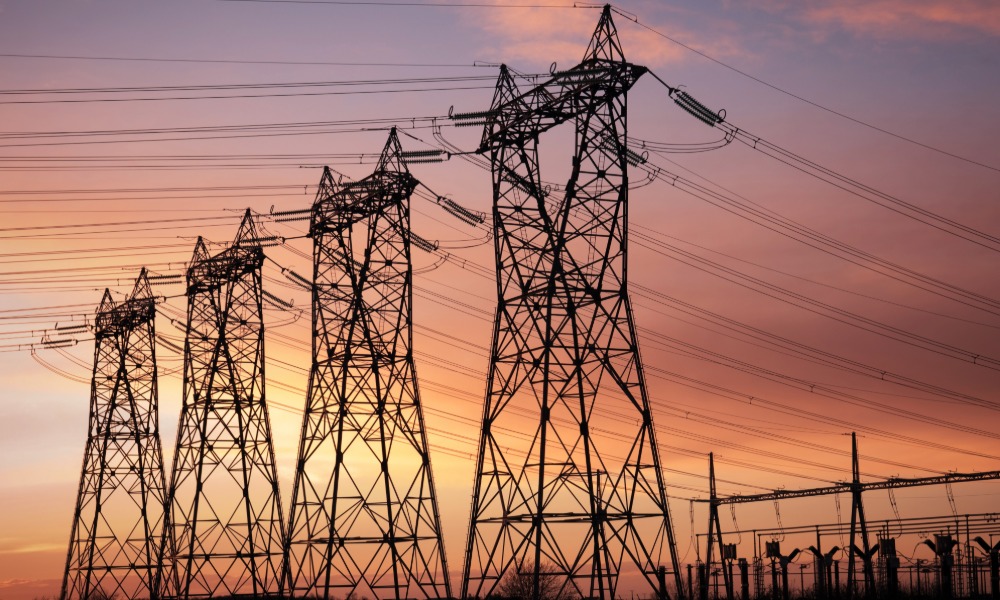
Every connected device and household relies on dependable utility systems every single day. Power interruptions create more than temporary inconvenience because they disrupt essential services.
Communities expect infrastructure to perform during extreme weather, growing demand, and changing environmental conditions. Resilient utilities matter more than ever to help meet those expectations while keeping modern life running with fewer interruptions.
What Makes a Utility System Resilient?
A resilient utility system adapts quickly when unexpected challenges appear. Smart technology allows operators to identify issues faster and restore service with greater precision. Utility companies continue investing in stronger infrastructure that withstands severe conditions without sacrificing efficiency. Engineers evaluate materials, equipment, and design standards before beginning major projects.
Those evaluations often include construction requirements for power line poles because dependable support structures strengthen the entire electrical network. Careful planning creates systems that perform well under pressure while reducing long-term maintenance costs.
Why Strong Utilities Benefit Everyone
Reliable utilities support economic growth by giving businesses confidence to expand and invest. Hospitals, schools, and emergency responders also depend on uninterrupted access to electricity and communication networks. Families appreciate fewer disruptions during storms or unexpected equipment failures. Stable infrastructure creates a stronger foundation for every community.
Consumers also notice benefits beyond keeping the lights on. Efficient utility systems often reduce wasted energy and improve overall service quality. Modern infrastructure supports electric vehicles, renewable energy, and expanding digital technologies without overwhelming existing networks. Strong utility systems prepare communities for future innovation instead of reacting to constant emergencies.
Smart Investments Create Long-Term Value
Building resilient infrastructure requires careful planning and consistent investment rather than quick fixes. Utility providers evaluate risks before replacing aging equipment or expanding service areas. Every upgrade strengthens the overall network while improving long-term reliability. Strategic improvements often cost less than repeated emergency repairs.
Communities also play an important role by supporting infrastructure modernization projects. Public awareness encourages stronger planning and realistic expectations during major improvements. Technology continues to evolve, but resilient systems remain the foundation that enables those advancements to succeed. Investing today helps prevent larger challenges tomorrow.
Practical Ways Utilities Improve Resilience
Modern utility providers strengthen their systems through practical improvements that deliver lasting results.
- Install smart sensors that monitor equipment around the clock.
- Replace aging infrastructure before failures become widespread.
- Improve communication between field crews and control centers.
- Strengthen equipment to handle severe weather conditions.
- Use predictive analytics to schedule maintenance more effectively.
Building Utilities for the Future
Reliable utilities rarely receive much attention when everything works correctly. People simply expect power, communication, and essential services to remain available every day. Resilient infrastructure matters for communities to stay connected while supporting future technological growth. That dependable performance deserves far more appreciation than another viral video featuring someone charging five devices from one outlet.
About The Author

Got a Questions?
Find us on Socials or Contact us and we’ll get back to you as soon as possible.