



Public spaces influence how people experience a city long before they step inside a building. Whether someone is walking through a civic plaza, gathering in a neighborhood square, or approaching a business district, design choices that make public spaces more welcoming encourage visitors to slow down and engage with their surroundings instead of simply passing through.
Successful public design rarely depends on one standout feature. Designers create spaces that feel inviting by considering how people naturally move, where they pause, and how the environment changes throughout the day, allowing every element to contribute to a comfortable experience.
Designing Around Human Behavior
The most successful public spaces begin with an understanding of how people use them because everyday experiences reveal far more about a space than design plans alone. Wide walkways reduce unnecessary congestion because pedestrians can move comfortably without feeling confined, while gentle curves and clearly defined routes encourage exploration instead of forcing people through a rigid path.
People naturally gravitate toward places that feel easy to understand, so each transition should feel deliberate and guide visitors through the space without creating uncertainty. When movement feels effortless, visitors spend less attention figuring out where to go and more time appreciating the space itself.
Why Lighting Influences More Than Visibility
Natural light gives public spaces one personality during the day, yet evening brings an entirely different set of design challenges. A well-planned lighting strategy creates an environment where people feel comfortable remaining outdoors after sunset without making the space feel harsh or overly illuminated.
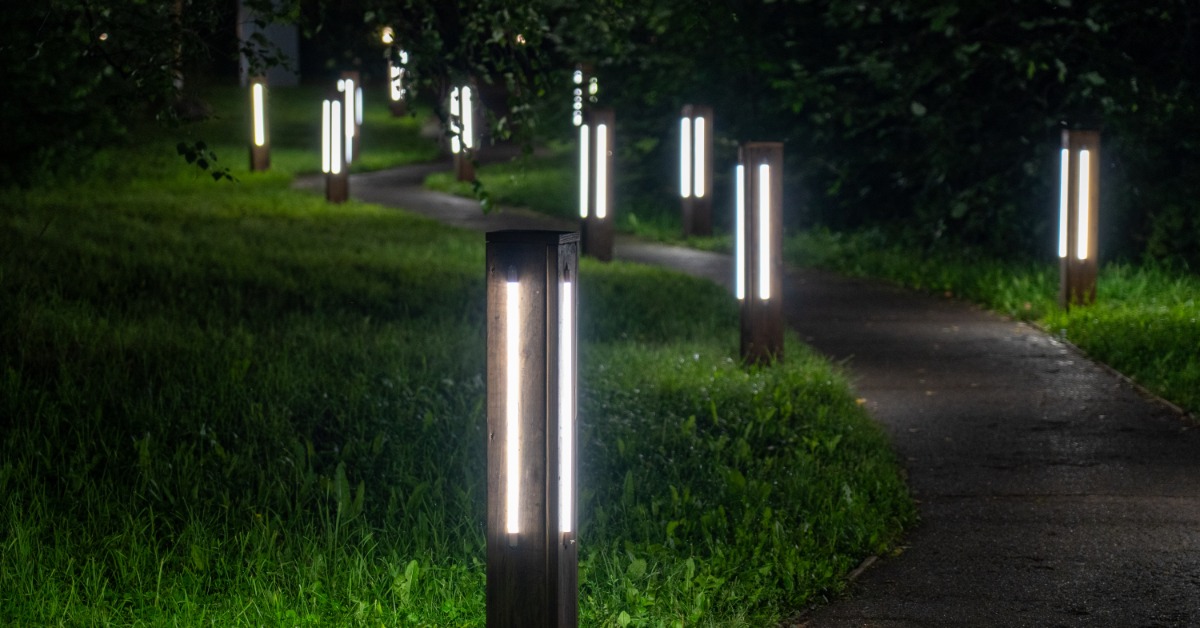
Ground-level lighting contributes to that balance because it defines pedestrian routes while preserving the surrounding atmosphere. Many designers incorporate LED bollards for commercial spaces where people regularly walk, since those fixtures establish visual guidance without competing with nearby architecture or landscaping. The result feels intentional instead of distracting, allowing visitors to navigate naturally while the surrounding design remains the focal point.
Cohesive Design Creates Better Experiences
People may not consciously notice consistent materials or coordinated site furnishings, yet they quickly recognize when a space feels disconnected. A public area becomes more comfortable when paving materials and architectural features reflect a shared design language, while the surrounding landscape reinforces that vision with a cohesive appearance.
Maintenance carries equal weight because thoughtful design cannot overcome neglected surroundings. Surfaces that remain clean, landscaping that receives regular care, and lighting that continues functioning as intended to reinforce the impression that a public space deserves attention, encouraging visitors to treat it with the same level of respect.
Spaces That Invite People To Stay
Communities benefit when public spaces become destinations instead of shortcuts, which explains why design choices that make public spaces more welcoming continue shaping modern development. Attractive architecture may capture attention for a moment, but thoughtful planning creates an environment where people feel comfortable lingering, meeting friends, or simply enjoying the setting, leaving a stronger impression long after they leave.
About The Author

Got a Questions?
Find us on Socials or Contact us and we’ll get back to you as soon as possible.